Mutura Estate AA
Elegant florals with Riesling-like acidity and jammy sweetness. Pineapple, black currant and brown sugar.
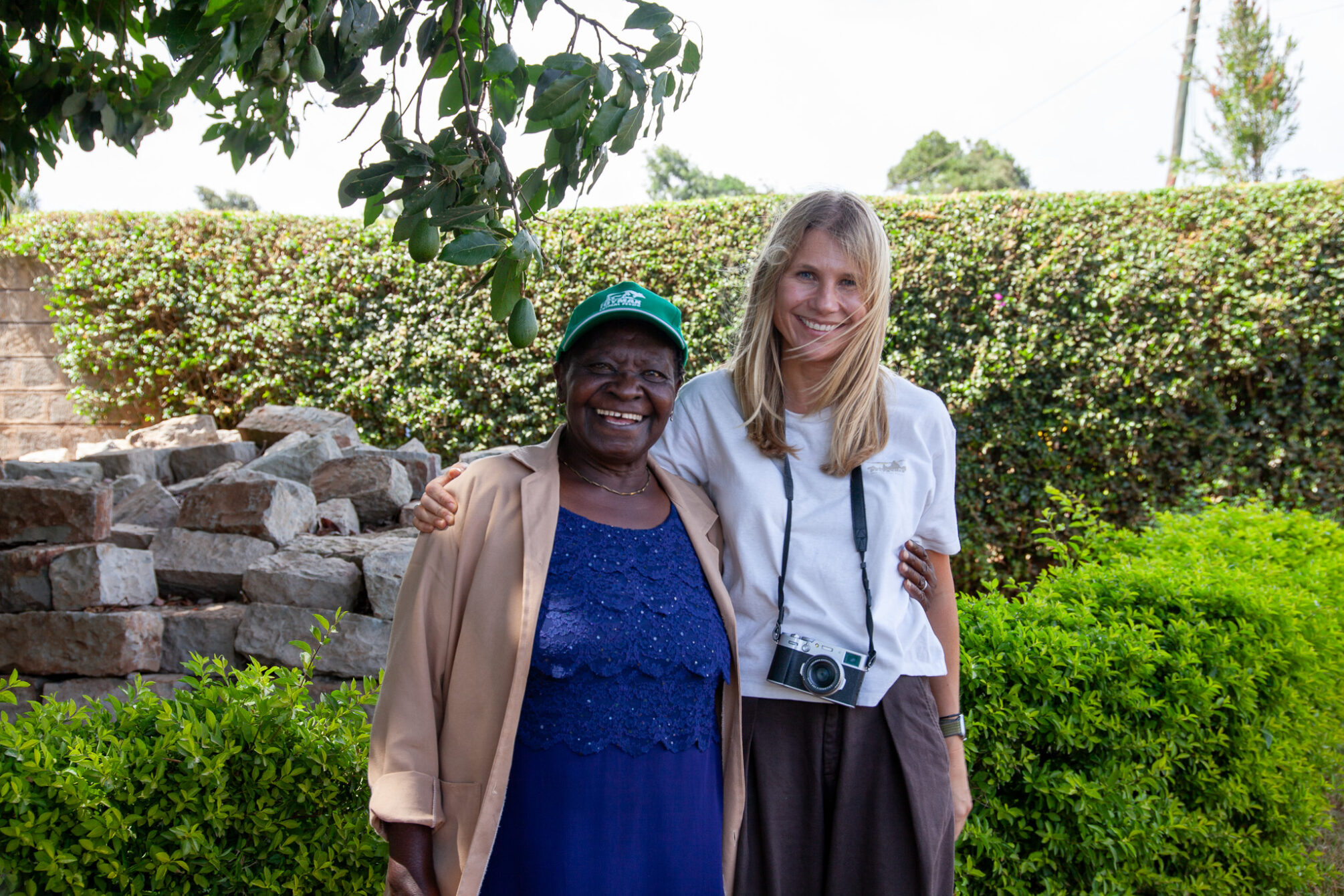
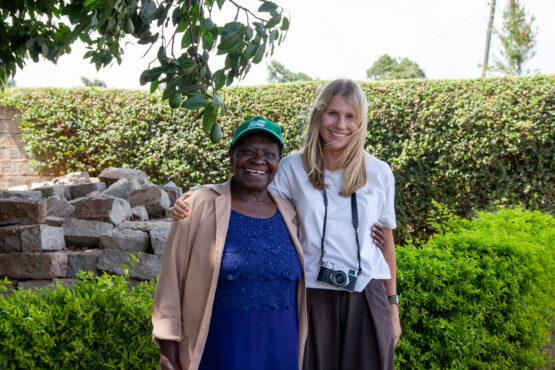
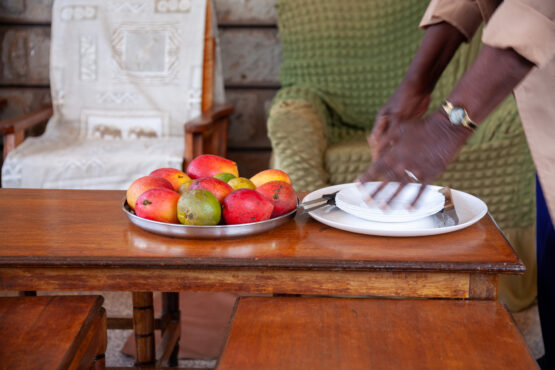
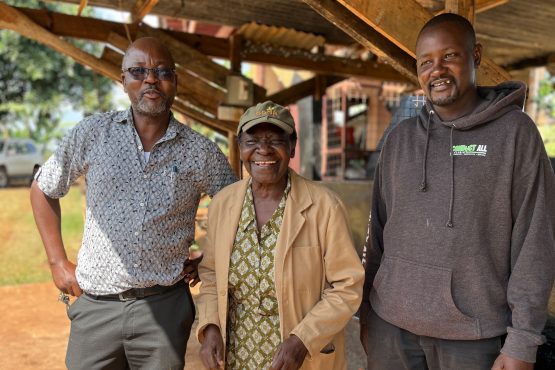
Beautiful Mutura is a small estate owned by Jane Njeri Njiru (pictured above). With over three decades of coffee-growing experience under her belt, Jane leads operations with infectious positivity and gusto, because as she told us on a recent visit, “farming coffee is my passion!” She may be over 70, but Jane is full of energy; whenever we have visited Mutura she bounds around the farm, laughing, talking and telling us stories — always greeting us with warm, big hugs and mangoes on arrival.
Jane and her husband first purchased the property in 1990 and named it Mutura, in honour of her husband, who has since passed. Located in Embu County, the farm sits at 1,550 meters above sea level in the foothills of the extinct volcano, Mt. Kenya, nearby the Rupingazi river (which provides the estate with water for processing). Inititally, the land already had coffee planted: 80% of the trees were made up of SL28 and SL34, varieties that are commonly found in central Kenya, and are known for their high-quality flavour profile; while the remaining 20% were made up of Ruiru 11, a hybrid that is highly resistant to disease and pests, and has been backcrossed with SL28 and SL34 to achieve a high cup quality. Intent on making Mutura estate a success, Jane has continued to expand her plantation and today tends to some 6,000 coffee trees across six hectares.
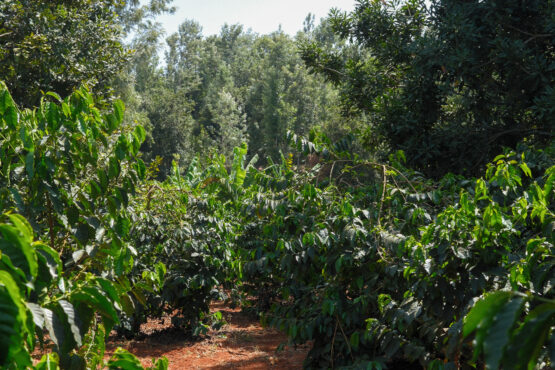
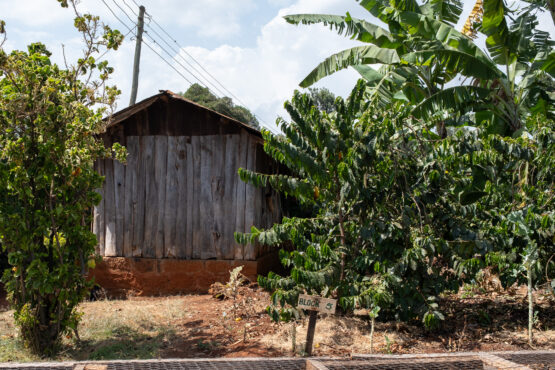
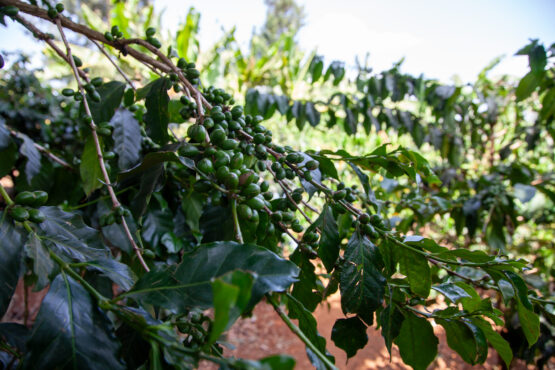
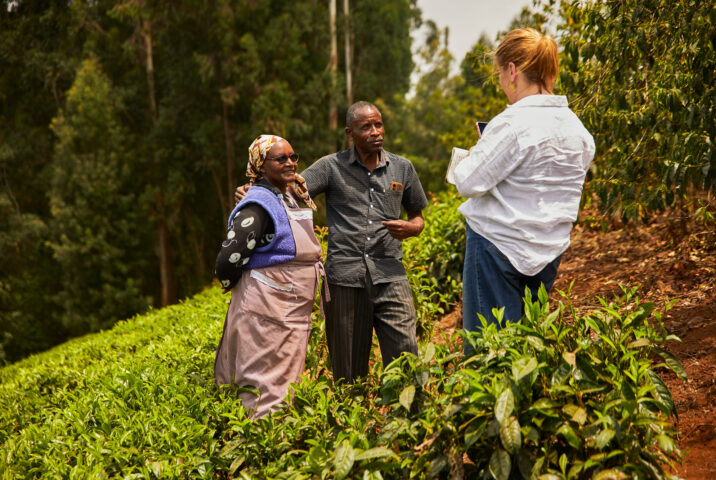
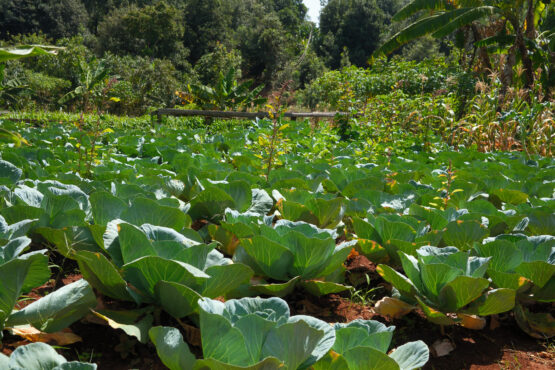
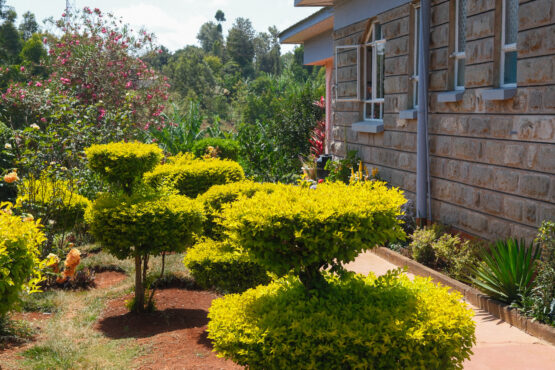
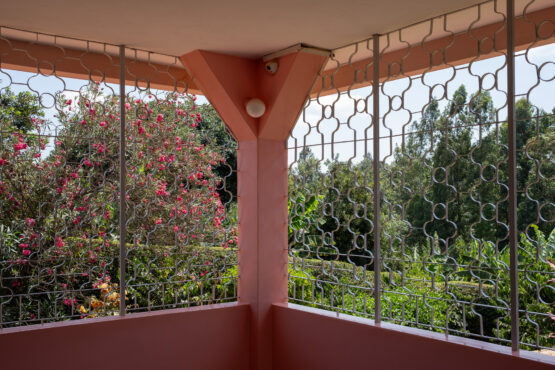
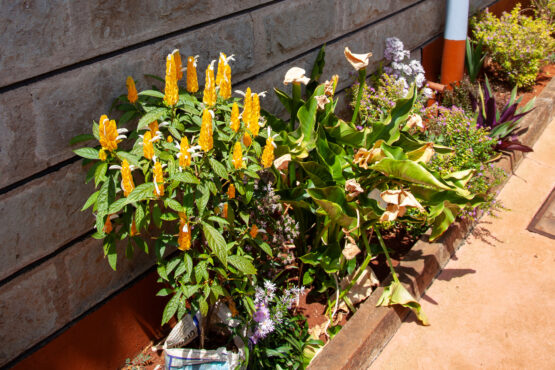
Sine 2024, Jane has enlisted the help of Ernest Mathugu (whose mother Cecilia owns Faith Estate) to manage the farm. Both estates have a similar ethos and Ernest has implemented many of the practices he learned when growing up at Faith. Walking through Mutura, it’s evident how much love has been poured into the estate — trees are healthy and well-manicured, the garden is filled with flowers, fruit trees and ornamental plants, and the homestead is beautiful inside and out. Jane and Ernest’s great care and determination on the field translate to very special coffees, and we’ve been thrilled to purchase her entire production for a second year in a row.
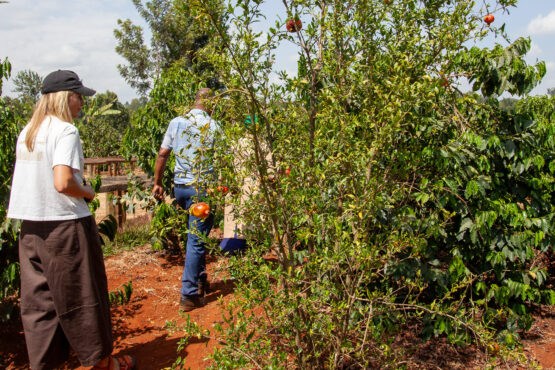
Like many of her neighbours, Jane has struggled with the effects of climate change in recent years, as they have led to an increase in Coffee Leaf Rust (a fungal infection) and Coffee Berry Disease (a bacterial infection). On a recent visit, Ernest explained that they were in the process of implementing a stricter pruning regime to improve this. Because Embu is rich in rainfall, Mutura does not require irrigation during the growing season; yet the excessive cloud cover and humidity can also affect the health of their coffee trees. By pruning and ‘opening up’ Mutura’s coffee trees, Ernest and Jane have increased their exposure to sunlight, which helps with the control of disease and pests. Great attention is also paid to the health of property’s soil, as trimmed branches are used to increase ground cover and manure is used as fertiliser.
Jane has been processing her coffee since the very early days of the farm, as she established a small wet mill (or factory, as they are called in Kenya) in 1990, the year she acquired the land. This facility enables her to process and dry the crop onsite, rather than selling fresh, whole cherry to the local Farmers’ Cooperative Society. By taking control of every step of production directly – from farming, to harvesting, processing, drying and sale – Jane ensures the full potential of her crop is achieved in terms of quality and sale price. The resulting coffee lots reflect the her expertise in managing every single variable that influences quality.
Choosing to process the coffee independently is not easy—or cheap. Managing processing on such a small scale required a significant initial investment in infrastructure, equipment and staff. It is also far costlier to mill and market small volume lots than large day lots. This investment has paid off, however, as Mutura now produces some exceptionally high-quality lots which can fetch higher prices at the point of sale.
Since the Kenyan government’s coffee trade reforms of 2023, we have been sourcing Jane’s coffee directly, with the help of Wycliffe Murwayi as the Direct Sales Agent. To secure direct sales, Jane has opened a USD account and is now responsible for producing the required documentation for export. The benefits of the direct model are higher profits, as the buyer (in this case, MCM) must offer competitive pricing to secure the coffee, and a faster turnaround time between the sale and the grower receiving their payments. Direct sales also support a more meaningful and values-led relationship between the growers and their buyers and have become more widespread as the coffee sector adapts to the reforms.
ABOUT EMBU
Embu County is part of Kenya’s former Eastern Province, which was dissolved in 2013. Embu borders Kirinyaga to the west, along with the country’s central coffee-growing regions. Embu is the traditional home of the Embu, Kamba and Mbeere people. The region has a long and proud history of agriculture and cattle-raising; it is farmed intensively, with coffee, tea and dairy being the most important modern crops in Embu’s more humid areas. In the county’s drier terrain, beekeeping and goat rearing are also common.
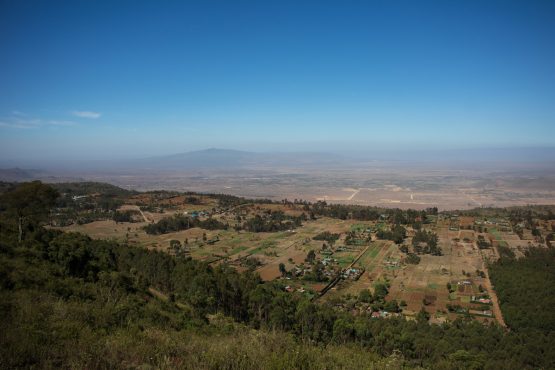
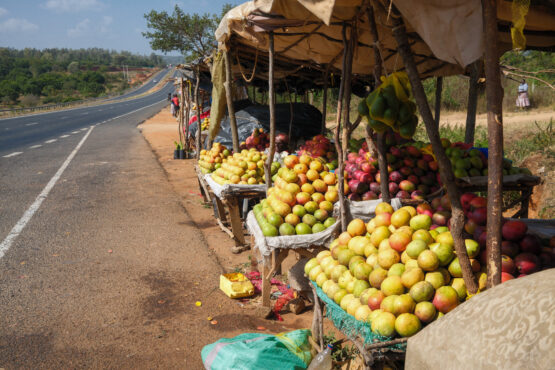
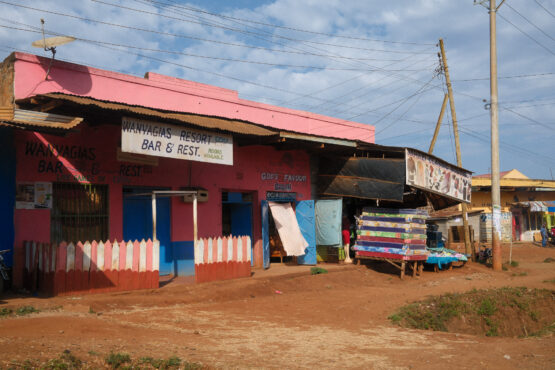
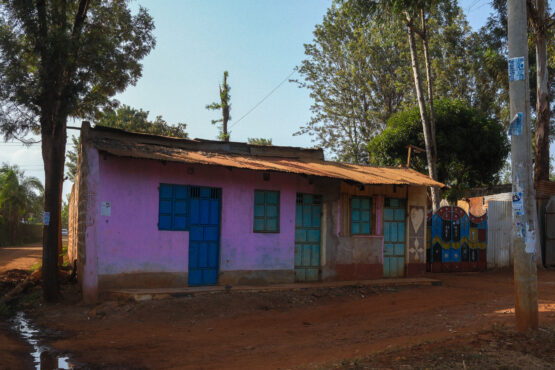
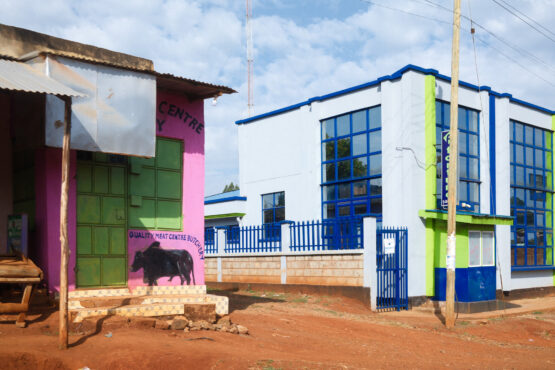
Kenya’s central highlands are considered some of the wealthiest areas of the country, due to the incredibly fertile land, geographical proximity to the capital, Nairobi, and close integration with the country’s colonial administration before Kenya gained independence. This integration afforded some of the communities who lived here with opportunities for education, business and political prowess, even if most smallholders still had to endure the various injustices and limitations placed by the colonial government. That’s why independent estate owners who are able to process and sell their own crop are incredibly proud of their work, as it affords them access to markets and opportunities that have been historically difficult to reach.
GRADING
Kenya uses a grading system for all its exportable coffee lots. The grading system is based on the size and assumed quality of the bean. A coffee’s grade is directly correlated with the price it attracts at auction or through direct trade.
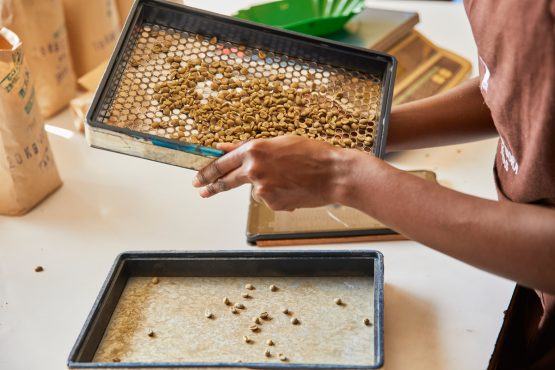
This micro-lot is graded as an AA. This grade is easily defined by size (in this case, AA means that the beans are screen size 18 and above) and to a certain extent, quality. While it is assumed that AA lots represent the highest quality, we have often found AB and peaberry lots to be just as good.
HOW THIS LOT WAS PROCESSED
The coffee was carefully handpicked by the estate’s seasonal employees, under Ernest’s direction. During the peak of the harvest, cherries were carefully picked, to ensure only the ripest were selected. After sorting, the coffee was pulped in the late afternoon of the day it was picked, using a single-disc pulping machine, which removes the skin and mucilage (sticky fruit covering) from the inner parchment layer that protects the green coffee bean.
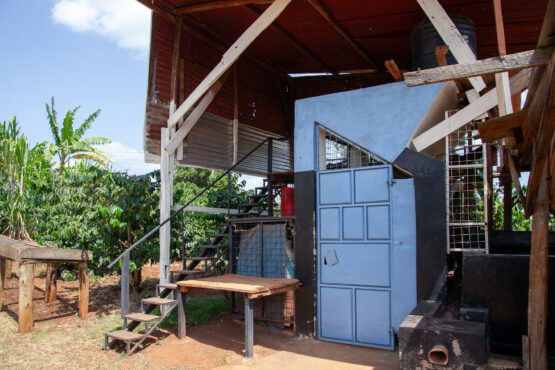
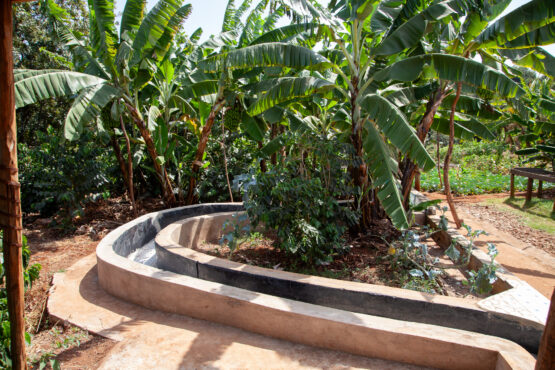
The parchment was then dry fermented overnight, to break down the sugars and remove the remaining mucilage from the outside of the beans. The following morning, parchment-covered coffee was washed with fresh water sourced from the Rupingazi River, and sent through water channels for grading by weight. The heavier coffee, which sinks, is considered the higher quality, sweeter coffee, and any lighter density or lower grade coffee beans are removed.
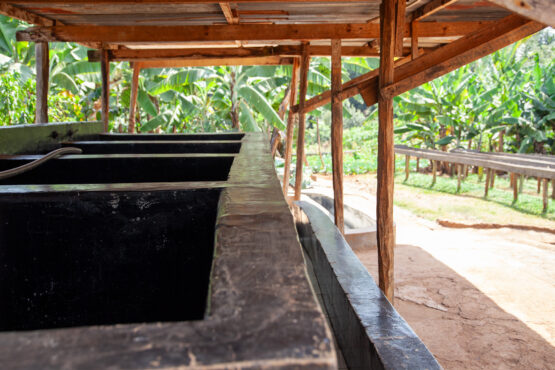
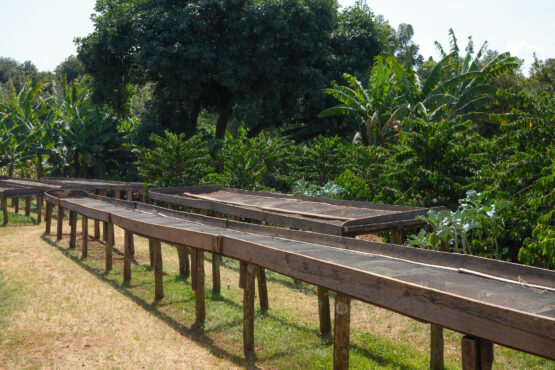
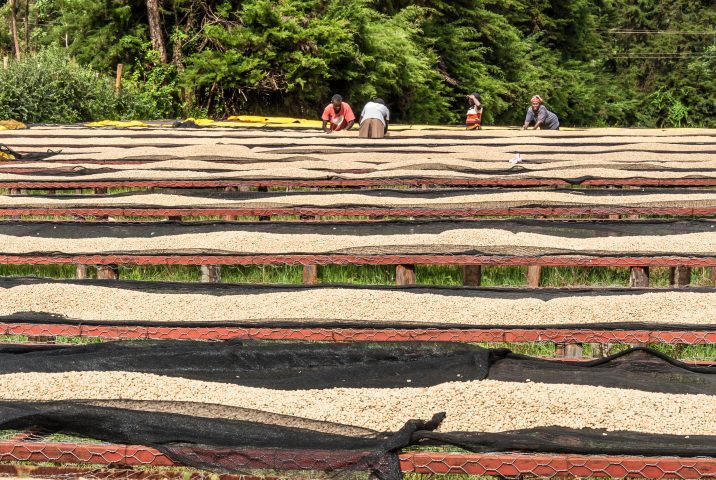
The beans were then sent to soaking tanks where they sat underwater for a further 24 hours. After this second round of fermentation, beans were washed again and transferred to raised drying tables. During the drying stage, which takes up to three weeks, the drying parchment was turned constantly to ensure it is dried evenly, until it reached 11–12% humidity.
WHAT’S IN A NAME?
Jane’s last name Njeri speaks to her indomitable spirit, as it translates to ‘warrior,’ or in her own words, “someone who loves people;” while in the local Embu language it means buffalo.