El Camino
Orange, red apple and roasted hazelnut. Rich, creamy mouthfeel with lingering cocoa.
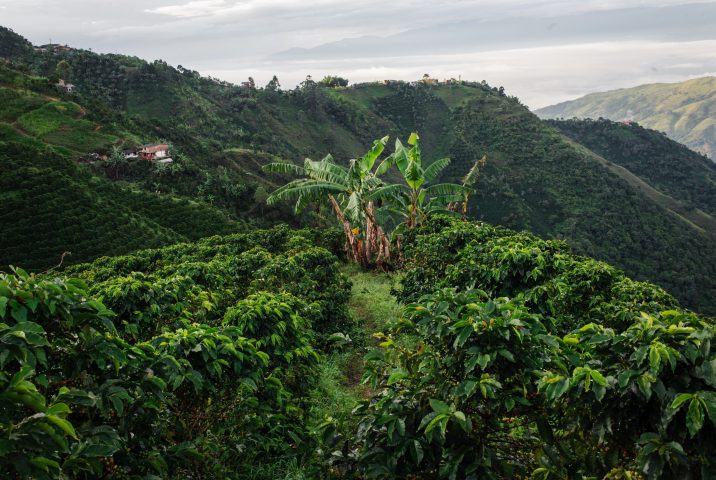
El Camino is a special combined lot from two of our favourite regions in Colombia:Tolima and Antioquia, and selected by cup quality and profile. This coffee was produced by 21 smallholder producers who are part of longtime supply partner Pergamino’s Allied Producer Program. Each one of them delivers parchment to their collection points in the municipalities of Ibagué, Tolima; Urrao, Antioquia; and neighbouring municipalities Santa Bárbara and Montebello, also in Antioquia.
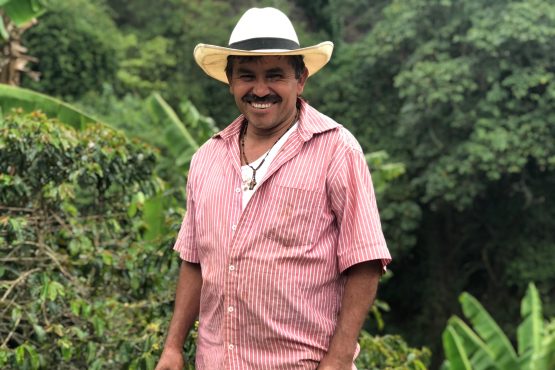
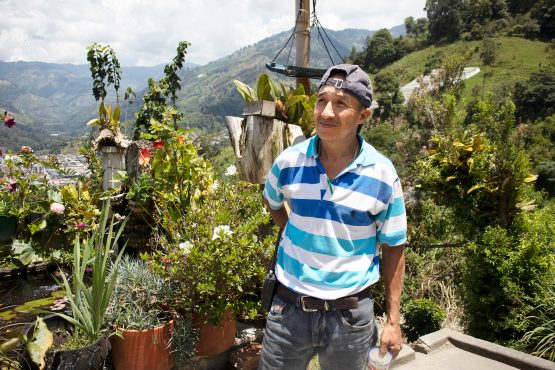
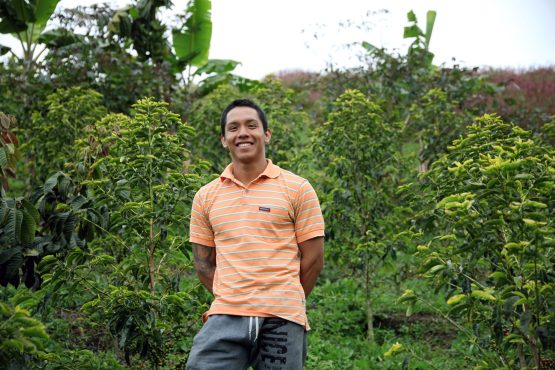
Coffee from Cauca, Tolima and Antioquia has historically been very difficult to access due to their isolation and instability. For many years these parts of Colombia were under the control of Colombia’s notorious rebel group, the FARC, and as a result, it was unsafe and violent. Since 2012, safe access to this region has been possible as a result of peace talks between the national government and the rebels. Thanks to these efforts, more and more stunning coffees from small producers in the region have become accessible to international buyers.
Our partners at Pergamino have done much to promote the commercialisation of specialty coffee in these three regions. Their goal in these regions is to source and support coffee producers in areas where there is a high potential for quality, but limited access to international specialty buyers. To achieve this, they established the Allied Producer Program in 2013, connecting smallholder farmers to buyers who are willing to pay high premiums for great coffee. Not only has the program incentivised quality, but it has also improved the livelihood of the regions’ many coffee-producing communities.
Read more about Pergamino’s work in Colombia here.
ABOUT IBAGUÉ, TOLIMA
This lot also contains coffee from farms that are situated near the towns of China Alta, Santa Isabel and Cajamarca, which are close to the municipality of Ibagué in the Colombian state of Tolima. These villages are located on steep mountains to the north-east of Ibagué, which creep up fast, going from 1,300 meters above sea level to 2,000 meters in a matter of 30-40 kms. Due to the steep terrain and bumpy back road that is required to get there, they take around three hours to access via car.
The farms that contributed to this lot are small – around two hectares in size – and are located at 1,850m above sea level. They farm traditionally, and grow a mix of Caturra and Colombia coffee varieties. Fertilisation occurs around three times a year, usually after manual weeding, and pesticides are rarely used. The coffee is selectively hand harvested, with most labour being provided by the farmers and their families.
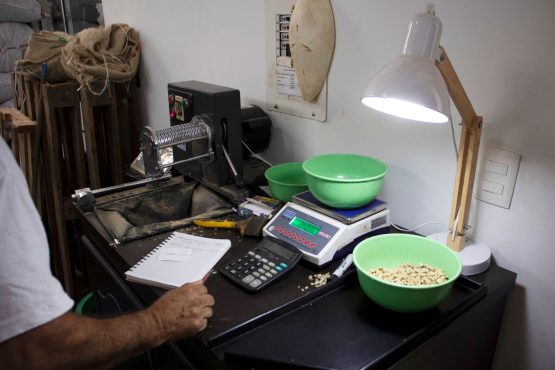
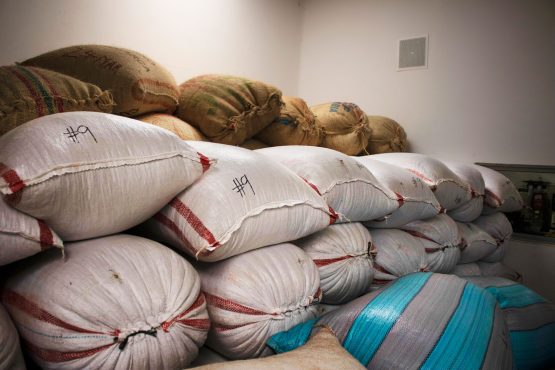
Central Ibagué serves as the capital of Tolima, and it is the political, commercial and cultural epicentre for the state. Because the city is easily accessible and well-connected, Pergamino have established a warehouse and collection point for producers to deliver their parchment. Led by Gonzalo Pérez, the facilities include a physical assessment lab, where green parchment is assessed and quality is recorded, a cupping space, and ample storage.
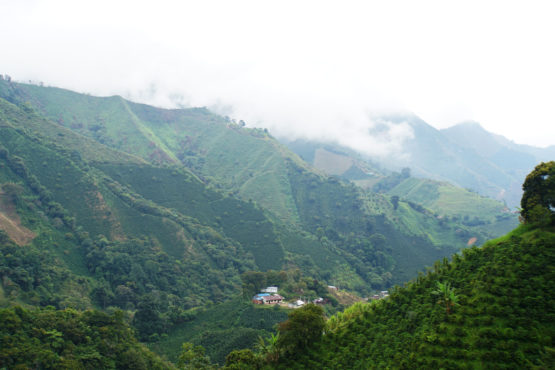
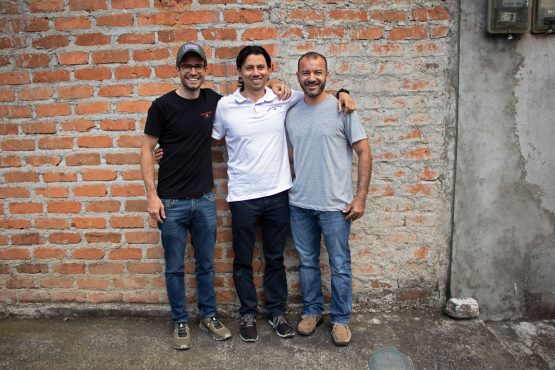
The region surrounding Ibagué is the traditional home of the Pijao people, a loose federation of indigenous communities who shared a similar language and culture. Beyond Tolima, the Pijao territory once spread all the way to the departments of Huila in the south and Quindio in the west. Because the Pijao had such an extensive realm of influence, their cultural heritage is still visible throughout various small towns across Colombia every June 21st, when many gather on the streets to celebrate the ‘Pijao New Year.’
ABOUT URRAO, ANTIOQUIA
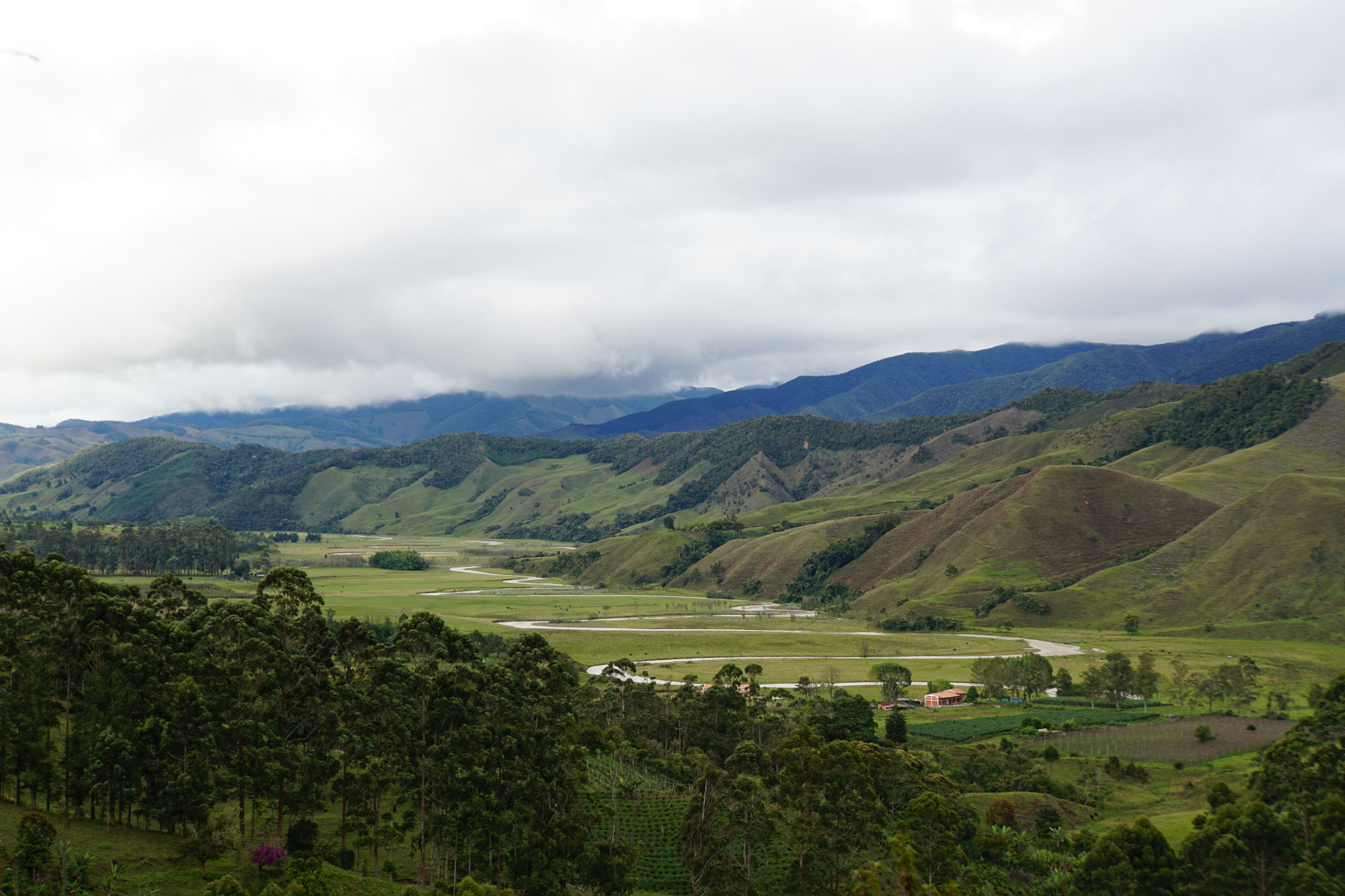
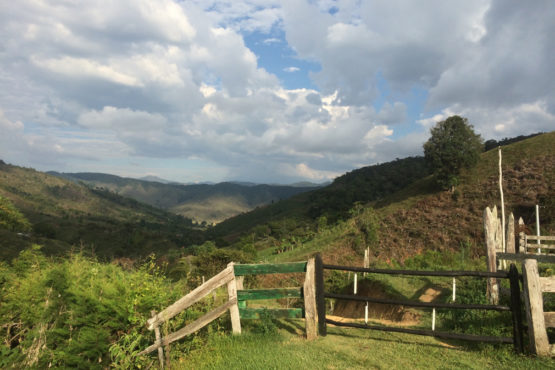
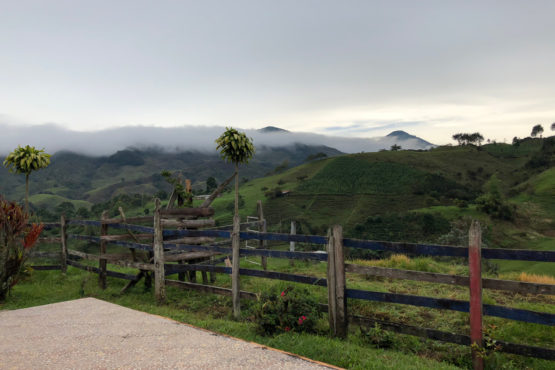
Urrao is a unique and special coffee-growing region, located in the valley of River Penderisco, at around 1,900m above sea level. Unlike other producing regions in Colombia, which are characterised by deep canyons and massive, rugged mountains, Urrao is covered in rolling green hills, calm pastures and beautiful rivers that snake through the landscape. This geography guarantees cool temperatures year-round, typically only reaching between 12-25 degrees. This cool climate is ideal for the slow ripening of coffee cherries, leading to denser beans and a sweeter, more complex cup profile.
Until recently, Urrao was overlooked as a coffee-producing region and dismissed by many as being too cold for good production. There is still very little coffee produced in the area, despite it being some of the most fertile land in Antioquia. Many farmers complement the income they make from coffee by growing Lulo, a type of passionfruit that tastes similar to a kiwi fruit and that is incredibly popular in Colombia. Coffee grown in Urrao is slowly becoming recognised and sought after for its high-quality and complexity. Farms in Urrao are very small – averaging less than two hectares – and are traditionally farmed. Fertilisation occurs around three times a year, usually after manual weeding, and pesticides are rarely used. The coffee is selectively hand-harvested, with most labour being provided by the farmers and their families.
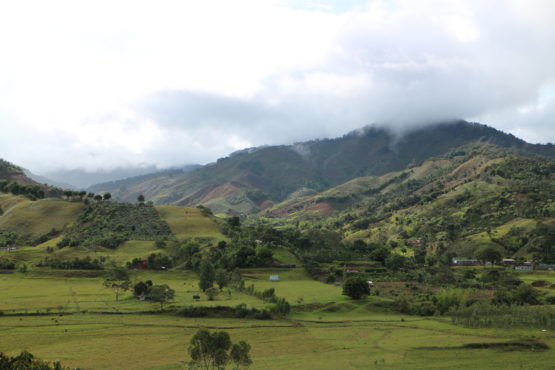
Urrao is the traditional home of the Catío/Katío culture, which was shared throughout several communities across Antioquia. The region’s first inhabitants, the Catío, did not survive the Spanish invasion of Colombia, though their two most famous caciques (monarchs), Toné and Nutibara, are still celebrated with monuments and yearly festivities in Urrao. In the decades that followed the conquest of Catío territory, groups of Embará people (a different indigenous nation who migrated from the Caribbean) settled in the region, and came to be known as Emberá Catío/Katío. Like many of Colombia’s indigenous people, the Emberá Catío are spearheading the fight for recognition of traditional land rights and the protection of waterways, as their communities largely rely on fishing for sustenance.
ABOUT SANTA BÁRBARA AND MONTEBELLO
Locally, Santa Bárbara is known as the “Balcony of Beautiful Landscapes,” because its hilly topography creates multiple vantage points from which to enjoy the stunning view. Similarly, neighbouring municipality Montebello translates to “beautiful hill.” As their first time offering coffee from these two micro-regions, it is the result of export partner Pergamino Coffee’s commitment to building and investing in new supply relationships in their home state of Antioquia.
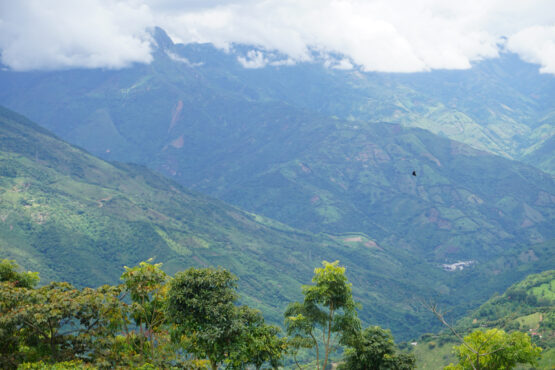
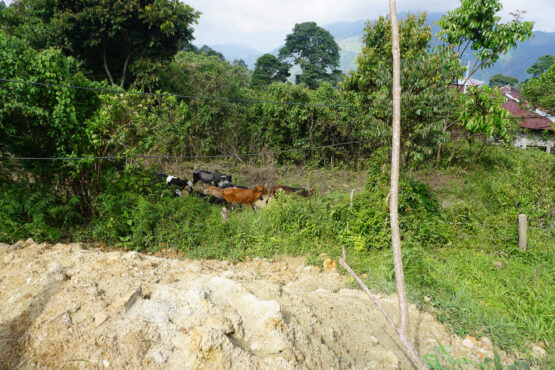
Like most regions in Antioquia’s southwest, Santa Bárbara and Montebello have a long history of coffee production, after the crop was first introduced in the late 19th century. Back then, the region was home to very productive gold and silver mines, and the families that owned them were able to buy large properties that were then used for agriculture. Over time, as coffee’s price became more unpredictable and volatile, causing the crop’s profitability to plummet, these larger estates became less sustainable and had to be divided into smaller parcels of land and sold. That cycle repeated itself many times over, with most coffee farms now averaging between one to three hectares in size, like those of the producers who contributed to this coffee. Most of their crop has historically gone to the commercial market, as this highly productive region of Antioquia is part of Colombia’s Eje Cafetero (coffee axis). Because of its unique topography and climate, Santa Bárbara experiences two harvests, with its main one running from September to December.
Santa Bárbara is also were Pergamino founders the Echavarría family began their journey with coffee, as it’s where their Lomaverde Estate was first established in the 1970s. Through decades of developing their farm and exploring the region’s soils and climate, the Echavarrías became convinced other producers had similar potential to grow and process specialty-grade coffee. For years, they had sought ways to connect with Santa Bárbara and Montebello’s coffee-growing communities, without much success. As Pedro explained on a recent call, “We always try to find people who can help us with logistics and warehousing. We prefer to work with established operators in town who already know local producers and who have already established a buying relationship with them and earned their trust; starting from scratch is very hard.” Because the region is home to many commercial coffee growers, competition amongst traders and buyers can be fierce, giving producers many avenues for selling their coffee — and buyers new to the market have a hard time breaking ground.
Because their strategy has worked in nearby Urrao, and further afield in El Bombo, Huila and San Antonio, Cauca, Pergamino set out to find a local co-op to partner with, eventually starting conversations with Cooperative Agrícola Cardinal. “They’re very well-connected and have buying points in Santa Bárbara and Montebello,” Pedro told us. “They also have a lab, and even though it wasn’t designed to evaluate specialty-grade, we installed one of our sample roasters in and one of our cuppers spent the harvest with them, and we have been meeting regularly since. The project is just getting started, but we have high hopes for it.”
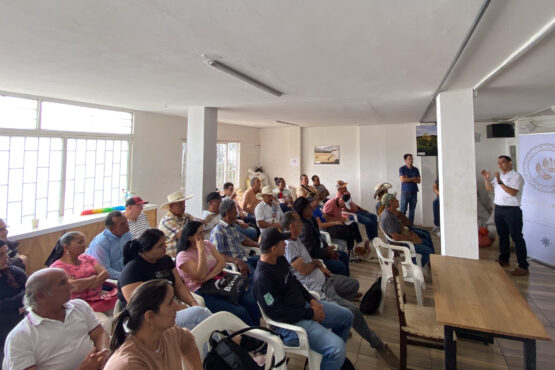
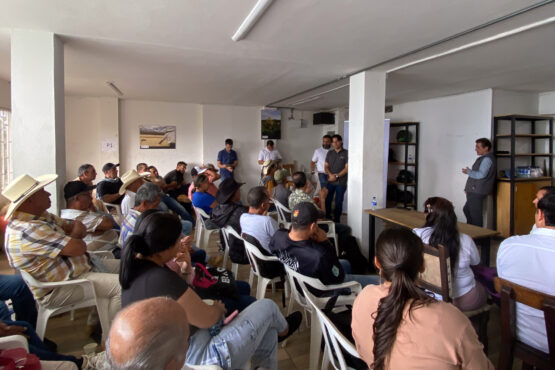
Like most Colombian coffee-growing regions, producers here tend to some older Caturra trees, as it was the most popular variety during the 1970s and 1980s when many farms were established throughout the country, along with pest-resistant hybrids Colombia and Castillo. Minimal chemical inputs are used, and most work is done manually by farmers and their families. Now that relationships with local producers have been established, Pergamino hope to use their knowledge to further elevate the quality of what they deliver. As Pedro put it, “We’re really happy with the coffees we are buying here. Our goal for the future is to use Lomaverde as a model farm to provide technical assistance, because it’d be easy for producers to attend. We want to host workshops were we can show everything we’ve learned about producing specialty-grade lots in Santa Bárbara. This project is really close to our hearts.”
HOW THIS COFFEE WAS PROCESSED
The coffees that make up this lot were processed at each farm’s ‘micro-beneficio’ (wet mill). After being pulped using a small manual or electric pulper, coffee was placed into a fermentation tank where it spent anywhere between 48 and 72 hours, depending on the weather. Because of the cooler climate in the towns surrounding each municipality, contributing producers tend to ferment their coffees for longer than usual, and some will often blend two days’ worth of pickings over the fermentation period. Coffee is then washed using cold, clean water.
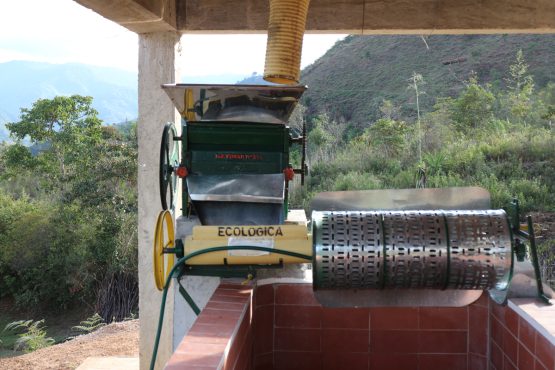
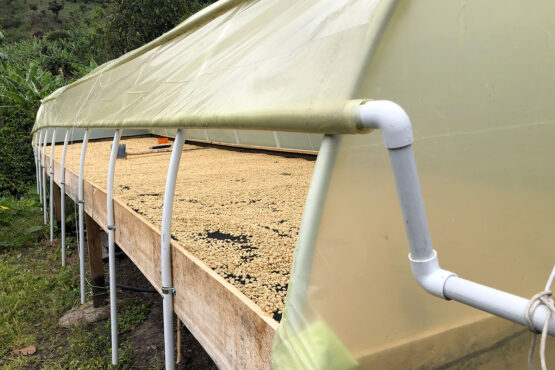
Once rinsed, the wet parchment was carefully dried (over 10–18 days) on a raised bed with plastic over the top which protects the coffee from the rain and prevent condensation dripping back onto the drying beans. This bed has adjustable walls to help with air flow, and temperature control to ensure the coffee can dry slowly and evenly.
After all parchment was fully dried to the optimal humidity, it was taken to Pergamino’s dry mill for assessment and storage.
WHAT’S IN A NAME
El Camino translates to “The Path” in Spanish. This name was chosen to represent the path forward for coffee production in Colombia, sourced and purchased through a more connected and sustainable model. Our goal with the El Camino line is to facilitate a close, transparent and ongoing relationship between Redbrick and Pergamino, that provides stability and security to all parties along its supply chain.