Kii AB
Vibrant and transparent with brown sugar sweetness. Apricot, orange and cola.
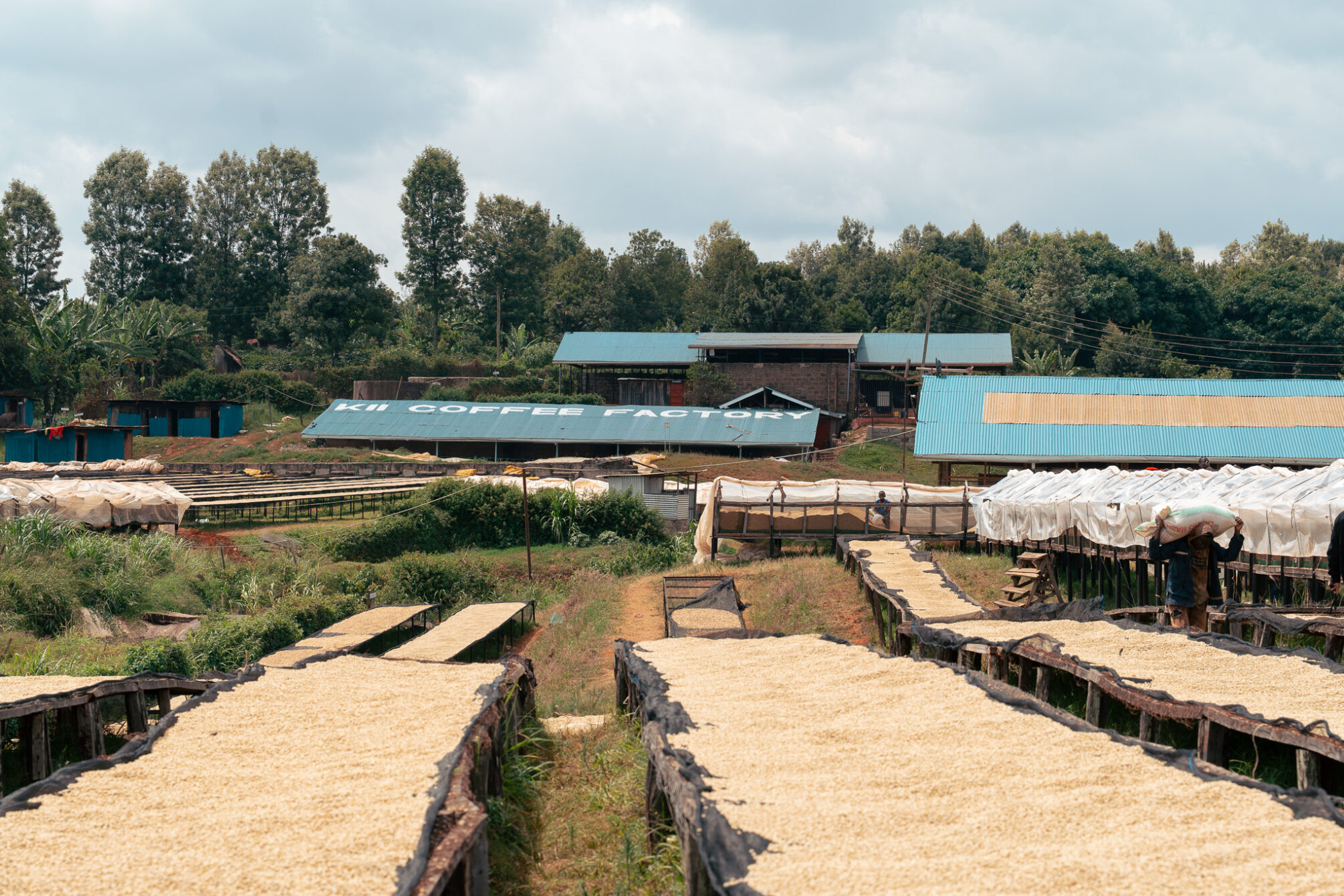
Kii is a washing station (or factory, as they are called in Kenya) located in the Ngariama Municipality of Kenya’s Kirinyaga County. The factory was first established in 1965 by the Ngariama Farmers’ Cooperative Society (FCS). In 1997, when the co-op closed down its operations, 1,150 of its members came together to form the Rungeto FCS, reopening their three factories in the process: Kii, Karimikui and Kiangoi. Today, the cooperative services approximately 7,800 members.
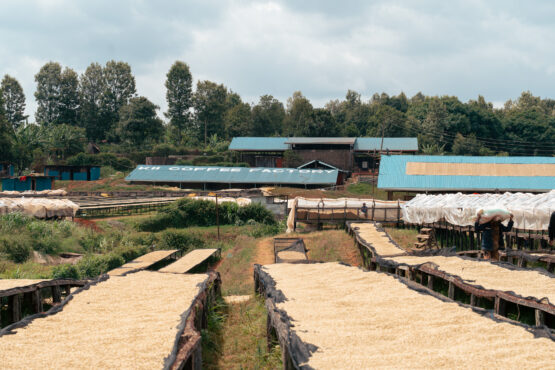
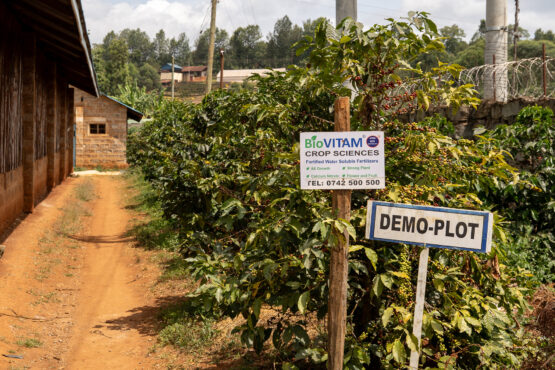
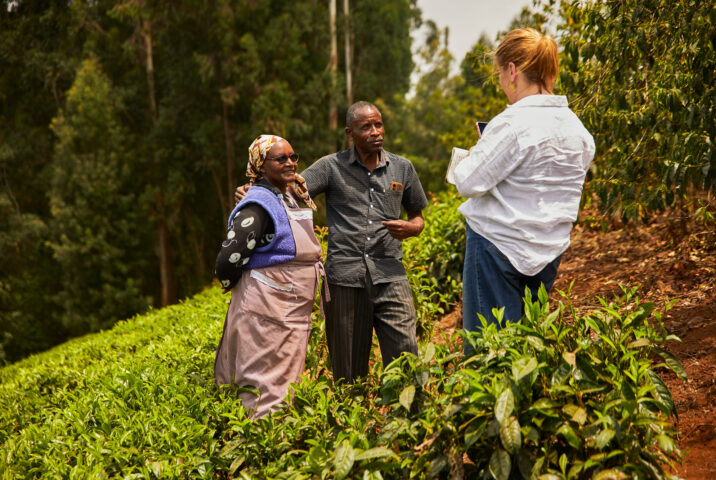
Kii factory is Rungeto’s busiest site, receiving coffee cherries from around 1,000 local farmers (out of 1,300 members). Their properties sit on the foothills of the extinct Mt. Kenya volcano at around 1,700m above sea level. Contributing farmers usually live near the factory, and often deliver by foot, bicycle or motorcycle. Many of Rungeto’s members also keep cattle, which provide milk and yoghurt to feed the family, produce excellent manure for the coffee farms, and create an opportunity for additional income, as the co-op also runs a dairy factory which supplies one of Kenya’s largest production companies.
The factory is named after the Kii River, which runs nearby. Not only is the waterway the factory’s main source of water for processing, it also acts as a border between Kirinyaga and Embu counties. While the factory is located in a fairly dense and urbanised sector of Kirinyaga, it’s a short drive north of the Njukiini/Njukiri Forest, a reserve made up of Eucalyptus, pine, cypress and indigenous trees that provides plenty of wood fire fuel for its surrounding towns and villages.
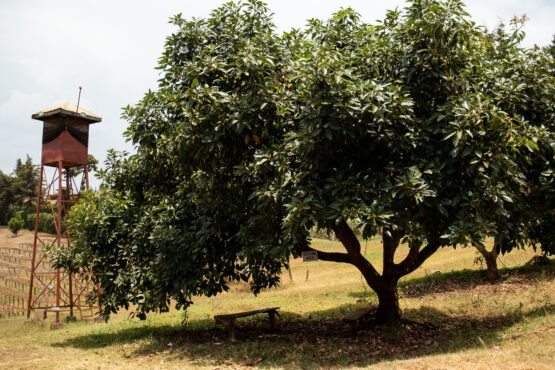
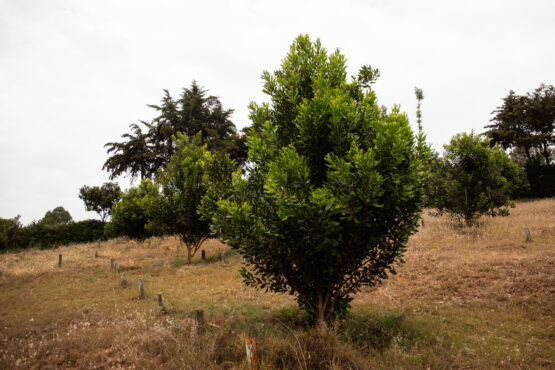
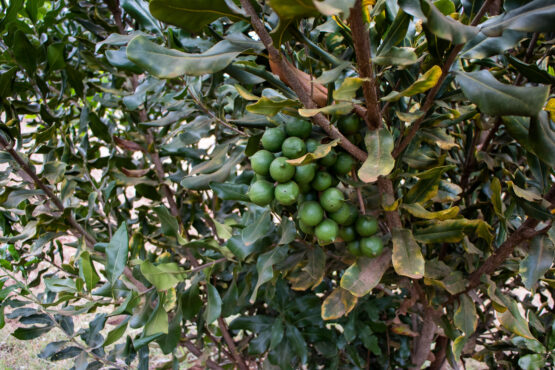
As part of their commitment to protecting this environment, Kii’s team has dug their waste water soak pits away from main rivers and streams. This is to ensure that the factory’s used water is allowed to slowly be absorbed by the soil, rather than by the local rivers and streams. To support their members, Rungeto FCS offers farm inputs on credit and cash advances to farmers as incentives. They also encourage farmers to plant shade trees on their farms, with macadamia trees being a preferred crop to plant amongst coffee.
ABOUT KIRINYAGA
Kirinyaga County is part of Kenya’s former Central Province, which was dissolved in 2013. The area includes Murang’a, Nyeri, Kirinyaga, Kiambu and Nyandarua Counties, and is traditionally the homeland of the Kikiyu people, who have a long and proud history of agriculture. Similar to Nyeri, Kirinyaga benefits from sitting on the southern slopes of Mt. Kenya, where the rivers flow and rain is plentiful. Because of this, the region is incredibly well-suited to tea and dairy production. Both enterprises generate a weekly income for farmers, with coffee being a supplemental annual cash payment which covers larger expenses like investment on the farm and school fees for children.
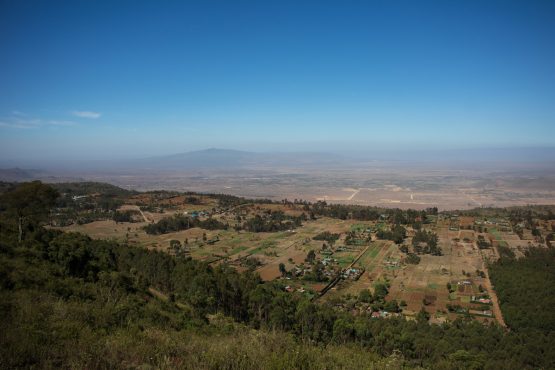
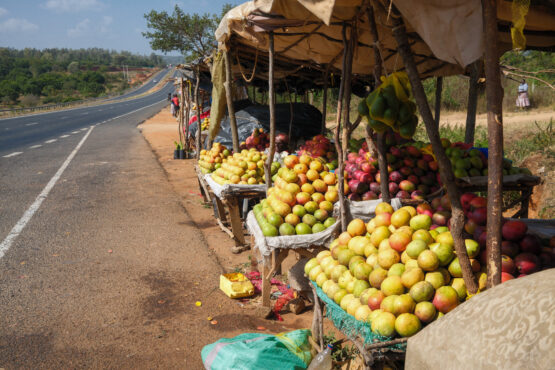
The central highlands of Kenya are considered to be one of the wealthiest areas of the country, due to the incredibly fertile land, geographical proximity to the capital, Nairobi, and close integration with the country’s colonial administration before Kenya gained independence in 1962. This integration afforded the communities of Central Kenya with opportunities for education, business and political prowess, despite the various injustices of the colonial government. Like Joseph, many of the producers in the region are second-generation landholders, whose parents would have purchased and planted the land in the 1950s and 1960s, after agricultural reform allowed for small Kenyan farmers to produce cash crops on their family farms (instead of only on large, British owned estates).
GRADING
Kenya uses a grading system for all its exportable coffee lots. The grading system is based on the size and assumed quality of the bean. A coffee’s grade is directly correlated with the price it attracts at auction or through direct trade.
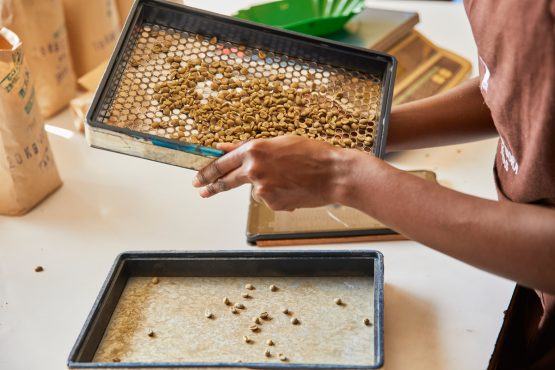
This coffee is AB grade. This grade is easily defined by size (in this case, AB means that the beans are screen size 15 and above) and to a certain extent, quality. While it is assumed that AA lots represent the highest quality, we have often found AB and PB lots to be as good, if not better.
HOW THIS LOT WAS PROCESSED
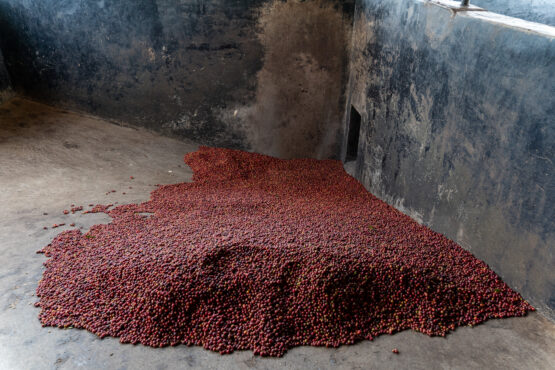
All the coffee cherry is hand-picked and delivered on the same day to the washing station, where it undergoes meticulous sorting. This is also done by hand and is overseen by a ‘cherry clerk’ who ensures any unripe and damaged cherries are removed. The ripe cherry is then digitally weighed and recorded, and the farmer receives a receipt of delivery.
The coffee is then placed in a receiving tank and pulped to remove the skin and mucilage (sticky fruit covering) from the inner parchment layer that protects the green coffee bean. After being pulped, the coffee is sorted by weight using water, with the highest quality and densest beans being separated out from the lighter, lower-quality beans.
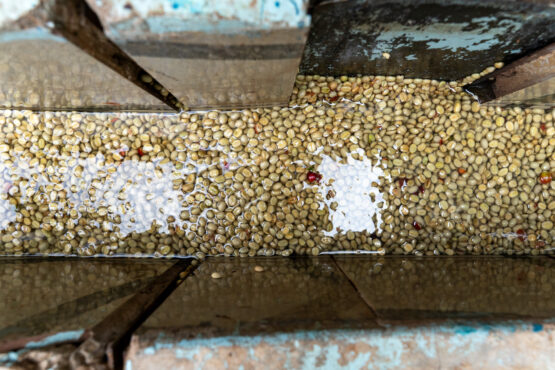
The coffee is then dry fermented for 20–24 hours, to break down the sugars and remove the remaining mucilage from the outside of the beans. Whilst the coffee is fermenting it is checked intermittently and when it is ready it is rinsed and removed from the tanks and placed in a washing channel.
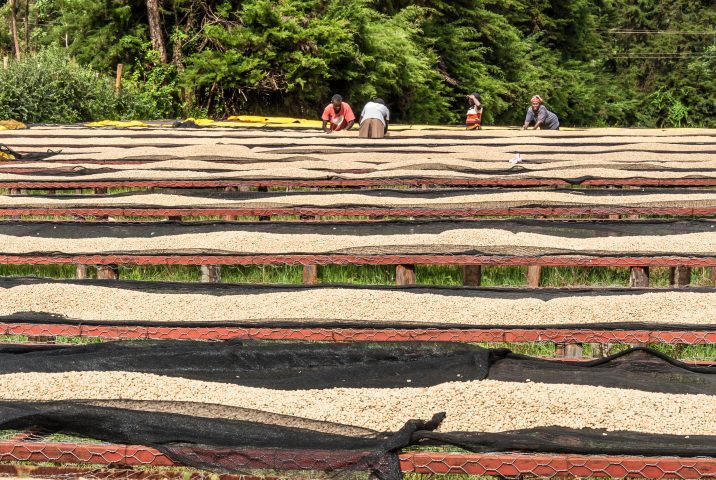
The parchment-covered coffee is then washed with fresh water from nearby streams and sent through water channels again for grading by weight. The beans are then sent to soaking tanks where they sit underwater for a further 24-48 hours. After soaking, the coffee is pumped onto deep drying beds where they drain for 1-2 hours, before being transferred to raised beds.
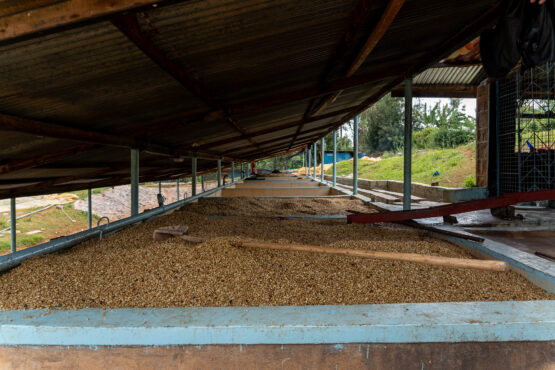
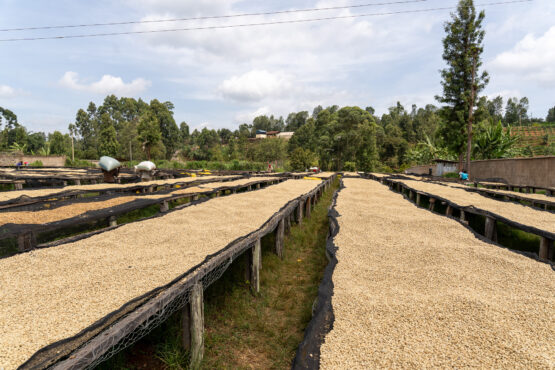
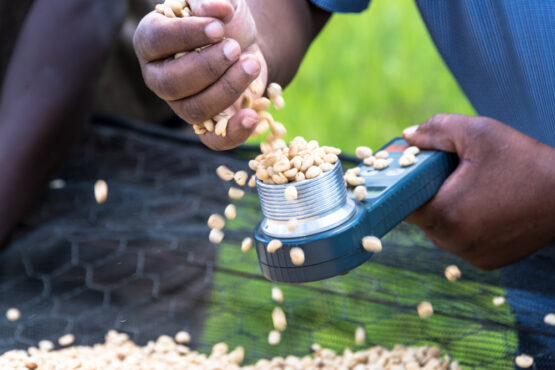
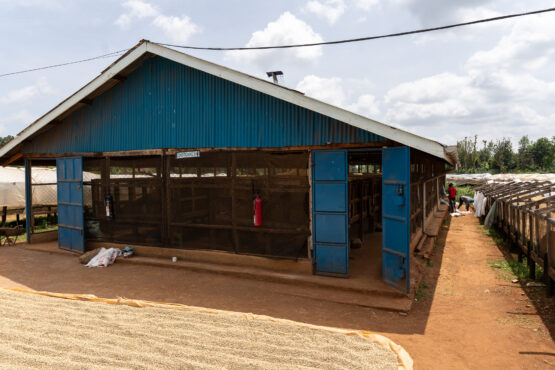
As they dry the parchment is turned constantly to ensure even drying, and so that any defective beans can be identified removed. Time on the drying tables depends on the weather, ambient temperature and processing volume: taking anywhere from one to three weeks to get to the target moisture of 11–12%. After drying, the coffee is stored at Kii’s parchment warehouse before being prepared for export.