Magarciy
Hibiscus and Cherry Ripe with brown sugar sweetness. Balanced and rounded with rich mouthfeel.
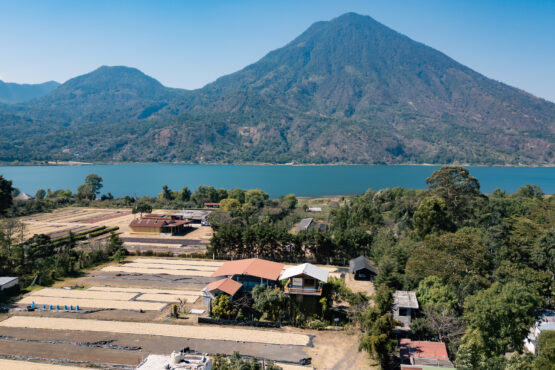
Magarciy is a beautiful farm on the shores of Guatemala’s stunning Lake Atitlán, in the country’s southwestern department of Sololá. The estate is owned by the Ramírez family after being established by patriarch José Ramírez Sr., who grew up in the region and after whom the farm is named.
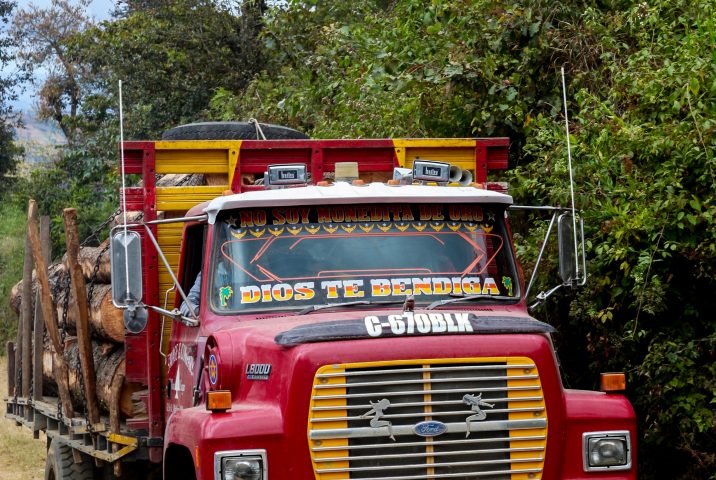
As a younger man, José worked as a transport driver in Atitlán, receiving the nickname ‘Don García’ from a close friend of his, even though Garcia wasn’t his actual last name. Over the years, as more of the region’s communities got to know José, the nickname changed into the local Tz’utujil Maya language, with ‘Don’ translating to Ma and García morphing into Garciy, or Magarciy.
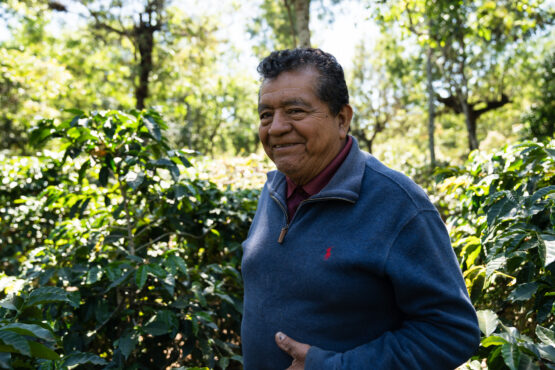
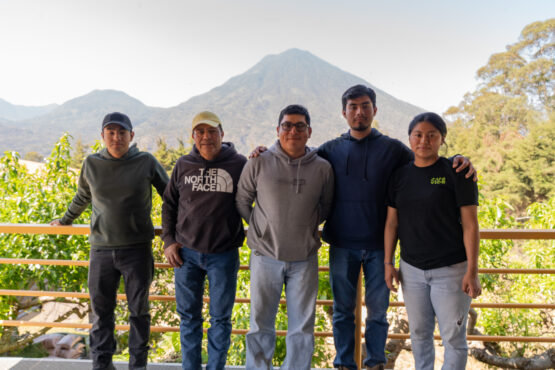
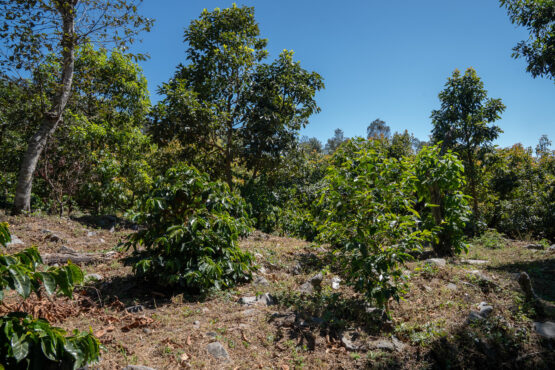
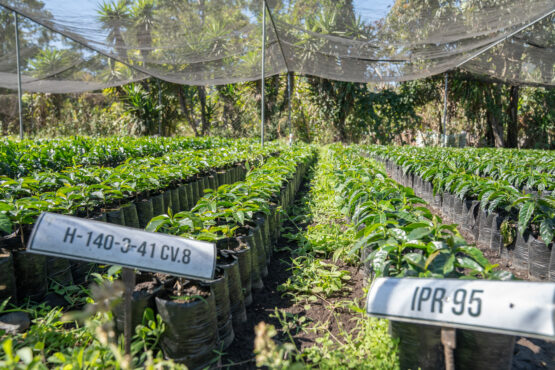
After purchasing the property in the 60s, Don José left his driving days behind and devoted himself to coffee. In doing so, he also became one of the region’s first proponents of quality-focused coffee production by adopting meticulous practices at the farm and the wet mill he established in 2014. At Magarciy, Bourbon, Caturra, Catuaí and Typica trees are planted in neat rows, largely under the shade of Grevillea and native Inga trees. The property also includes small parcels of avocado, banana and citrus trees for the family’s consumption.
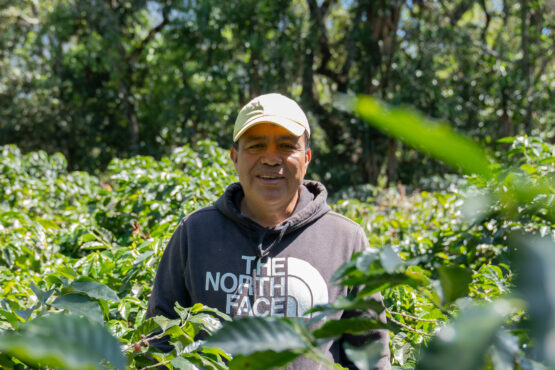
Today, operations at Magarciy are helmed by José Ramírez Jr., who oversees production of the family’s lots and works with small producers who grow coffee in the towns that surrounded Lake Atitlán. For many years, the family’s impressive wet mill was used by the local CoAtitlán Cooperative, which supported hundreds of local coffee growers. While the association was recently forced to dissolve due to compliance challenges and pricing pressures, the Ramírez have chosen to continue processing their own coffees while still supporting many of Magarciy’s neighbouring small-scale farmers.
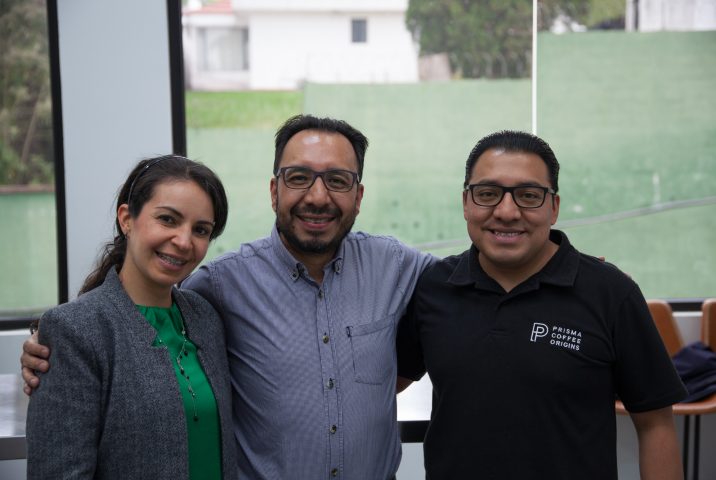
We have access to the Ramírez family’s coffee through our good friend Eduardo Ambrocio of Prisma Coffee Origins. With his help, we’ve been able to establish long-term relationships with some fantastic producers who grow coffee at small to medium-scale farms since 2019. Having spent more than two decades working as ANACAFÉ’s Head of QC, and later as a consultant and exporter throughout the country, Eduardo has built strong relationships with many of Guatemala’s quality-focused producers and cooperatives. Along with brother Edwin, Eduardo has one of the most impressive and experienced palates of anyone we work with, and we are incredibly grateful to them for helping us source coffees as delicious as this one.
ABOUT ATITLÁN
Located in the country’s southwestern department of Sololá, Atitlán is one of Guatemala’s eight major coffee-growing regions, as recognised by national coffee body ANACAFÉ. Atitlán is also the name of a volcano and lake in the region, where much of the department’s coffee is grown on incredibly fertile, volcanic soils. Coffees from this region are very unique and distinct, as it is influenced by climatic patterns coming in from the Pacific Ocean, the lake’s humidity, and the winds that tunnel through the volcanoes and hills that surround it.
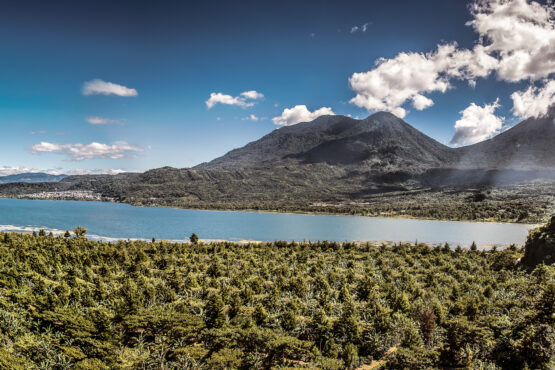
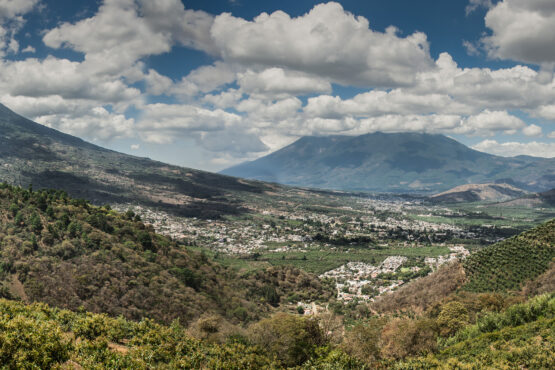
Atitlán is the traditional home of the Tz’utujil people, one of 22 Mayan nations that live in Guatemala. Prior to the Spanish invasion of the region, the city of Chiaa (which translates to ‘town near the water’ in the Tz’utujil language) served as their capital. Following the city’s conquest, its name was changed to Atitlán, a word with the same meaning in the more widely-spoken Nahua language. Many Tz’utujil communities remain in the region, having fought to keep their land and identity in the centuries since colonisation, and are well-known in Guatemala for their beautiful weaving and traditional songs.
HOW THIS COFFEE WAS PROCESSED
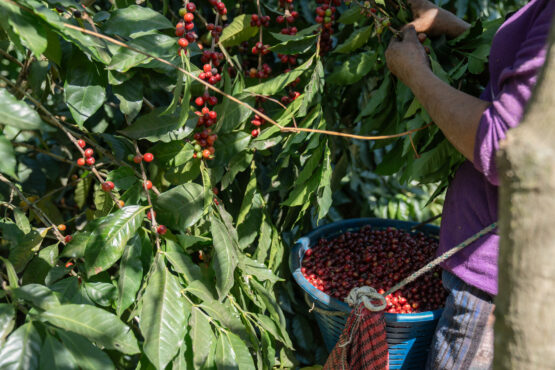
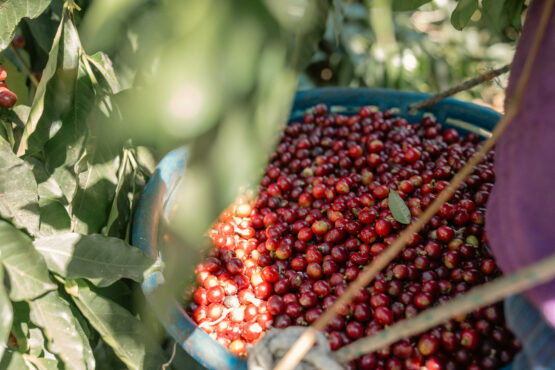
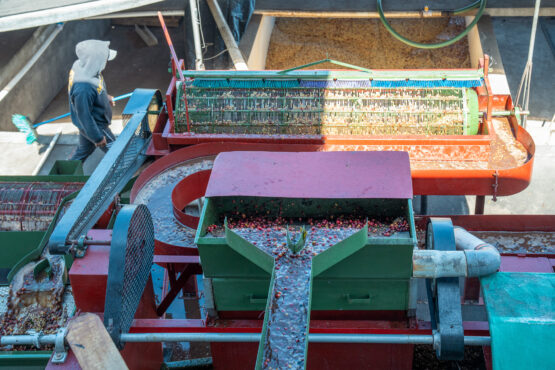
Once the perfectly ripe cherries are picked, the coffee is processed at the Magarciy’s beneficio (mill) in the traditional washed manner. The cherries are mechanically pulped on delivery, followed by a 12-24 hour fermentation period, which helps remove the mucilage. The beans are then washed to remove any remaining pulp and carefully dried on Magarciy’s extensive patios for up to ten days. Because these are located near Lake Atitlán, they experience a cool breeze that ensures the coffee is dried slowly and evenly.
Once coffee was dry, it was cupped and approved by Prisma’s team and parchment was milled and prepared for export near Guatemala City. Prisma are hoping to build their own dry mill in the coming years, as a way to minimise risk and give them more control of the quality of the coffees they export.