Small Producers of Santa Bárbara
Red grape and plum with milk chocolate. Crisp acidity and jammy body.
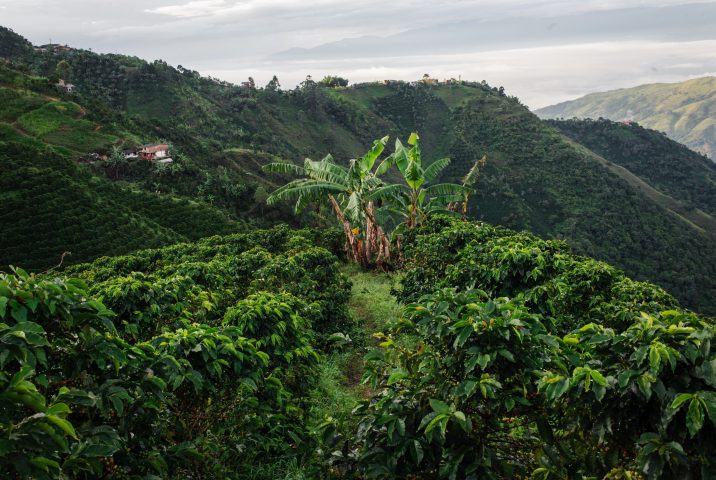
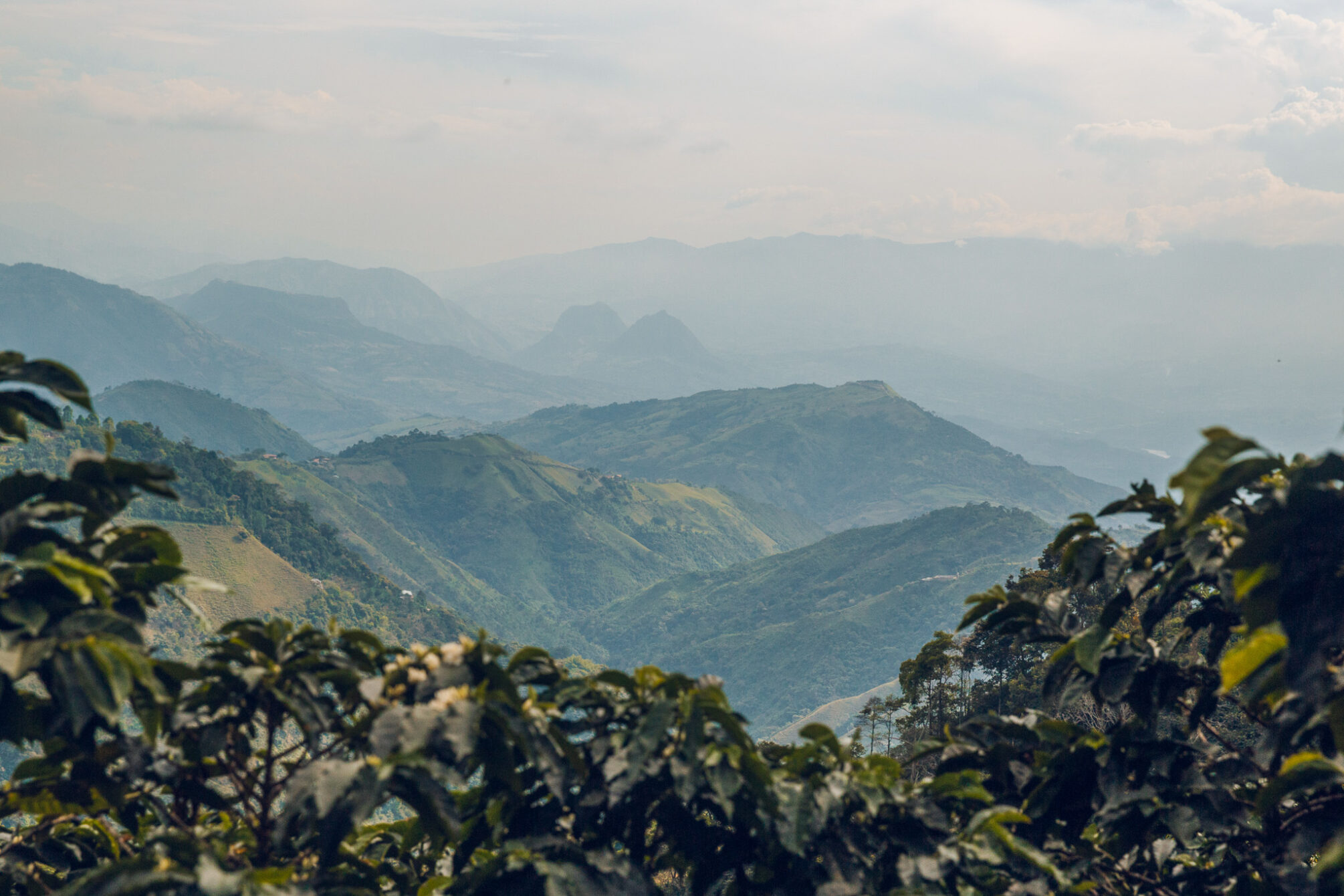
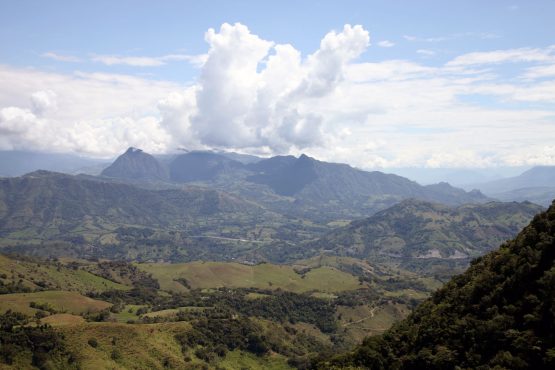
The special regional blend is made up of coffee from 15 producers from the municipality of Santa Bárbara, in Colombia’s state of Antioquia. Locally, Santa Bárbara is known as the “Balcony of Beautiful Landscapes,” because its hilly topography creates multiple vantage points from which to enjoy the stunning view. As their first time offering us this lot, it is the result of export partner Pergamino Coffee’s commitment to building and investing in new supply relationships in their home state of Antioquia.
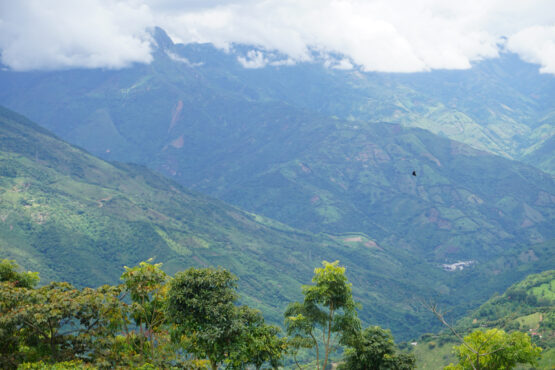
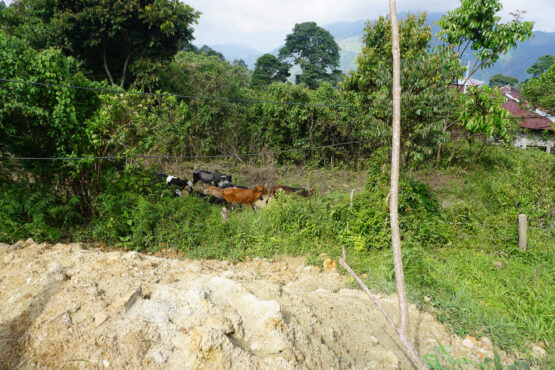
Like most regions in Antioquia’s southwest, Santa Bárbara has a long history of coffee production, after the crop was first introduced in the late 19th century. Back then, the region was home to very productive gold and silver mines, and the families that owned them were able to buy large properties that were then used for agriculture. As the coffee industry advanced in Antioquia, so did adjacent ventures, like the building of large dry mills, railways and establishing of export companies. However, as coffee’s price became more unpredictable and volatile, the crop’s profitability began to plummet. Larger estates became less sustainable and most were eventually divided into smaller parcels of land and sold. That cycle repeated itself many times over, with most coffee farms now averaging between one to three hectares in size, like those of the producers who contributed to this coffee. Most of their crop has historically gone to the commercial market, as this highly productive region of Antioquia is part of Colombia’s Eje Cafetero (coffee axis). The state’s unique topography and climate aids this, as Santa Bárbara experiences two harvests, with its main one running from September to December.
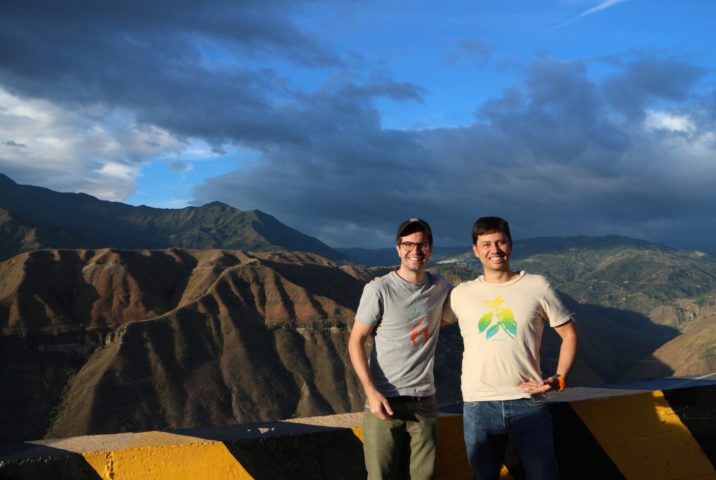
The municipality is also were Pergamino founders the Echavarría family began their journey with coffee, as it’s where their Lomaverde Estate was first established in the 1970s. Through decades of developing their farm and exploring the region’s soils and climate, the Echavarrías became convinced other producers had similar potential to grow and process specialty-grade coffee. For years, they had sought ways to connect with Santa Bárbara and neighbouring municipality Montebello’s coffee-growing communities, without much success. As Pedro explained on a recent call, “We always try to find people who can help us with logistics and warehousing. We prefer to work with established operators in town who already know local producers and who have already established a buying relationship with them and earned their trust; starting from scratch is very hard.” Because the region is home to many commercial coffee growers, competition amongst traders and buyers can be fierce, giving producers many avenues for selling their coffee — and buyers new to the market have a hard time breaking ground.
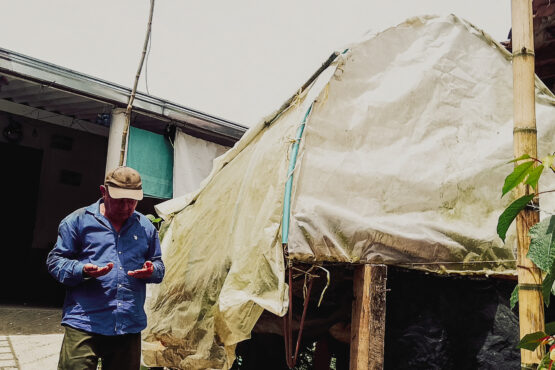
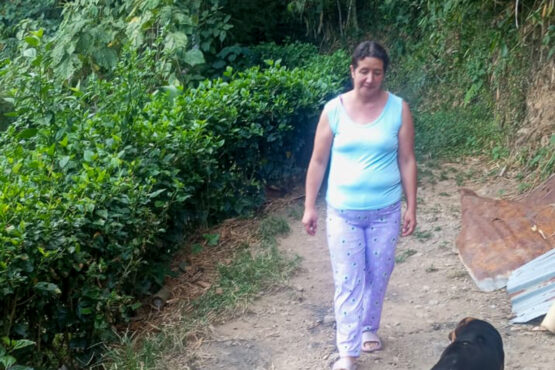
Because their strategy has worked in nearby Urrao, and further afield in El Bombo, Huila and San Antonio, Cauca, Pergamino set out to find a local co-op to partner with, eventually starting conversations with Cooperative Agrícola Cardinal. “They’re very well-connected and have buying points in Santa Bárbara and Montebello,” Pedro told us. “They also have a lab, and even though it wasn’t designed to evaluate specialty-grade, we installed one of our sample roasters in and one of our cuppers spent the harvest with them, and we have been meeting regularly since. The project is just getting started, but we have high hopes for it.”
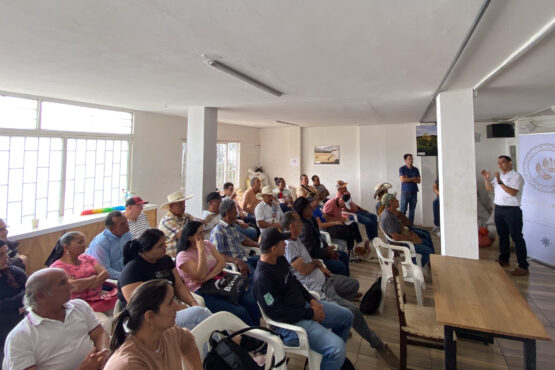
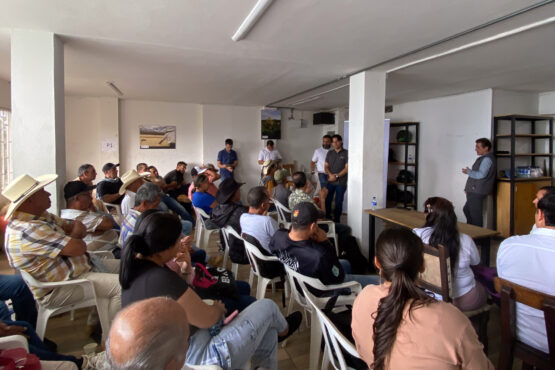
Like most Colombian coffee-growing regions, producers here tend to some older Caturra trees, as it was the most popular variety during the 1970s and 1980s when many farms were established throughout the country, along with pest-resistant hybrids Colombia and Castillo. Minimal chemical inputs are used, and most work is done manually by farmers and their families. Now that relationships with local producers have been established, Pergamino hope to use their knowledge to further elevate the quality of what they deliver. As Pedro put it, “We’re really happy with the coffees we are buying here. Our goal for the future is to use Lomaverde as a model farm to provide technical assistance, because it’d be easy for producers to attend. We want to host workshops were we can show everything we’ve learned about producing specialty-grade lots in Santa Bárbara. This project is really close to our hearts.”
ABOUT ANTIOQUIA
Antioquia is located in central northwestern Colombia. Coffee was introduced to the region in the latter part of the 19thcentury. Since then, this mountainous, fertile department has 110,000 hectares of coffee, with 97% of the region’s producers being considered ‘small’ by the CENICAFE, Colombia’s coffee federation. After Huila, Antioquia is the country’s most productive coffee region.
The department only recently became more accessible to specialty coffee buyers – largely thanks to a transformation of the department led by Sergio Fajardo, who was the governor of the department between 2012-2016. Sergio transformed Antioquia’s capital city, Medellín, from a violent and dangerous place to a world-class tourist destination with a strong economy. Coffee has played a significant role in this this transformation, and as access to many producers has improved, the region has become one of Colombia’s most important and celebrated coffee-producing areas.
Our export partners for this coffee, Pergamino, have worked hard commercialise specialty-grade coffee throughout Antioquia, and have uncovered some stunning coffees and very dedicated producers in the process. They work closely with the producers to give them feedback on their coffees (provided by Pergamino’s expert team of cuppers) and provide top up payments when the coffee is sold at a higher premium.
Head here to learn more about the work of Pergamino in Colombia.
HOW THIS COFFEE WAS PROCESSED
This coffee was selectively hand-harvested, with most labour being provided by each producer and their families. The coffee was processed using the washed method at each property’s individual ‘micro-beneficio’ (mill).
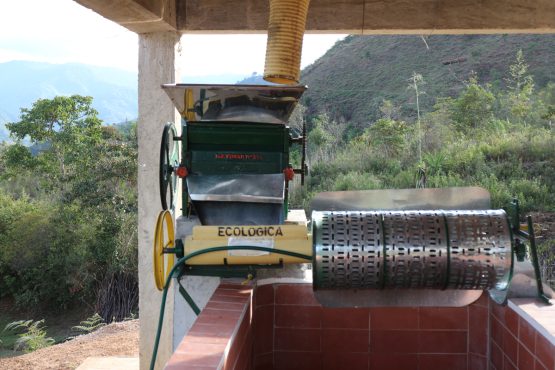
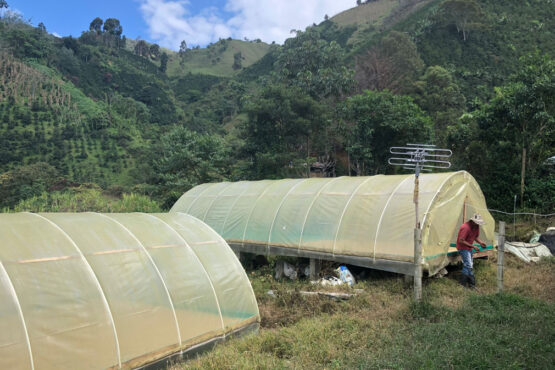
The coffee was then hand pulped and placed into a fermentation tank. Because of the cooler climate in Santa Bárbara, producers tend to ferment the coffees for longer than usual and will often blend several days’ worth of pickings over a three day period. Every day freshly picked cherry is pulped and added to the mix. This is key, as it lowers the pH level and – along with the cooler temperatures – allows for an extended fermentation process. This fermentation process contributes to a vibrant, winey acidity in the coffee’s cup profile.
The coffee was then carefully dried (over 10–18 days) on a patio. Once dry, the coffee was delivered to Pergamino’s warehouse in Medellín, where it was cupped and graded, and then rested in parchment until it was ready for export.