Fazenda Progresso Pulped Natural
Well-structured with a full body and rich mouthfeel. Candied orange, toasted hazelnut and dark chocolate.
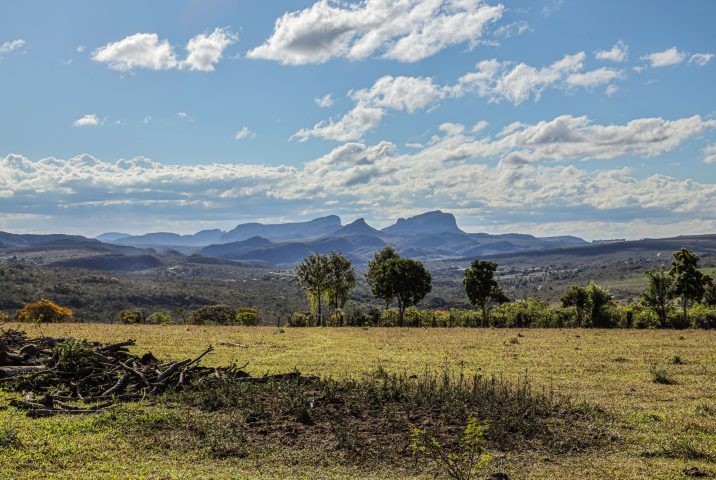
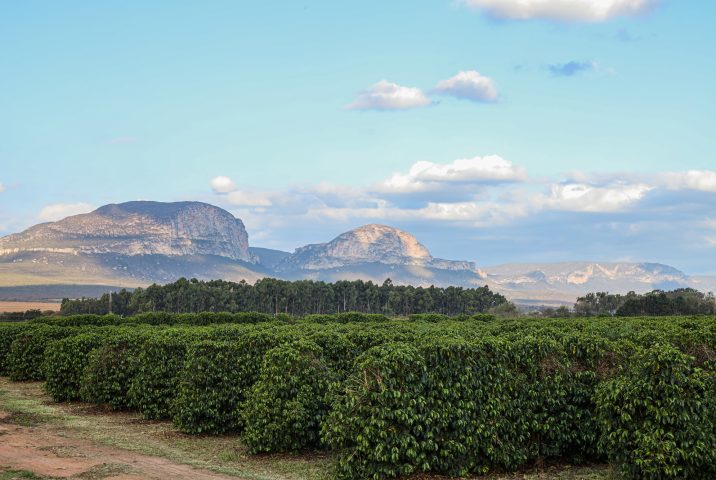
Fazenda Progresso is a beautiful estate nestled in the Chapada Diamantina mountain range, in the heart of Bahia. Established by the Borré family, who have been in business for three generations, Fazenda Progresso represents a story of passion, perseverance and commitment to excellence and a deep knowledge of agricultural crops.
The history of Progresso dates to 1984 when the Borré family migrated from southern Brazil to the country’s northeast, and purchased land in the municipality of Ibicoara, near the town of Mucugê. In the early years, the family tried growing crops such as soybeans, wheat and English potatoes. The potatoes turned out to be an extremely successful crop, stimulating further investment by the family and eventually making them one of the largest producers of potatoes in Bahia.
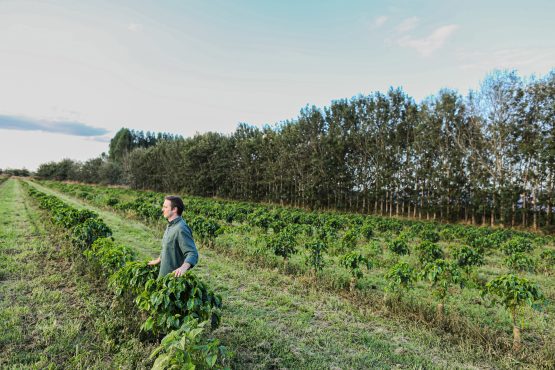
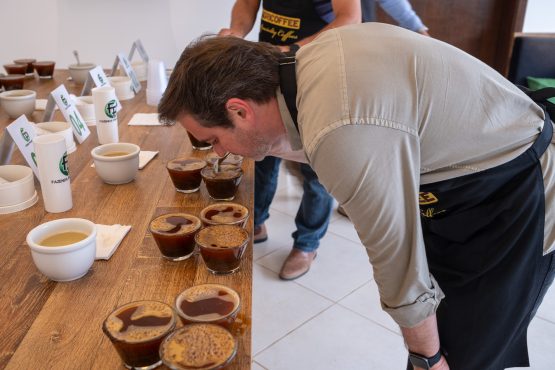
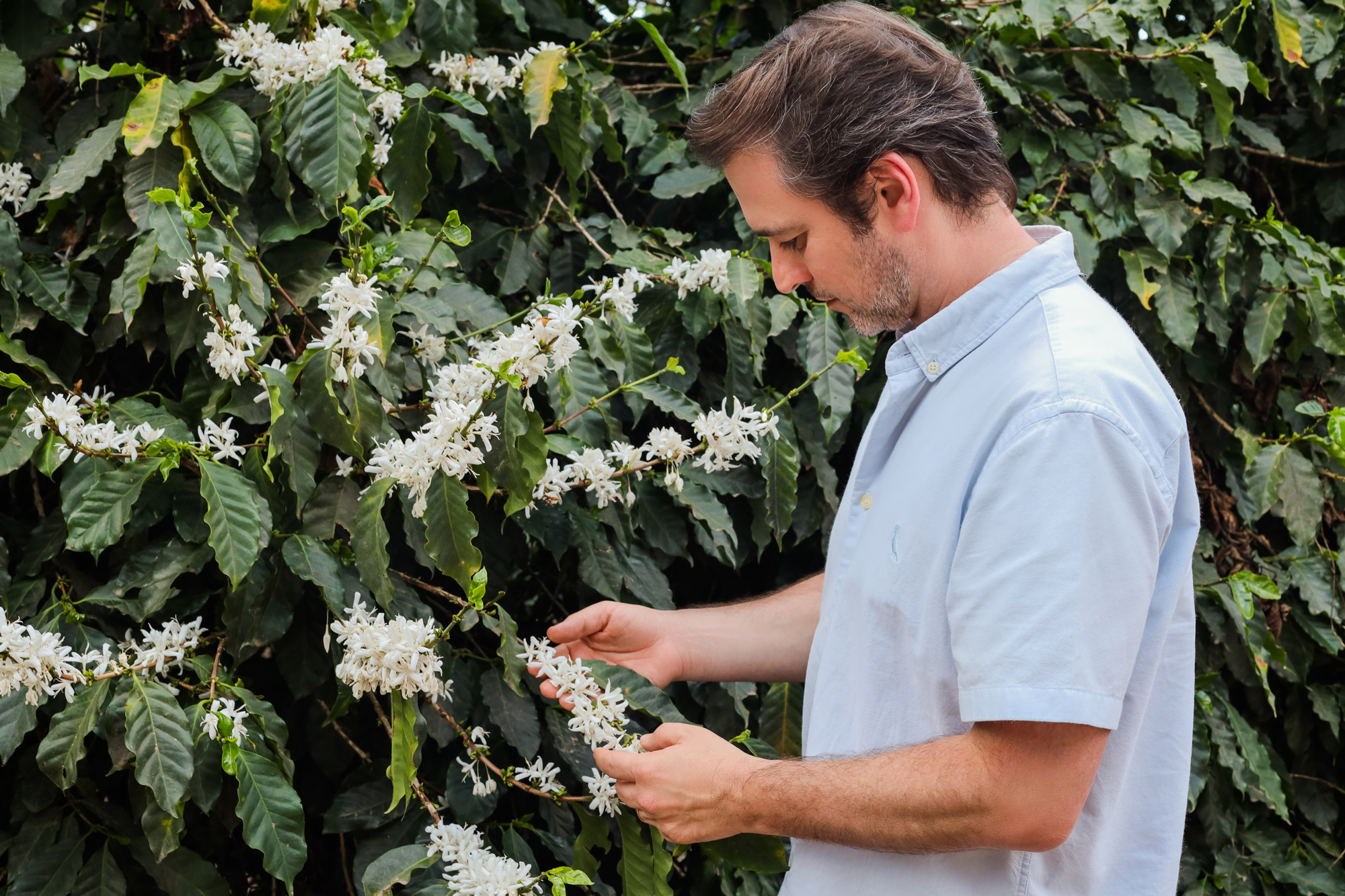
In 2005, the Borré family sought to diversify the activities on their land and quickly recognised that the high elevations, plentiful rainfall, and rich soil found on their property were ideal for specialty coffee production. The family’s youngest son, Fabiano Borré, spearheaded the coffee program, investing in state-of-the-art infrastructure and agricultural practices to ensure they could produce the very highest quality coffee possible. Fabiano has surrounded himself with an exceptional team and sought advice from some of the most respected professionals in the field, including our good friend and export partner Silvio Leite, one of the founders of the Cup of Excellence program, who has over 30 years of experience in coffee grading, tasting and quality control.
Today, some 530 hectares of the property are dedicated to coffee. This land is divided into five different plots and planted with two varieties: Catuaí 144 (Red Catuaí) and Topazio (a hybrid of Mundo Novo and Red Catuaí bred in Brazil in the 1960s).
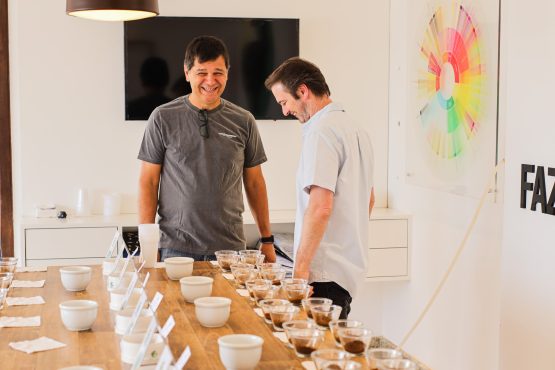
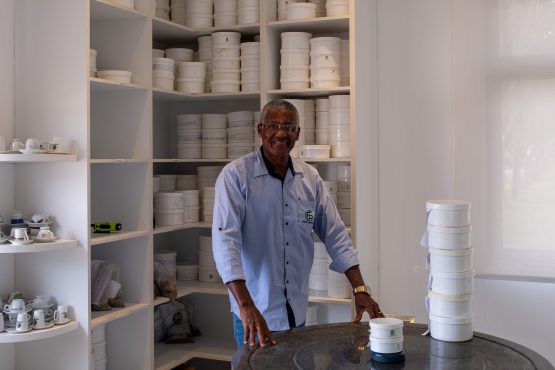

Progresso’s quality has been recognised in the Cup of Excellence – it placed 15th the first time it entered in 2015 and 20th in 2017 – a fantastic achievement and testament to the hard work, resources, and focus that has been put into producing great coffee. This focus on quality has been unwavering – over the last decade, Fabiano and his team have continued to carefully experiment and refine their harvesting and processing techniques. This work has been supported by a robust quality control program and talented cupping team led by Ednaldo Nascimento, who has worked with Progresso since 2010.
A VALUES-LED FAMILY BUSINESS
The Borrés’ motto is ‘Mindful Coffee.’ This describes their commitment to acting mindfully and ensuring that their family values centring around excellence, innovation, and environmental and social responsibility inform every decision they make and define how they do business.
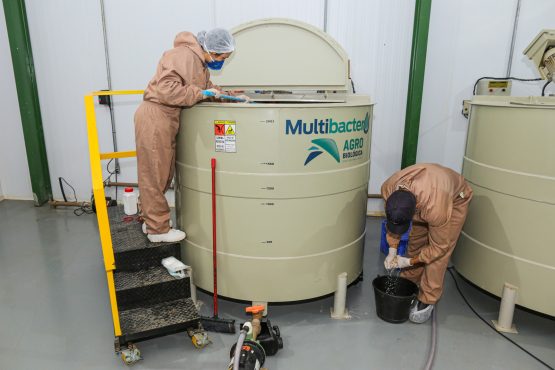
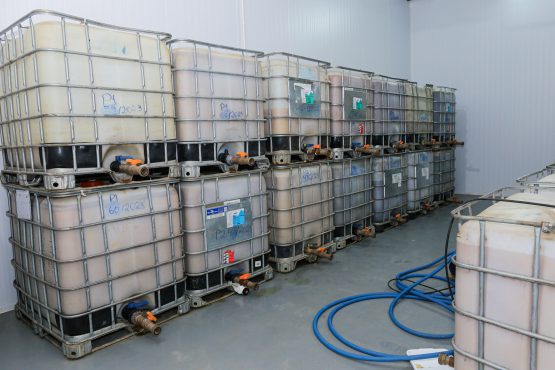
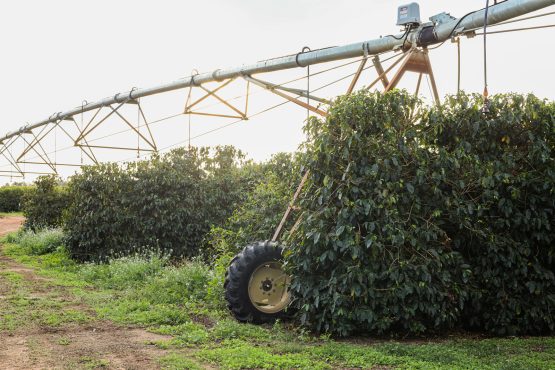
Environmental stewardship is a core value for the Borré family, who take great care to protect and preserve the ecological health of their land. Around 45% of the entire estate is dedicated to natural reserve, which helps preserve the natural biodiversity, as it provides a habitat for wildlife. Water sourced from the nearby Paraguaçu River and a local dam is carefully used across the estate. Meteorological stations are positioned throughout the farm to monitor the nutritional needs of each plot, ensuring only the exact requirements for water and other inputs are dispensed to them through pivot irrigation systems — thereby optimising irrigation and minimising waste. Coffee pulp from processing is composted (along with grape cuttings and potato wastage, which are both very high in potassium and great for coffee trees) and used to fertilise trees throughout the plantation. In recent years, the Borrés have begun harvesting beneficial bacteria and microorganisms from the farm and cultivating them in bioreactors, to be used as naturally derived fertilisers and pesticides in place of chemical inputs. This has reduced their reliance on chemicals by over 30%.
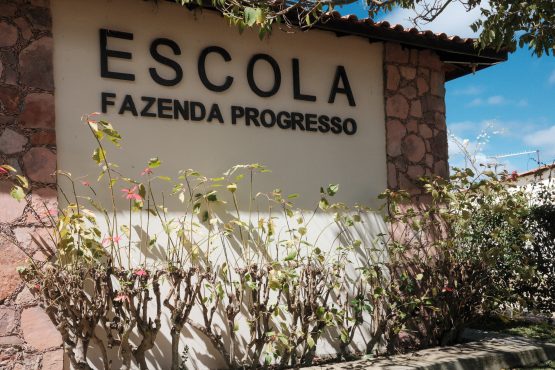
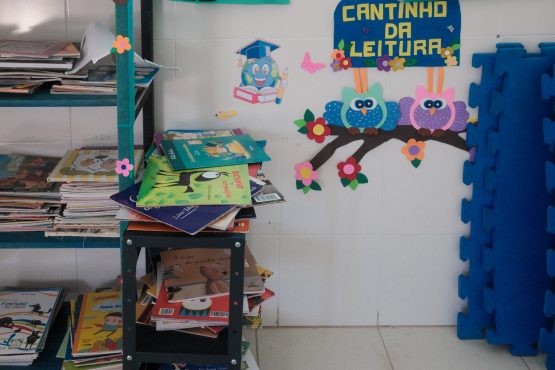
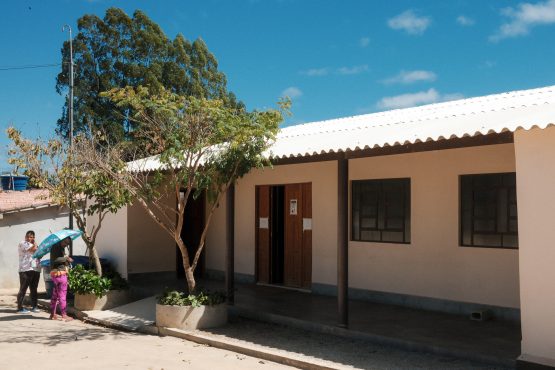
Fazenda Progresso’s people and their welfare are also enormously important to the Borré family, and they take great care to foster an excellent work environment for their staff. Buses are provided to and from the farm, along with cooked lunch every day. Staff also receive insurance, protective wear, sunscreen and biannual health check-ups by a resident doctor. Additionally, the family has built a school and medical centre in Povoado do Roncador, a village located next to the farm (where many of the local workforce reside), and provide both with ongoing financial support.
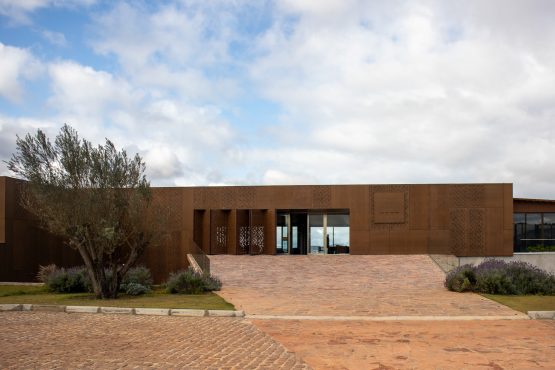
In recent years, the Borre family have also actively pursued initiatives that support a thriving tourism industry in Mucugê, building a boutique hotel in town, and the ambitious, world class winery Uvva next to Fazenda Progresso. The impressive building features a modern art gallery, fine dining restaurant and specialised tours and tasting experiences for visitors. Fabiano explained their motivation to move into wine was “to draw people to Chapada Diamantina and Mucugê, offering a experience that showcases the local landscape and regional culture”. Like their coffees, the wines are developed to showcase the region’s unique terroir, providing a distinct and original experience of Chapada.
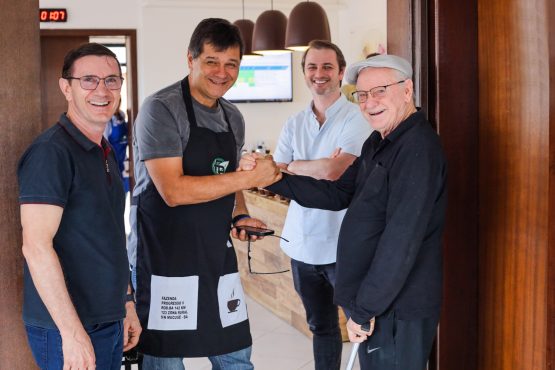
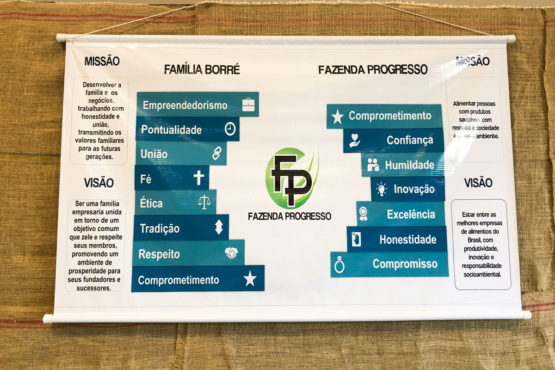
The Borrés’ family business has always been managed and directed by family members and is now in its third generation of operation. Recently, the family has campaigned tirelessly to earn Geographical Indication recognition for specialty coffee for the broader region of Chapada Diamantina from Denomination of Origin — which they achieved in 2024. Geographical Indication recognises the human and environmental factors that result in the exceptional cup profile produced within a specific region, and this accomplishment is extremely meaningful to the local producing communities. Since 2021, Progresso have also sponsored a coffee competition that rewards smallholder producers in the towns surrounding the Chapada mountain range. By supporting the local coffee community, the Borrés are elevating the name of Chapada Diamantina and encouraging the region’s farmers to pursue quality-focused production, with the long-term goal of the region’s coffees fetching higher, more sustained and profitable prices.
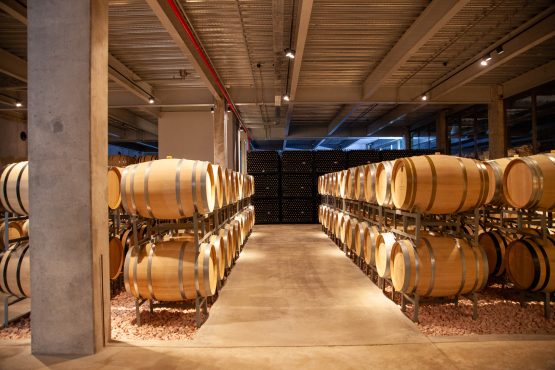
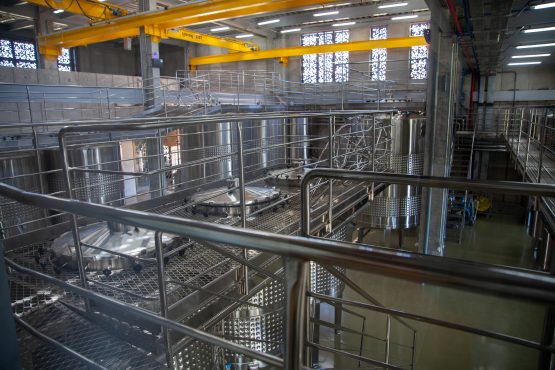
This important work is already yielding meaningful results, particularly in Mucugê, which we have seen change and grow considerably since our first visit in 2015. As major employers in the region, the Borrés have been key contributors to the local economy and instrumental in this transformation. On our most recent trip to Progresso, we learned Fabiano had just received the ‘Citizen of Bahia’ award for his outstanding contributions to agriculture, community, culture, tourism, and economy Chapada Diamantina. When presenting the award, Ivan Bastos, the president of the Legislative Assembly of Bahia, emphasised the significance of this award, stating that, “It is in recognition for someone who arrived, planted, innovated, and made Bahia flourish with work, vision, and affection.” The award is significant, as it recognises the strong ties that the Borrés have cultivated in Chapada Diamantina over the last 40 years, and their deep connection to the land and community.
You can read an interview with Fabiano Borré here.
ABOUT MUCUGÊ
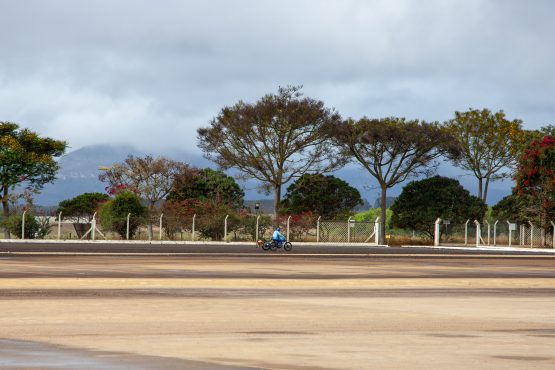
Fazenda Progresso is located near the town of Mucugê, and sits on a plateau at 1,150m above sea level surrounded by the Chapada Diamantina National Park, known for its mountainous cliff formations (Chapada) and 19th-century diamond mining (Diamantina). The region’s high elevation plays a key role in the quality of the coffees produced here, as does its temperate climate. Hot days and cool nights — with an average temperature variation of around 10°C — create ideal conditions for slow coffee cherry maturation and a gradual development of natural sugars in the fruit, resulting in a sweet and complex cup.
Located in Brazil’s state of Bahia, Mucugê is considered the gateway to Chapada Diamantina’s historical mining region. It is the traditional home of the Maracás indigenous people, who bravely defended their land during the Portuguese invasion of Brazil in the seventeenth century. While they were eventually defeated by the foreign invaders, the nearby municipality of Maracás is named in their honour and located on their historical capital city. The word “mucugê” comes from the indigenous Tupi language (which was spoken by most First Nations People along Brazil’s coast), and it refers to the mucujé, or couma rigida plant, an edible sap tree found throughout the region.
Due to the fierce battles that occurred and the mountain ranges that surround Mucugê, colonisation was slow to occur; however, in the mid-1800s, gold and diamonds were found in the local rivers and waterways, quickly transforming the town into the capital of the nation’s mining industry. Over the next century, Mucugê rose in prominence as diamond mining boomed in Brazil — but its importance declined sharply as the industry faced competition from other countries and synthetic diamond production. In the 1960s and 70s, mining practically disappeared and Mucugê’s population dropped as low as 400 inhabitants. The land surrounding the town was left depleted and its population exhausted, as diamond mining is incredibly taxing on the environment and arduous on the population.
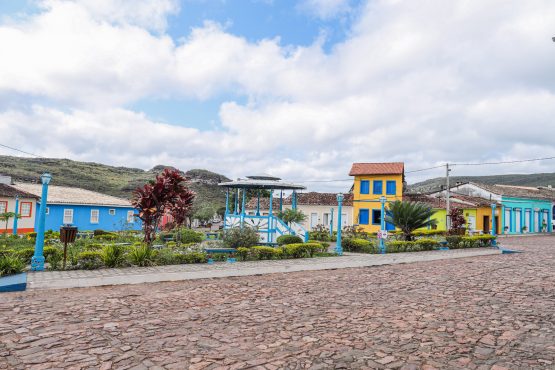
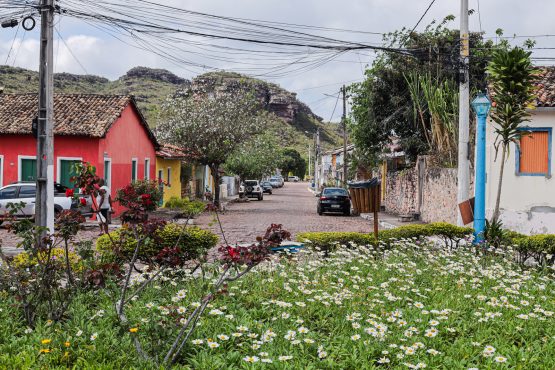
Mucugê has seen a resurgence in the last 40 years, as the local government has put conservation efforts at the helm and agriculture has become the region’s main industry. With the establishment of the Chapada Diamantina National Park and a greater emphasis on preserving its biodiversity and history, Mucugê has become a favourite tourist destination for Brazilians. Companies like Fazenda Progresso, who have adopted the use of technology and strict environmental policies, are a great example of what the future holds for the region.
In 2024, coffees produced in the Chapada Diamantina surrounding region were awarded Geographical Indication by Denomination of Origin, a designation that recognises the human and environmental factors that result in the exceptional cup profile produced within a specific region. This accomplishment is extremely meaningful to the local producing communities that surround Mucugê, and we’re excited for what they’ll be able to produce in the years to come.
HOW THIS COFFEE WAS PROCESSED
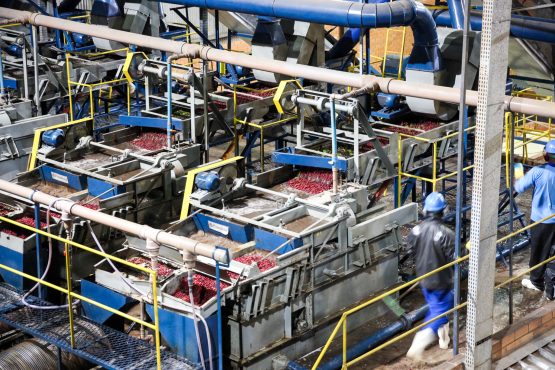
At Fazenda Progresso, lots are typically processed separately, depending on yields, using a state-of-the-art wet mill. Over the last decade, Fabiano and his team have continued to experiment and refine their harvesting and processing techniques, while investing in equipment and processes that have improve the quality of Progresso’s coffee.
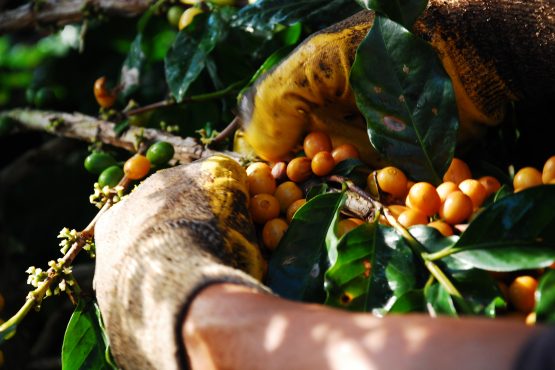
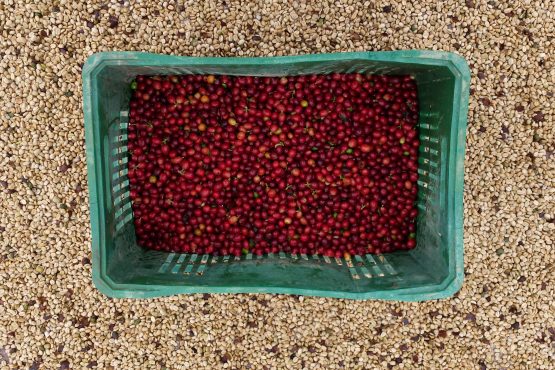
While some of the cherries used for this coffee were carefully hand-selected at the peak of their ripeness by a specially trained team between June and August, most were machine harvested. Since 2023, Progresso have implemented cherry colour sorting at their wet mill, by installing a machine that uses infrared light to separate any green (unripe) fruit from the ripe red cherries that are ideal for processing. The cherries were then carefully processed as a pulped natural lot: the fruit’s skin was removed (using one of Progresso’s four depulpers) and the sticky, mucilage-covered beans were laid out on a patio for one day.
The coffee was then dried very slowly and thoroughly in mechanical dryers at 33o C for eight hours and then rested with no heat for four hours. The guardiolas were never filled over 60% capacity, to ensure heat was applied gently. This process was repeated for a total of 60 hours. Progresso has done a lot of experimentation with drying and has found that this method yields the best results and ensures that the coffee holds its quality over an extended period of time.
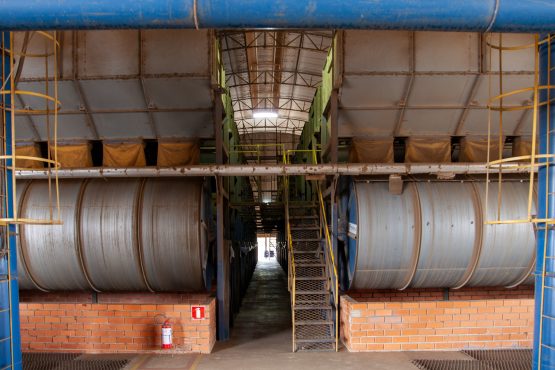
When the desired moisture content was reached, the coffee was cupped by the QC team and placed in large silos to rest. Once approved and ready for export, it was milled and packaged at Fazenda Progresso’s dry mill which is also located on the farm.
WHAT’S IN A NAME?
When Progresso was first founded, it was given its name ‘Progresso’ which translates quite literally to ‘progress’ in English. This name reflects the family’s concept and philosophy of business, which has been held and passed down across generations and is still very relevant to the family’s ethos, business culture and drive today. It portrays their boundless energy, their entrepreneurial spirit and drive, and their unwavering commitment to quality and improvement in every working day. We feel very lucky to be working with Fabiano and the Fazenda Progresso team and look forward to sharing their coffees with you for many years to come!