Floripondio Java Coco Natural
Very floral and refined. Pink grapefruit, Concord grape and star fruit balanced by condensed milk.
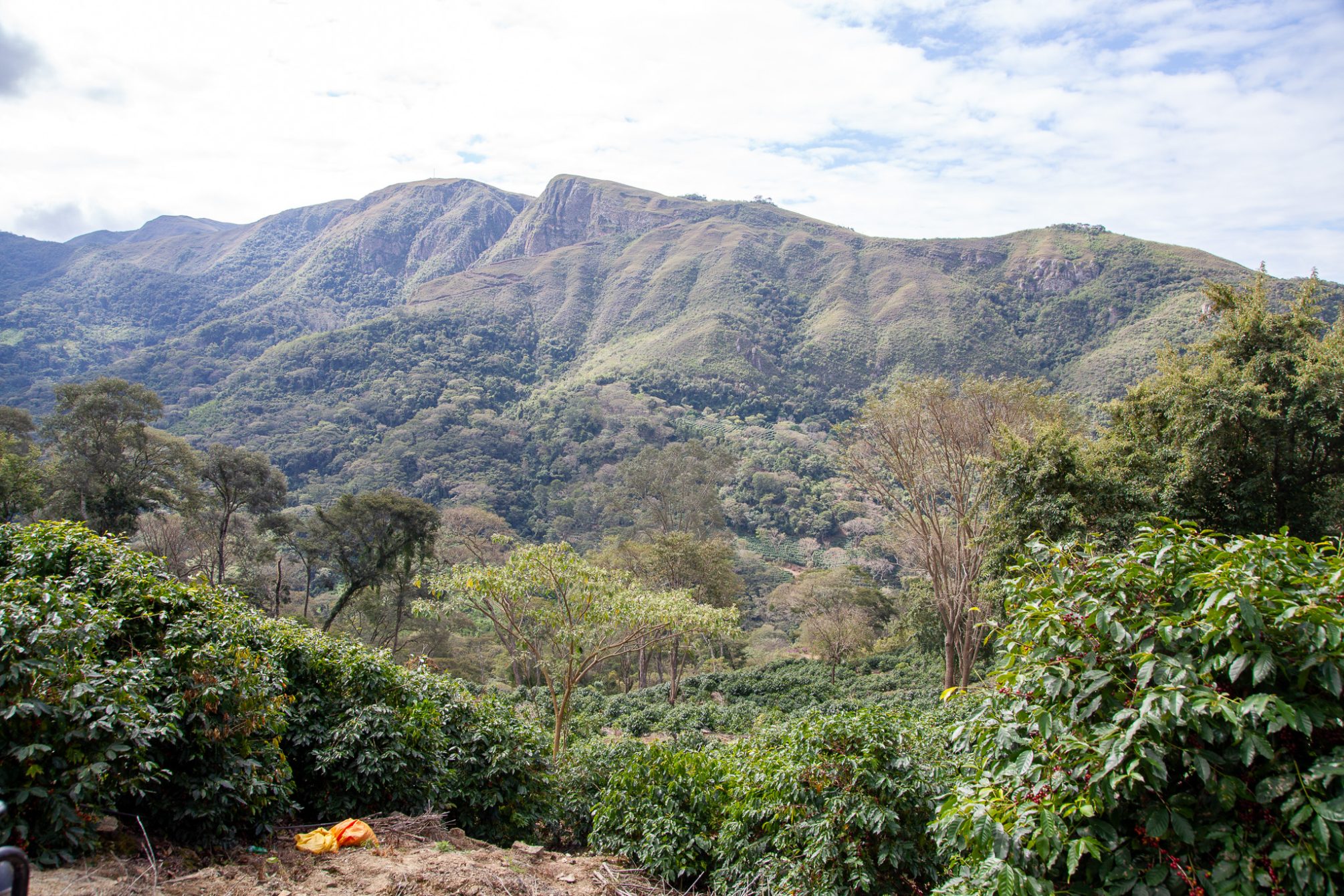
This special microlot comes from Floripondio, one of four farms owned and operated by the Rodríguez family in Bolivia’s Samaipata region. Floripondio gets its name from the Floripondio flowers (commonly known as Angel’s Trumpet in English) that are native to the area and grow throughout the farm. The flower is thought to possess some hallucinogenic properties, and legend has it that as soon as you lay down beneath a Floripondio tree you start dreaming. This is apt, as the natural scenery at Floripondio is breathtakingly beautiful and can seem like something out of a dream.
This 47 hectare farm (29 of which are planted with coffee) is found at a staggering 1,710 meters above sea level. It has two breathtaking viewpoints: one over the spectacular Andes mountain ranges, and another over the Amboró National Park, which is considered as having some of the world’s greatest biodiversity of flora and fauna. This protected park is located west of the department of Santa Cruz, in the so-called “Codo de los Andes”, where the western mountain range changes course to the south.
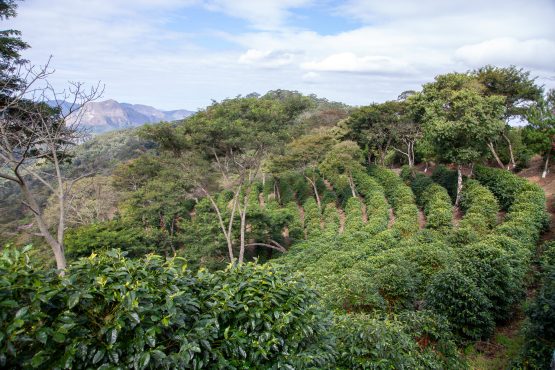
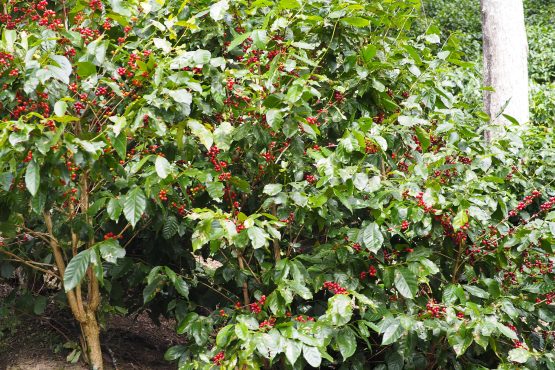
Floripondio’s high elevation, tropical microclimate and distinct soil profile, made it the ideal place for the Rodríguez family to establish their variety nursery and garden. To date, they have planted and trialled over 60 varieties at the farm, with the objective to work out which are best suited to the land and this particular latitude and elevation. On our most recent visit to the farm, Pedro Pablo Rodríguez told us their nursery was the most important part of their investment in the region. The young coffee trees spend nine months in bags, and then planted on the variety garden so that roots can deepen and strengthen. Planting is usually done in November, once the harvest has wrapped up, and by each tree’s second year, Agricafe expect a small production available.
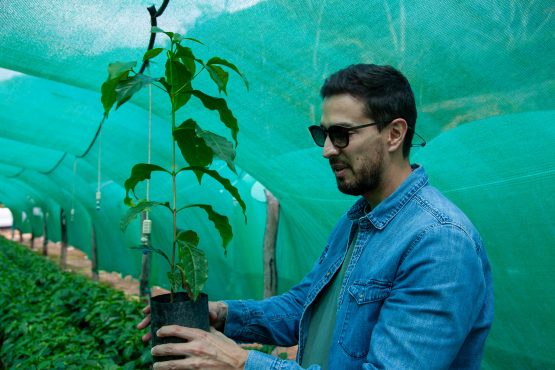
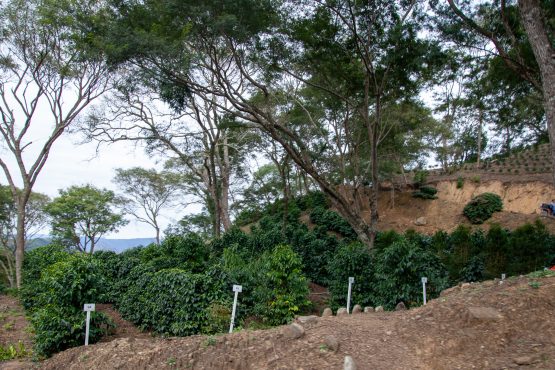
Floripondio’s variety garden is large — every year, one to two hectares of it are devoted to planting new varieties. Their goal is to consistently increase volume for the most productive three to four varieties, keeping up to two hectares of land exclusively for varieties like Gesha, Batian and SL34. Every year, some 30% of the farm is pruned, as this promotes stronger growth and keeps trees healthy. Because weather conditions in Samaipata have become more challenging over the years, the Rodríguez family have shrunk their total output from Floripondio, prioritising rarer coffee varieties that produce an exquisite cup and command higher prices as a result. This particular lot is 100% Java.
Java is a coffee variety with a long history of cultivation across the globe. Its name comes from the Indonesian island of Java, where it was first introduced directly from Ethiopia by the Dutch in the early 19th century. From there, it has become popular in West Africa and Central America, where it has thrived as an interesting alternative to the Gesha variety. Java has the potential to be quite profitable to small coffee farmers, thanks to its incredibly distinct flavour profile and high cup quality, and its high tolerance to coffee leaf rust and coffee berry disease. It was originally thought to be a Typica selection, but recent genetic testing revealed it is closely related to an Ethiopian landrace variety called Abysinia.
The family’s learnings have also been shared with local producers through a training program they has developed called ‘Sol de la Mañana.’ Head here to learn more about this wonderful program, and here to learn more about the incredible work the Rodríguez family and Agricafe are doing in Bolivia.
ABOUT SAMAIPATA
Samaipata is a relatively new coffee growing region located in the department of Santa Cruz, at the foot of the Bolivian Andes. The Rodríguez family first established exporting company Agricafe Bolivia along with eight farms and a wet mill in the traditional coffee growing region of Caranavi. In 2012, they expanded to Samaipata, which is historically known for producing food crops like fruit and vegetables.
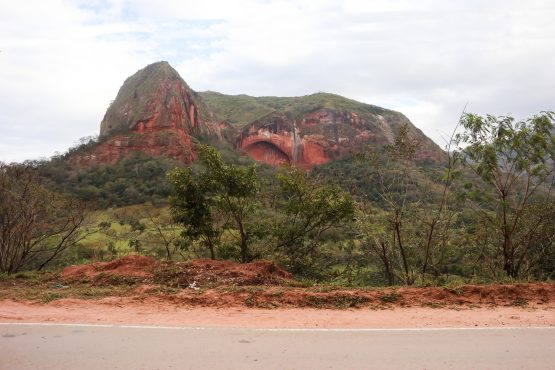
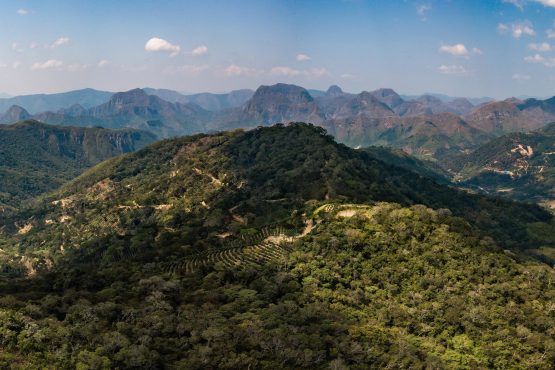
This was risky move – coffee had never been planted here before – but Pedro recognised the region had the right conditions to produce exceptional quality coffee, with high elevations, nutrient-rich soil and a similar climate to Caranavi’s (with the main difference being that Samaipata is drier and less tropical). After their success in growing exceptional coffee at their first farm in the region, El Fuerte, the Rodríguez family have continued investing more heavily in Samaipata, planting three more farms and building a wet mill to process the coffees grown here.
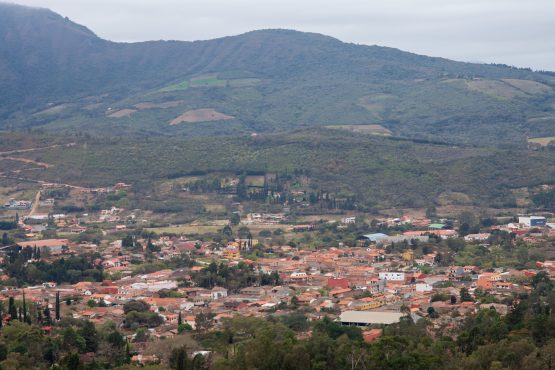
Culturally, Samaipata is largely Quechua. At one point, the city was the southernmost point of the Incan empire, with some 15% of the population still mainly speaking a Quechua dialect. The town’s name translates to ‘Rest of the Heights,’ and it is a small, picturesque town. A scenic road that runs along a beautiful river leads to the town centre, attracting Bolivians and tourists alike. The valley that surrounds it ranges between 1,600-1,800 meters above sea level, and has a fairly extreme climate. During the day the temperature is 25-30°C, dropping to as low as to 8-10°C during the night. This slows down the ripening of the coffee cherries, allowing the sugars of the fruit to concentrate in the flesh and bean, which in turn helps produce an incredibly sweet and complex coffee.
HOW THIS COFFEE WAS PROCESSED
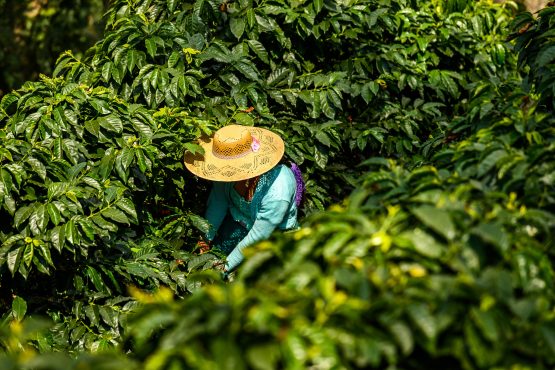
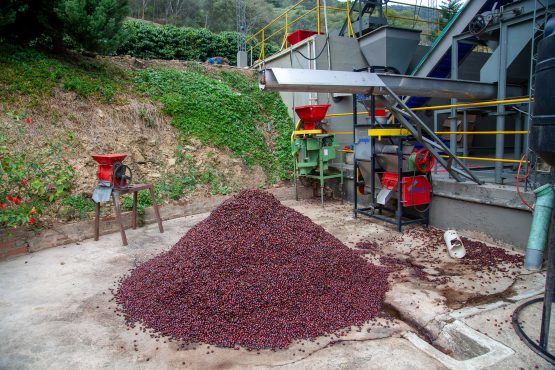
At all of the Rodríguez farms, Pedro hires pickers that are trained to select only the very ripest cherries, and multiple passes are made through the farm throughout the harvest to ensure the coffee is picked at its prime. The Rodríguez family has found that the very ripest (almost purple) cherries provide the best cup.
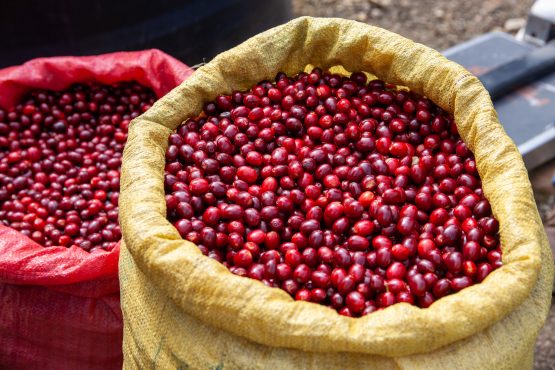
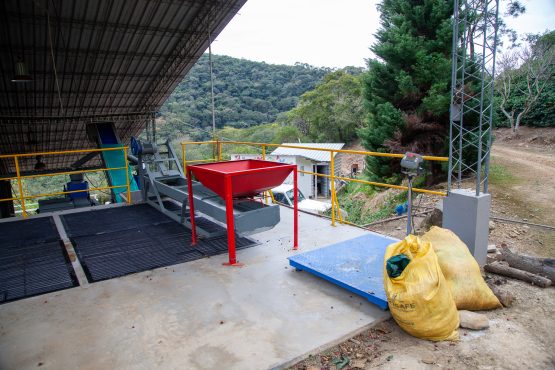
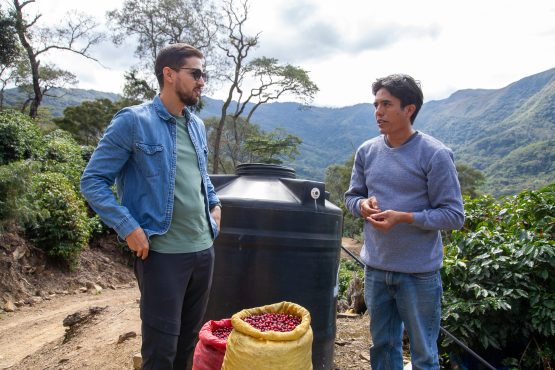
Pedro draws a lot of inspiration from the wine industry in his approach to coffee production, and is always innovating and trialling different processing techniques. This lot was processed with experimental techniques, part of the Rodriguez’ family’s long term strategy to achieve the greatest distinction and diversity in their special lots. As Pedro’s daughter, Daniela shares: “We’re keeping a registry of all the data we’re compiling, to use in the coming seasons. It includes information on the types of tanks used, bacteria and yeast activity, ambient temperature and weather conditions… we’re working hard to identify the ideal processing conditions for each variety and farm.” Watch the video below, to see how this coffee was processed:
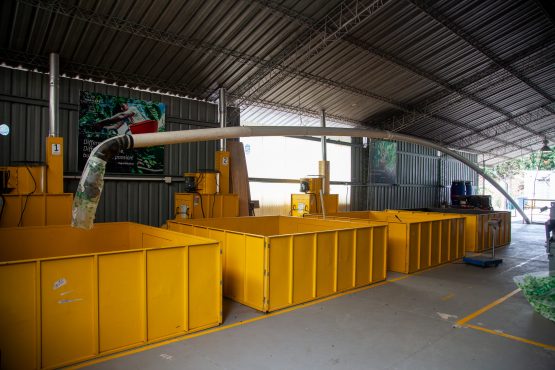
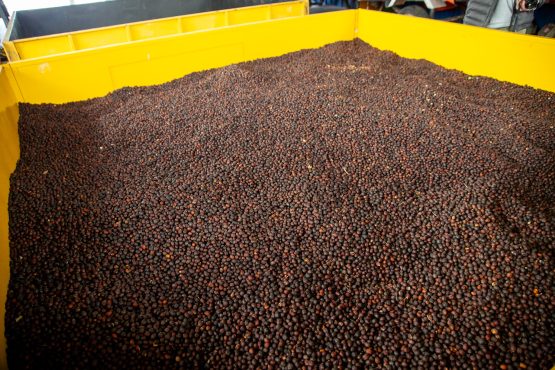
After being inspected and weighed, cherries were carefully sorted by weight using water, and floaters were removed. Following this, the coffee was disinfected, in a similar process used for wine grapes. Coffee was then carefully washed and laid out to dry for 48-72 hours, and then placed in one of El Fuerte’s ‘stationary box’ (or coco) dryers for two weeks.
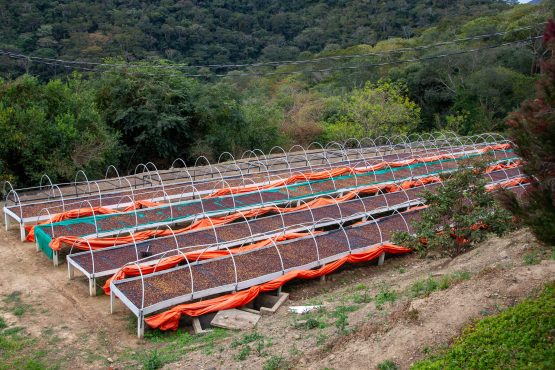
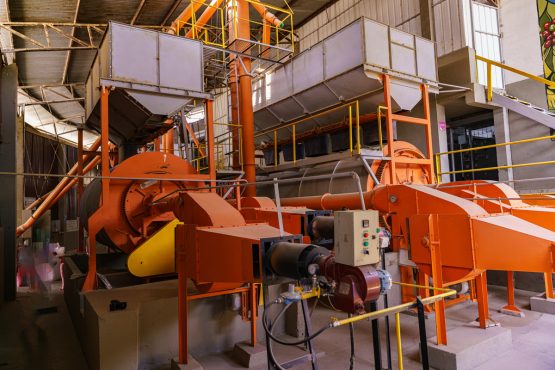
These boxes are series of steel containers that are typically used for drying peanuts, which earned their name for the deep red hue cherries turn as they dry, resembling cocoa pods. They use a gentle flow of warm air from below the coffee bed to dry the parchment slowly and evenly. Coffee was stirred manually at regular intervals to further ensure it dried at a uniform rate. The mostly dried parchment was finished off using a ‘guardiola,’ a horizontal, rotating drum that gets rid of moisture by creating a warm, consistent flow of air around the coffee, until it reached 11.5% humidity.
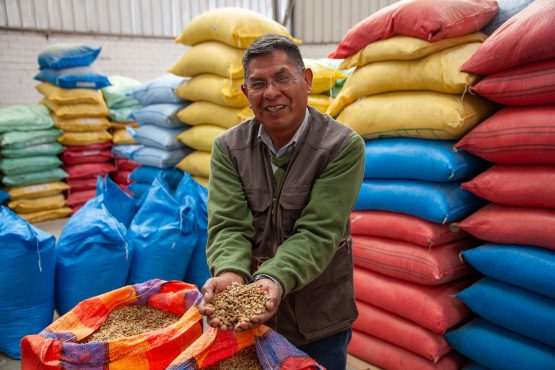
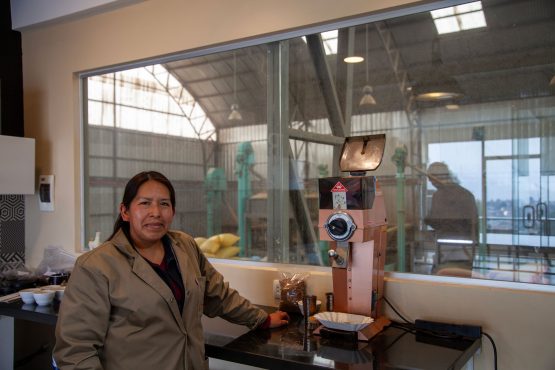
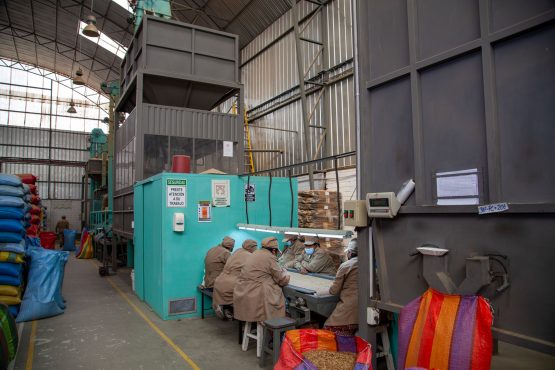
Once the coffee was dry, it was transported to La Paz where it was rested before being milled at Agricafe’s dry mill, La Luna. At this state-of-the-art mill, the coffee was first hulled and sorted using machinery, and then by a team of workers who meticulously sorted the coffee again (this time by hand) under UV and natural light. The mill is one of the cleanest and most impressive we have seen – you can read more about it here.