São Judas Tadeu Natural
Vibrant and juicy with great clarity of flavour. Pink lemonade and blood plum balanced by butterscotch.
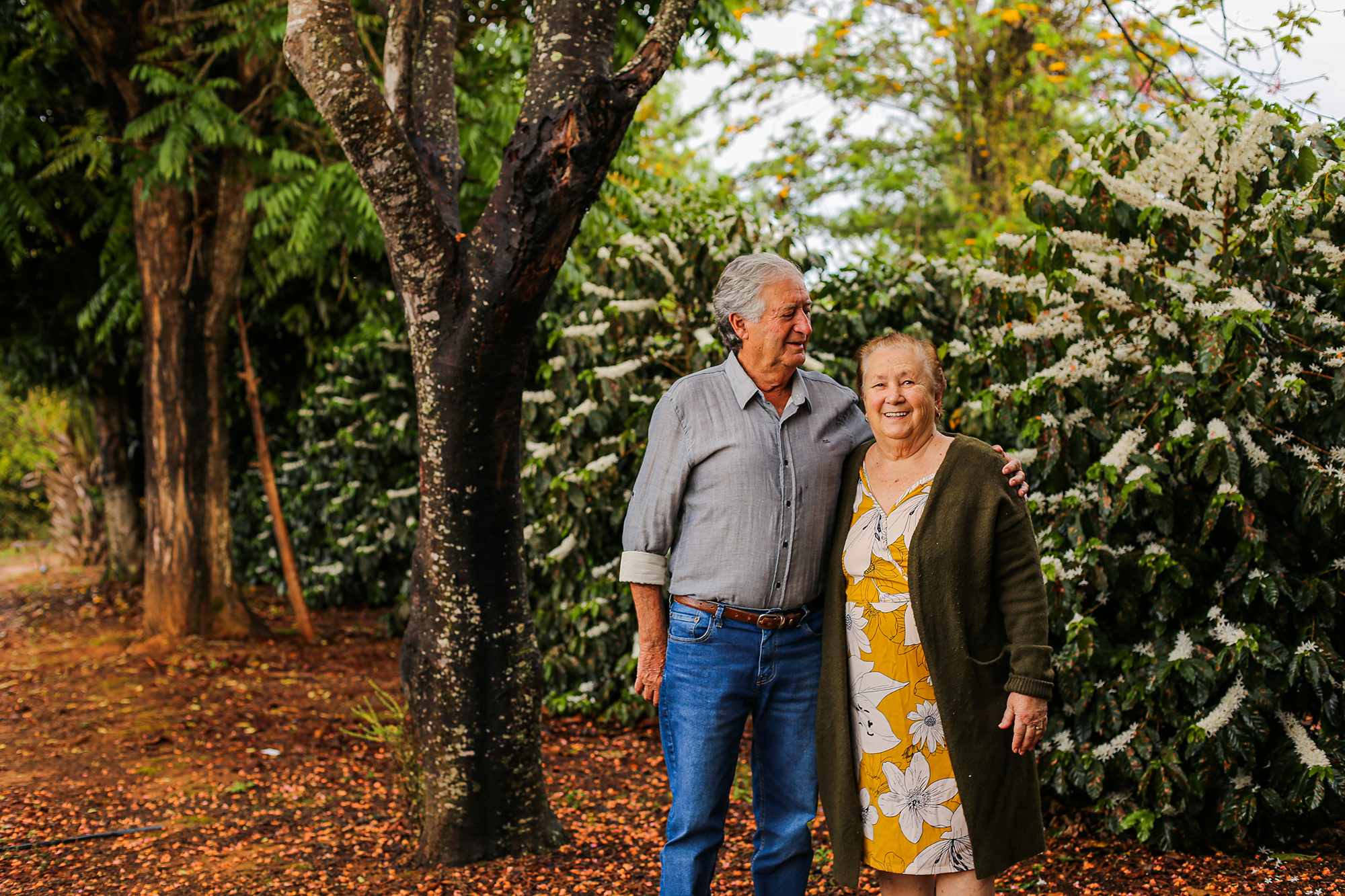
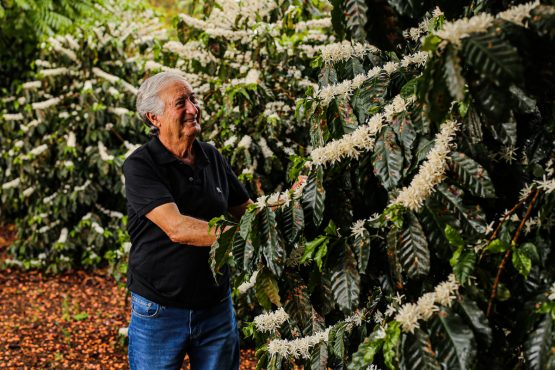
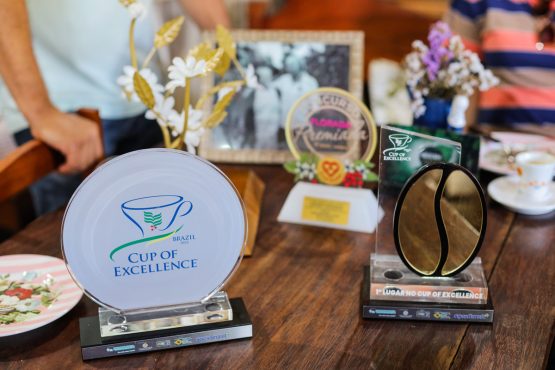
As one of Brazil’s most celebrated coffee producers, Antônio Rigno has played a pivotal role in elevating the name of his hometown of Piatã among the international coffee community. Even after 40 years of coffee production, 77-year-old Antônio continues to spend every day at São Judas with wife Terezinha (who is 80 herself) by his side, applying the meticulous and careful approach to harvesting and processing that shot their coffee to fame. Antônio often jokes that he must’ve been born under a coffee tree — something the numerous Cup of Excellence awards he has earned appear to confirm!
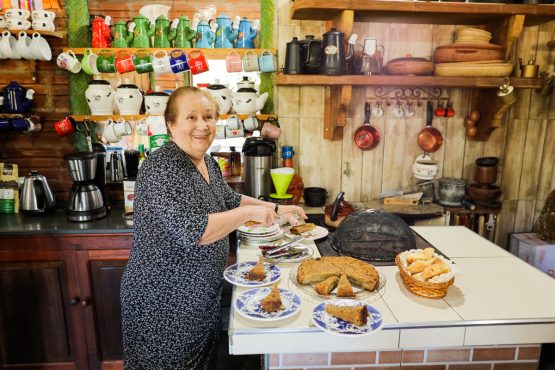
The accomplished couple now operate three farms with their two children and their families. Prior to coffee, Antônio was in the pharmaceutical business while Terezinha worked as a teacher and midwife in Piatã (where she has helped deliver over 125 babies!). Establishing São Judas came as a second career for the Rignos, and they’ve gone to great lengths to ensure it also becomes their legacy.
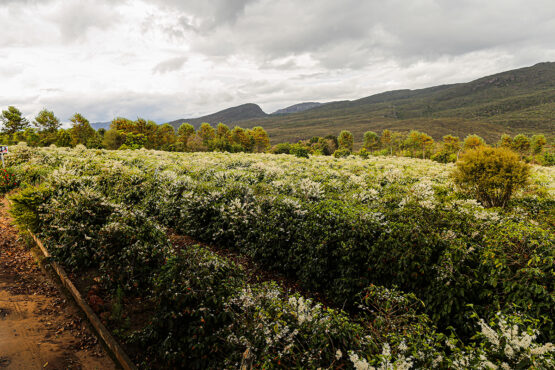
São Judas extends across some 60 hectares — with 15 of those under coffee — making it one of the larger estates in Piatã. The farm is mainly planted with Yellow and Red Catuaí, although Antônio has also planted Yellow Bourbon trees after trialling them successfully in recent years. The estate’s carefully executed renewal program is vital in ensuring trees remain healthy and full of energy. The series of measures involves pruning trees on a two-to-three-year cycle, depending on the weather and the current health of the estate. By pruning up to 50% of his crop at a time, Antonio ensures each tree receives plentiful nutrients and moisture from the soil, even during periods of drought (as occurred in the 2024 harvest).
This focus on sustainable farming practices is central to São Judas’ ethos. At the farm, Antônio keeps the use of chemical pesticides to a minimum and recycles coffee pulp to use as fertiliser. He has also planted numerous large shade trees around the farm, which prevent erosion and protect coffee trees from the sun. The estate’s irrigation system draws mineral-rich water from a well that Antônio received a special license to establish, and water usage is carefully monitored.
In 2022, the Rignos also installed solar panels, which have helped reduce ongoing operational costs. Additionally, the couple also farm citrus crops, with the rest of the property made up of natural forest, which Antônio both protects and extends by regularly planting new trees. To make the most of this land, the Rignos keep 100 cows for dairy production, using their manure as fertiliser.
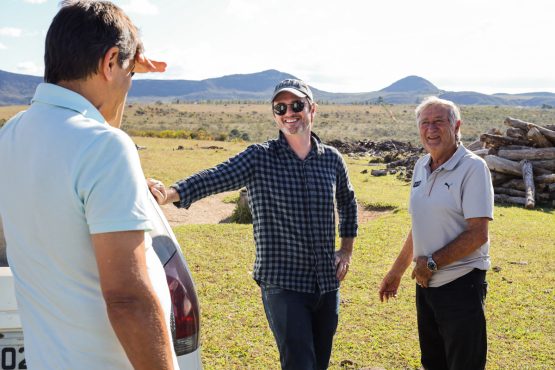
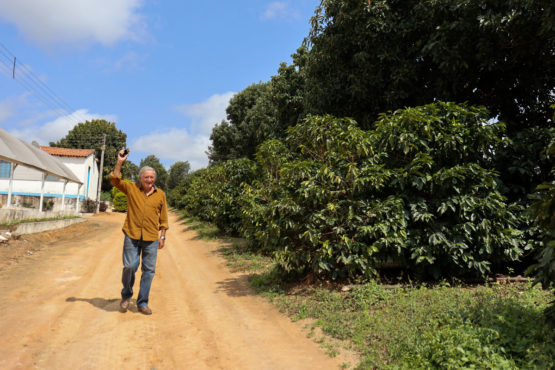
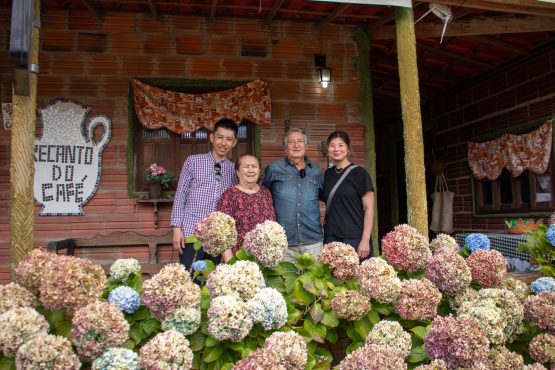
Even with the international acclaim the couple have received, Antônio and Terezinha remain important figures in the community of Piatã. The local clubhouse and small café they own in town (where their Cup of Excellence awards line the walls) often bring the region’s coffee producers together. Over the years, through working tirelessly to produce great coffees, the pair have gained extraordinary knowledge and expertise — which they now share generously with their friends and neighbours. By passing useful tips on with fellow coffee producers in the region, many have improved their agricultural practices and the quality of their crops, helping to strengthen the region’s reputation for excellence. The Rignos also graciously let many local farmers process their coffee at their wet and dry mill facilities in São Judas Tadeu.
Sharing his expertise gives Antônio a great sense of purpose and pride.
“There are no secrets” he explains to us. “Here, the people in Piatã are like my family. I want to help them produce great coffee. It’s my duty and my joy”.
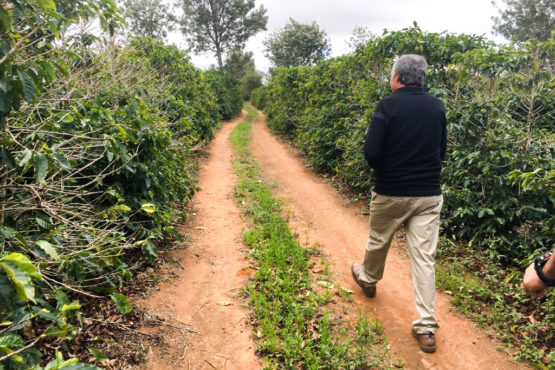
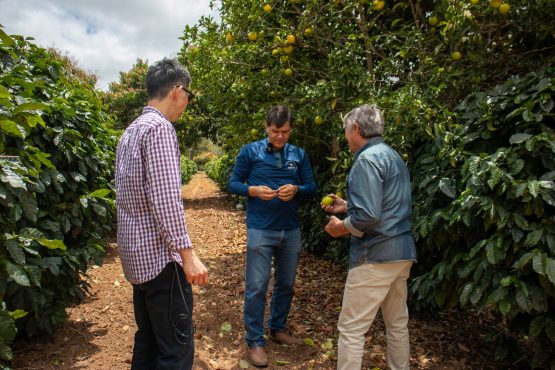
Antônio is mindful of and generous to his team and makes sure he always shares the fruits of his success. After placing in the 2011 Cup of Excellence competition, he purchased a motorcycle for each of his full-time employees. Most of his staff have been with him for over 20 years. “They are like family, and care as much as I do about quality,” he explained. “I am very lucky.”
They are also, Antônio claims, the secret to his success.
“Many people ask me how I have been so successful in the Cup of Excellence competition. The terroir is important, but the real reason is my people.”
Beyond São Judas, the Rignos and their two children also operate a handful of beautiful cafés across Piatã and nearby Vitoria da Conquista. Son Antônio Filho leads the roasting operation, while daughter Patricia helms the shops. The family’s passion for celebrating Piatã and its coffees has taken on a new life as a result, as their coffees are now enjoyed locally and internationally. We feel so fortunate to represent such storied coffees in Australia.
ABOUT PIATÃ
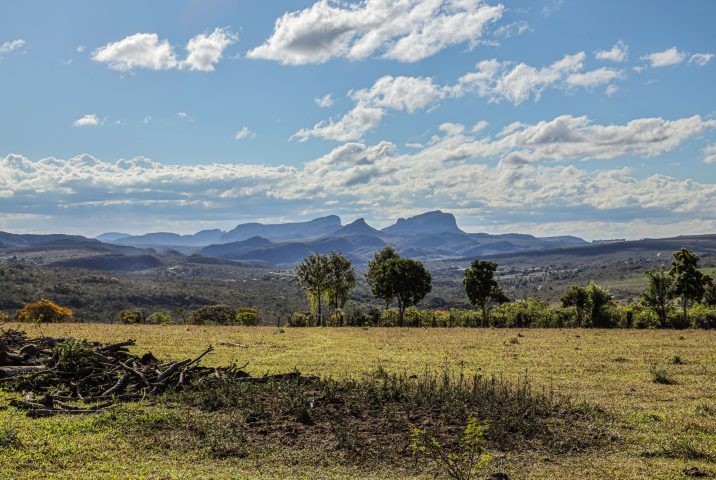
Located at the foot of the Chapada Diamantina mountain range, Piatã is a unique growing region in Brazil’s Bahia state. The coffees produced here tend to be floral, sweet and complex, and noticeably distinct from those grown elsewhere in Brazil. There are two main factors behind this: coffee grows at elevations of up to 1,400 meters above sea level, which is high for the country; and temperatures range from about 2°C to 18°C in winter, some of the lowest in Brazil. Combined, the high elevation and cool climate are key in slowing down the maturation of the coffee cherries, leading to an increased concentration of sugars in the bean. The result is a cup profile that is bright, transparent, and distinctive. Piatã’s relative proximity to the Equator line ensures the region’s coffee trees can experience such drastic conditions without being affected by frost, unlike other, more traditional coffee-growing regions in the country.
Piatã’s exceptional natural characteristics also contribute greatly to the coffees’ profile. In the distant past, the whole of Chapada Diamantina was completely under water, slowly eroding over millions of years — leaving behind soil that is nutrient-rich and slightly soft. This soil, along with the above-average local humidity, is home to a healthy and diverse ecosystem that includes some 1,600 individual plant species. While the highlands of Chapada are rugged and dry, the area surrounding Piatã is filled with streams, waterfalls and even swamps that, in most years, provide plenty of water for irrigation and agriculture.
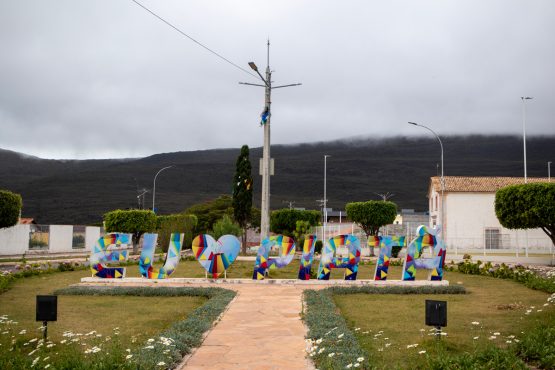
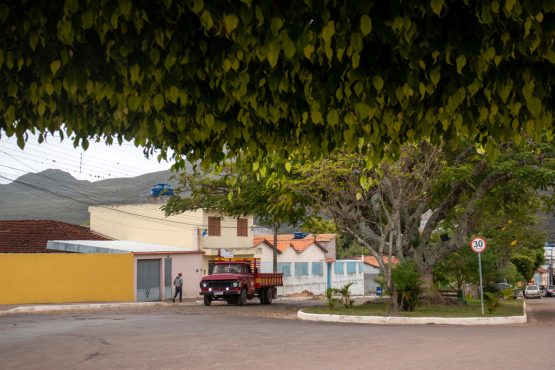
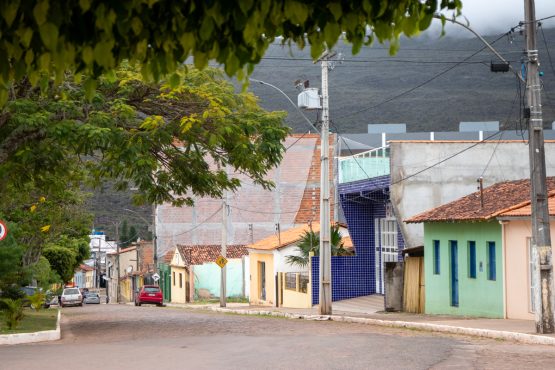
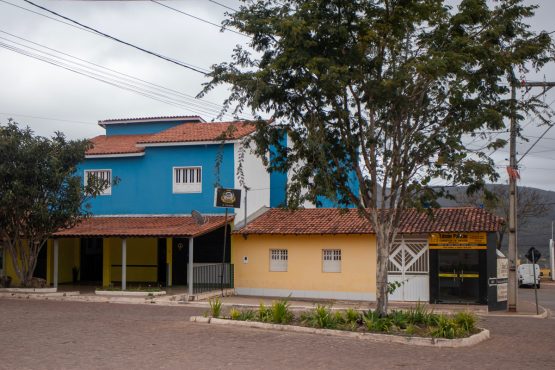
While coffee production is on the rise in Piatã, it is still very much a developing industry. Locally produced lots didn’t gain recognition for quality among Brazilian buyers until the 1990s. This recognition led to the establishing of the ASCAMP growers’ association in 1998, which was tasked with assisting growers who had land, but few resources. Over the next decade, cooperatives and other farmer groups were founded, playing a pivotal role in elevating the coffees grown and processed in the region. Piatã went on to be internationally recognised for its high quality in 2009, when five of the top 10 spots in Brazil’s Cup of Excellence came from this small corner of Bahia. The region’s dominance in the competition has continued every year since, particularly in 2016 when an astounding 19 of the 24 winning lots came from Piatã, and again in 2022, when 10 local winners were recognised! MCM has been sourcing coffee from this region since 2012, thanks to the support of longtime partner and coffee mentor Silvio Leite. Head here for more on Silvio and the incredible work he’s done in Brazil.
Part of what makes the Piatã region so special is that production is extremely limited, given the scale of the local estates. Farm sizes tend to be relatively small when compared to other producing areas in Brazil, usually just ten hectares or less in size, and are not visible when driving through the outskirts of town (unlike somewhere like Cerrado de Minas in Minas Gerais, where large estates make up most of the landscape). Most growers process their own cherry on site, sticking to traditional methods with little focus on experimentation, with the goal of processing coffee well and ensuring the final cup is sweet and clean. As many producers rely on coffee as their main source of income, simplicity and repeatability are prioritised. Great attention to detail is placed on the post-harvest work, as the region’s cooler temperatures and high humidity pose risks to the drying parchment. To prevent any potential defects in the cup, many local producers have built greenhouses and raised beds, to add a layer of protection without minimising the necessary ventilation for coffee to dry evenly and at a steady rate.
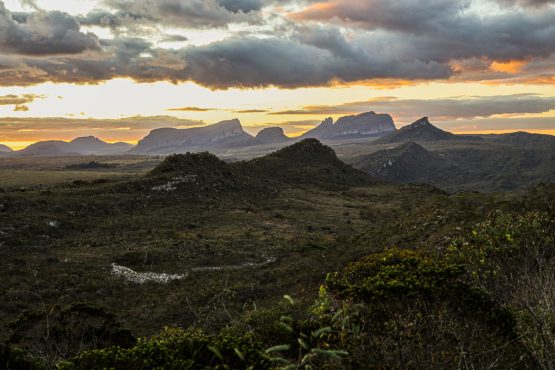
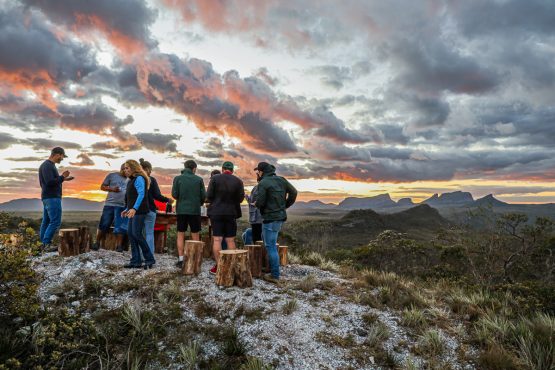
The region of Piatã is the traditional home of the Cariri and Maracá indigenous people, who were defeated during the Portuguese invasion of Brazil in the seventeenth century. While most of the remaining Cariri people were displaced to other regions within the state of Bahia, eventually joining other indigenous communities, the Maracás have a nearby municipality located at their historical capital city, named in their honour. The word “piatã” translates to “hard foot or fortress” in the indigenous Tupi language (which was spoken by most First Nations People along Brazil’s coast). Head here to learn more about beautiful Piatã.
HOW THIS COFFEE WAS PROCESSED
Antônio has invested in modern processing facilities, including a wet mill and both conventional and greenhouse patios. He ensures that his processes are reviewed and guided annually by technicians from AGRIPEC, an agricultural support community, and is highly attentive to new technologies and methods that will improve quality.
Each harvest, Antonio enlists the help of some 120 seasonal workers to pick fully ripe cherry (or as he calls them, “grape red”), by hand by undertaking two passes a day during the peak of the harvest. This job is mainly assumed by local women (called “panhadeiras de cafe”), who are extremely disciplined and ensure only the very best cherries are selected. Once harvested, cherries were then taken by tractors to the wet mill, which is located right on the farm, where a dedicated team of ten processed the coffee with great care.
“We treat every single lot like it has the potential to be a 90+ coffee”
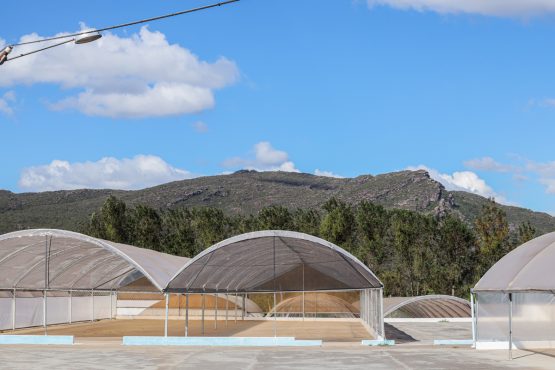
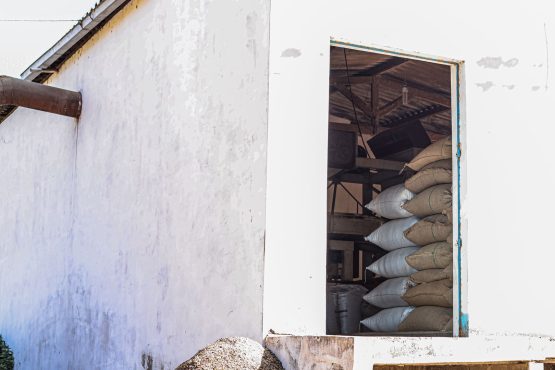
This coffee was naturally processed. Although Antônio has historically processed most of his coffee using the pulped natural method, he changed his mind after achieving spectacular results from a small trial natural lot in 2019. Cherries were washed gently and laid out carefully on patios to dry in the sun. They were raked several times a day to ensure they were drying evenly. Finally, the beans were separated into numbered lots, and later stored and rested in parchment in a purpose-built warehouse. They were then cupped for quality control prior to export.