Harvest Update: Bolivia
With its diverse array of microclimates and terrains, Bolivia is one of the most striking places we travel to every year. After spending a few days on the road and in the cupping lab with Agricafe’s Pedro, Daniela and Pedro Pablo Rodríguez, we’ve come away deeply impressed and inspired by their unwavering dedication to sourcing and producing the country’s most exceptional coffees.
Published 27 Jan 2026
For the first time since 2019, our latest trip to Bolivia began in Samaipata, where we were eager to see the changes the Rodríguez family had implemented at their four farms and wet mill in the region. Guided by Pedro Pablo Rodríguez, we drove through steep, rugged hills and stunning landscapes to reach the family’s Floripondio farm and El Fuerte wet mill. Here, manager Jair Gonzales gave us a tour of both, while Pedro Pablo explained the family’s new approach to coffee production in the region as a result of Samaipata’s changing climate and its effects on yields.
Most significantly, the Rodríguez family have begun prioritising the production of varieties like Gesha and Java over Caturra and Catuaí, since they perform exceptionally well in Samaipata, even while producing less fruit. They’ve also begun spacing trees out further, as this reduces the number of plants they have to feed and care for while increasing the number and quality of cherries the remaining trees grow. A new wet mill at Floripondio is also in the works, as the family intend to replicate what they’ve accomplished with their Caranavi processing site, Buena Vista. As one of the few regions in the world where wine and coffee can be produced side-by-side, Samaipata is quite unique and its potential enormous, which is why the Rodríguez family are adapting their methods to ensure their work here remains sustainable in the long run.
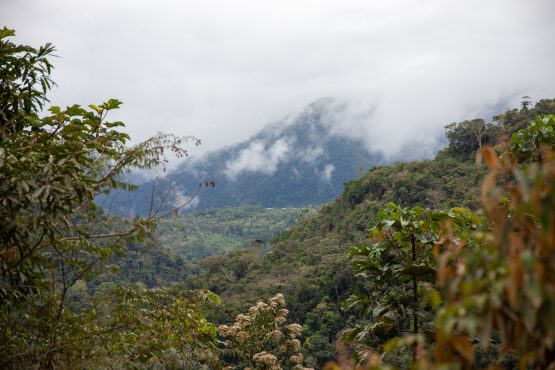
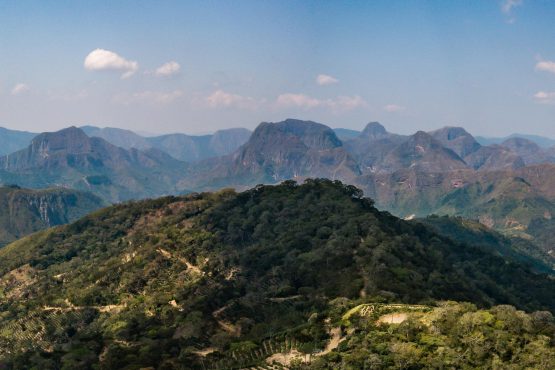
Samaipata’s jagged peaks stand in stark contrast to Caranavi’s lush, forest-covered mountains, our trip’s second stop. While our 2023 and 2024 visits were marked by hot, dry days, we spent most of our time in Caranavi under heavy fog and rain this year. This changed weather stretched the season out, as it slowed down the pace of the harvest (because cherries ripened at a steadier rate) and eased the workflow at Buena Vista (since the mill had enough space and equipment to handle nightly deliveries).
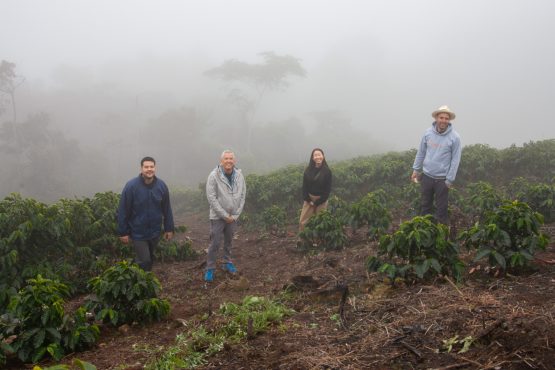
By and large, our most memorable moments in Caranavi took place while visiting Sol de la Mañana producers in Taipiplaya (like Víctor Quiñones and Miguel Zelaya) and Copacabana (like Julio Palli and Pedro Flores) with Pedro Rodríguez and agronomist Rodrigo Frigerio. As the founder of Agricafe, Pedro established many of the relationships that kickstarted the mentorship program, while Rodrigo spends most of his days visiting the various families it supports, and has gotten quite close to them and their stories in the process. For our team and the Sol de la Mañana producers we met, these visits were incredibly meaningful; everyone we spoke to was proud and excited to show off their beautiful farms, their upgraded homes, and their plans for the future. Growing coffee is arduous work, but as most farmers expressed, meeting the people who buy their coffee and learning about where it goes helps to ease the load.
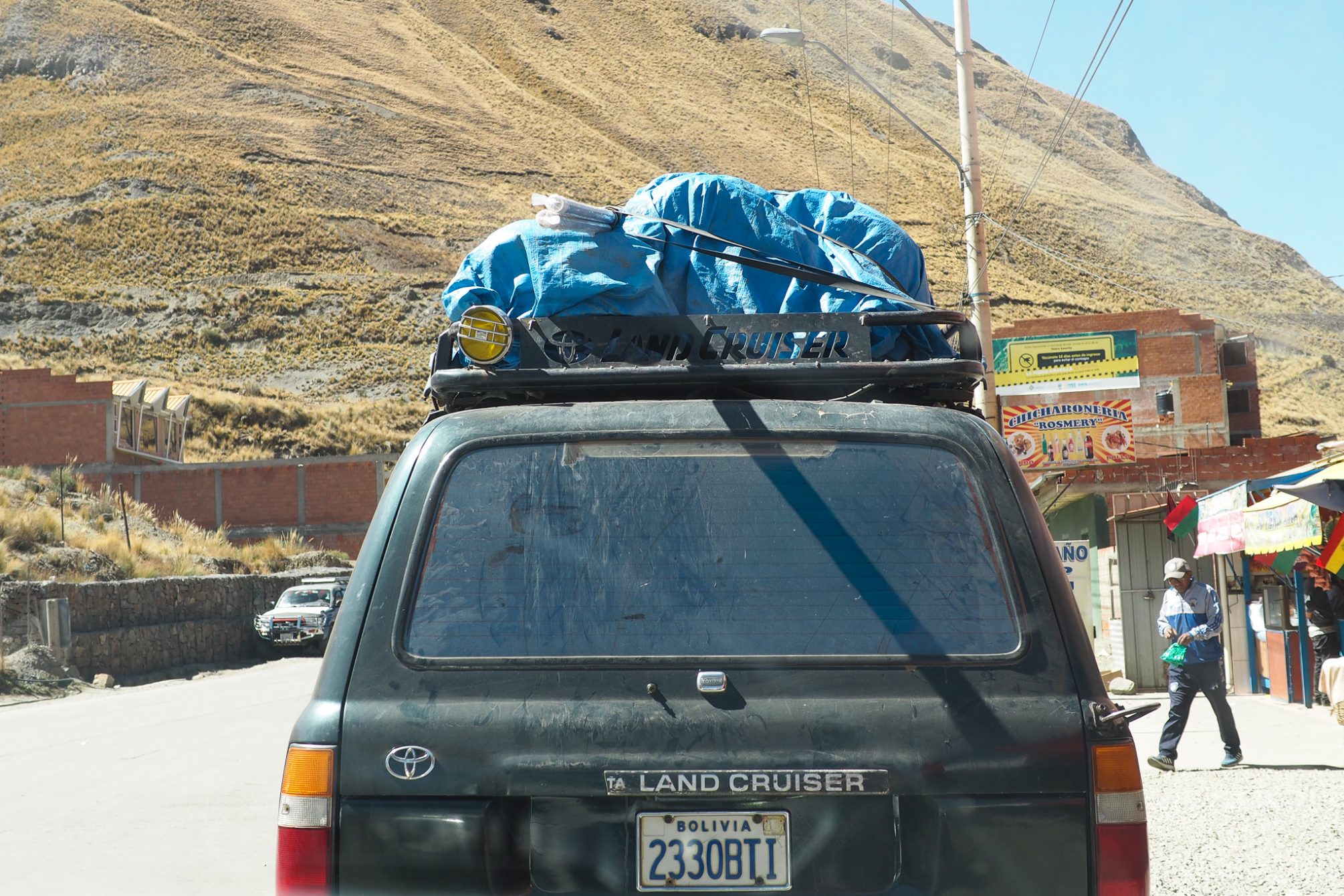
Between visits, talking to Pedro while on the road was an absolute delight. As a pioneer in Bolivia’s specialty coffee production and export, he is deeply committed to protecting and elevating the country’s privileged terroir. Although he doesn’t shy away from voicing concerns about the nation’s challenges, at the heart of it all lies a deep respect and admiration for the many farmers that care for and live off Bolivian land. And while the harvest was not without its complexities — caused by increased competition for coffee cherry, fuel shortages, and general rumblings surrounding recent presidential elections — Pedro and his children rose to the occasion, as they always do, to produce an exceptional line up of coffees.
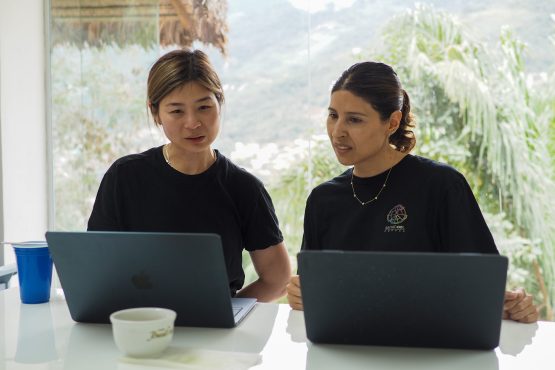
To do so, the family were assisted by Buena Vista manager Adrián Silva, who already worked his magic at the wet mill last year, and continued to tweak and perfect Agricafe’s processing practices to fantastic results. Led by Daniela and Pedro, cupping the 2025/26 harvest felt like a genuine celebration of Bolivia. Elegant and delicate coffees were balanced by intense sweetness, while more syrupy and rich lots were complemented by refined acidity and lingering florals. This season’s Bolivian offerings are well-structured and delicious, presenting a distinct taste of place; we can’t wait to share them with our roasting community!
Please note that, even after increasing our order year-on-year, much like last season, many this harvest’s offerings have already sold out. For our Bolivia purchasing, we rely heavily on customers sharing their purchasing intentions ahead of our trip — particularly for special preparation and rare variety nanolots, which are primarily sourced on a pre-allocated basis. The available line up is made up of coffees brimming with flavour and character, but if you’ve missed out on a preferred lot this year, we can include you on a wait list in case any of it happens to become available down the line. Communication is key, so please let us know if you’re keen to feature Bolivian coffees now or in the future, as it’s never too early to register your interest. Head to the offer list to learn more about the coffees, and reach out for samples.