Faustin Ribilimana
Well-structured and sweet with plum, Pink Lady apple and dark chocolate.
When we first cupped Faustin Ribilimana’s coffee in 2024, we knew we’d found something incredibly special, as it presented great complexity and clarity. Visiting him and wife Judith Kankera only confirmed our thinking, as their property is one of the best-kept farms we’ve been to in Rwanda.
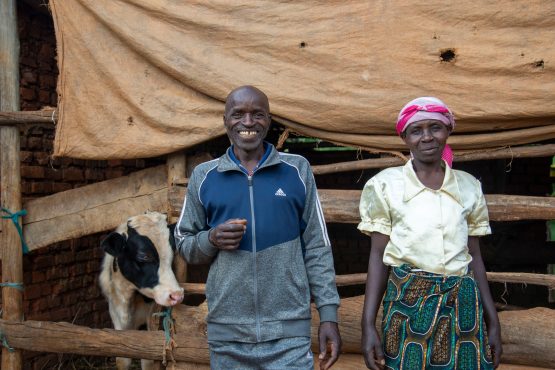
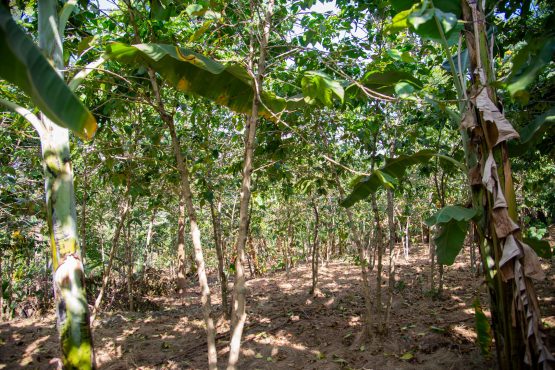
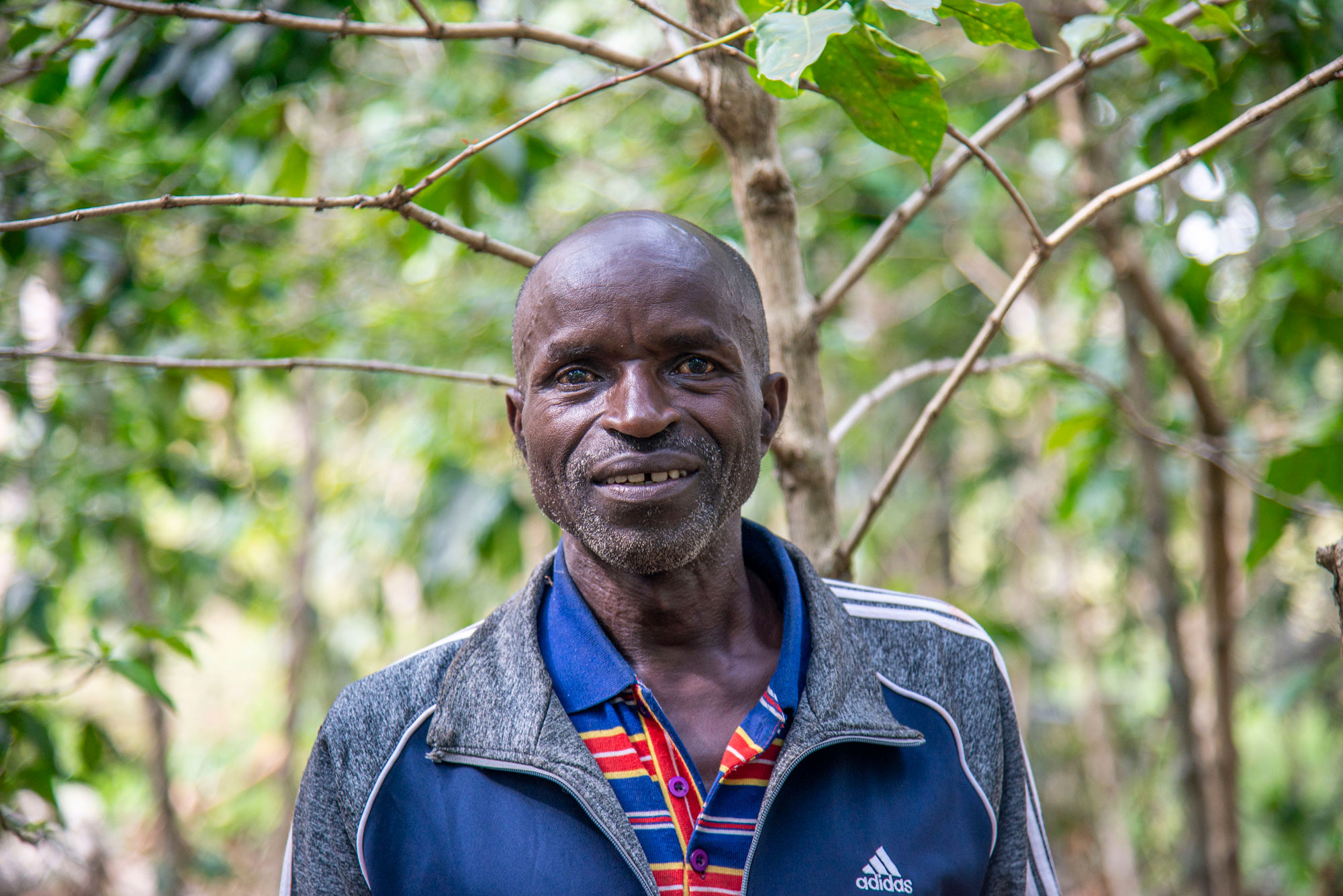
Having grown up as a member of a prominent coffee-farming family, Faustin Ribalimana has over four decades of experience and expertise in growing coffee. He inherited his first plot of land from his parents, and eventually expanded the number of coffee trees he cares for to another, separate property. Together with his wife, Judith Kankera, he established his home here and eventually raised six children. His goal is to continue expanding the number of trees he keeps until he reaches 2,000, and to be able to deliver 10 tonnes of cherry to the co-op. Coffee is the family’s primary crop and main source of income, as he put it recently, “When I receive the payment from the coffee, it comes as heavy saving that I can use it to invest in other activities like building my house and educating my children.“
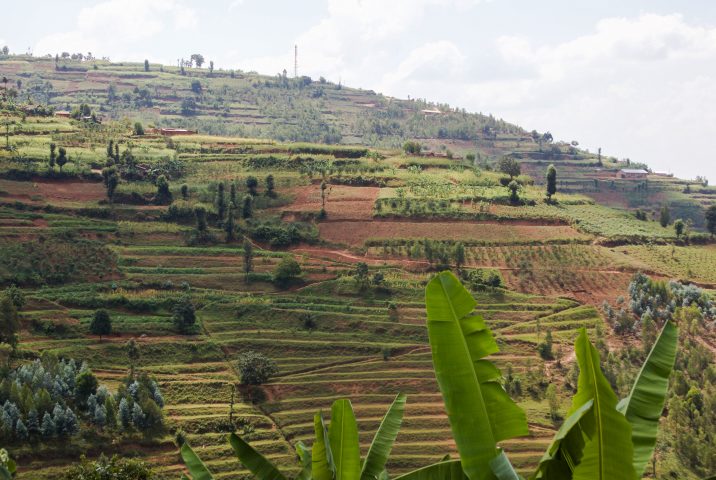
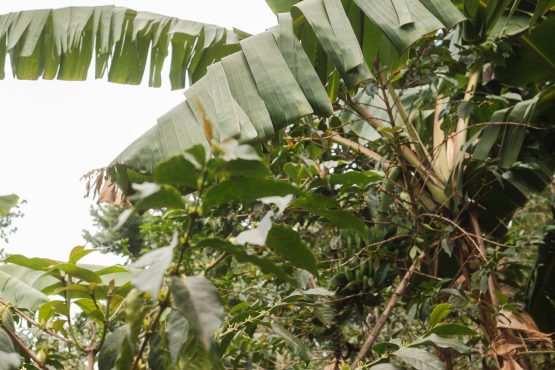
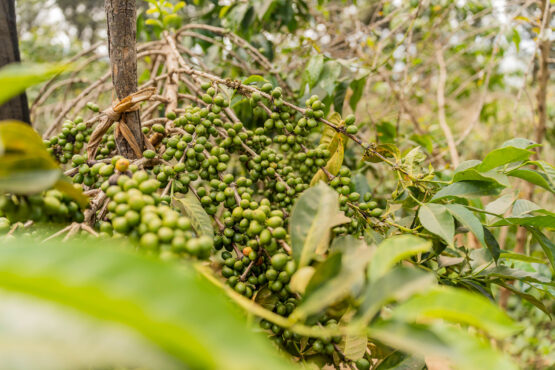
A quiet and methodical man, Faustin is meticulous in his practices, which he learned from Dukunde Kawa’s team of agronomists. All trees are planted 1.5 x 2.2m apart, to maximise the number he can fit on the property. Taro and squash grow between coffee trees, providing important ground cover, and banana trees provide plenty of shade. Weeding is done throughout the year, with all mulching and fertilising done by hand. Excess and unhealthy branches are removed after the harvest, as Ribalimana has found that this helps keep coffee leaf fungus at bay. On the property, the family also grow beans and maize — both for their own consumption and to sell at the local market.
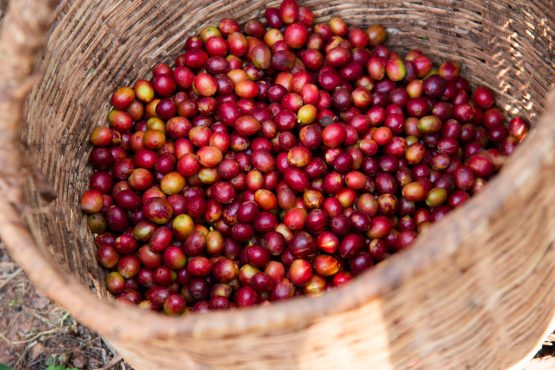
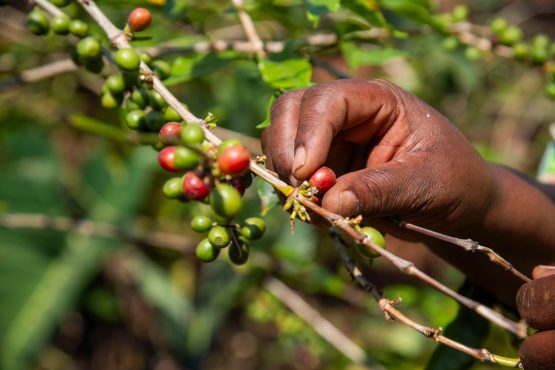
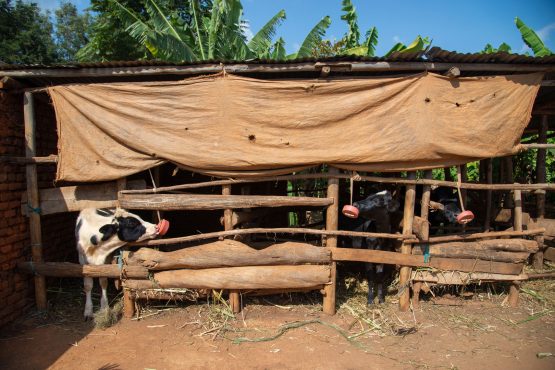
Faustin has been a member of Dukunde Kawa Cooperative since 2003, and he’s delighted to share how being a member of the co-op has benefited him and his family. On delivery of his cherry to Ruli washing station, Faustin receives a fair and competitive price for his crop. In 2010 he participated in a cooperative led program that gifted cows to farmer members, with the family acquiring their first cow that year. They now cares for two cows (their original cow had two calves, but Faustin generously gave one away to a neighbour), who provide them with milk and manure to be used as fertiliser. Dukunde Kawa also trains farmers like Faustin on ways to mitigate the impacts of climate change (like the hailstorms they endured in 2023) and when they meet, members have a chance to network and offer each other support.
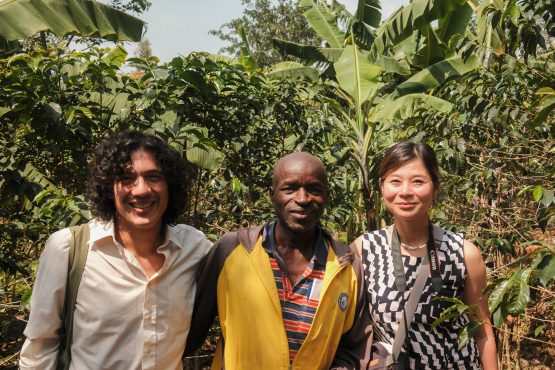
On our most recent visit, when we asked Faustin if he had a message for the Australian and Thai coffee community, after we sourced his coffee for the first time in 2024, he told us, “Please keep loving our coffee, please keep consuming our coffee. It is a way of life that we are producing for you. So, we shall keep providing the same quality and the good coffee that you know and love.” Faustin was delighted when we left him retail bags of his own coffee; when we read the tasting notes customers had written for it out loud, he replied, “I know now the taste, so I will keep making it better. I will keep applying all the best techniques to make it more tasty and delicious.“
ABOUT RULI WASHING STATION
Ruli washing station was the first site established by Dukunde Kawa, back in 2003. It remains the main centre of operations for all of the cooperative’s activities, serving as the head office for the cooperative’s management team, who can often be seen buzzing about the property during the harvest.
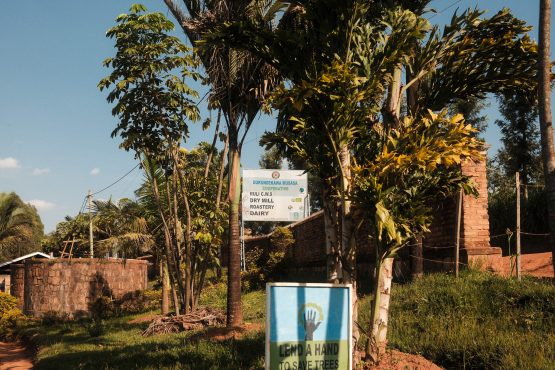
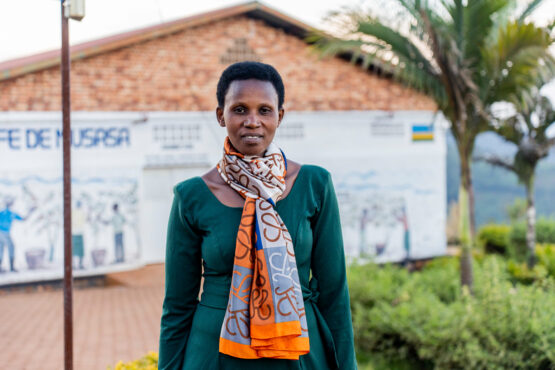
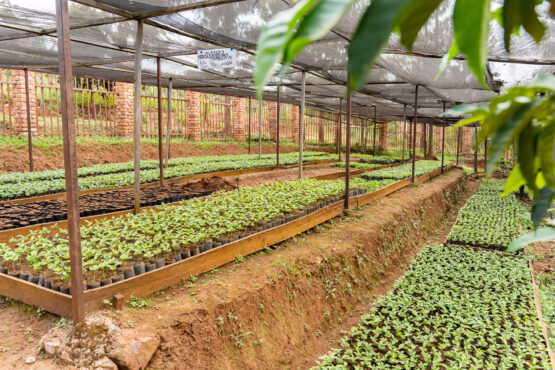
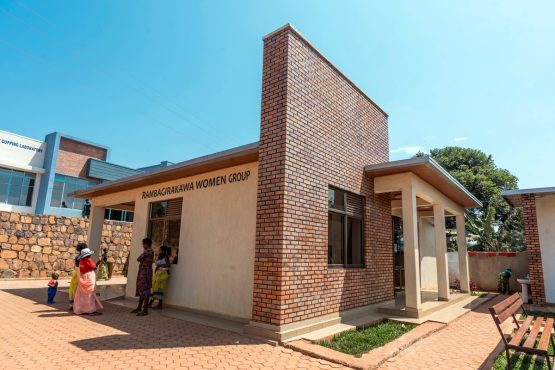
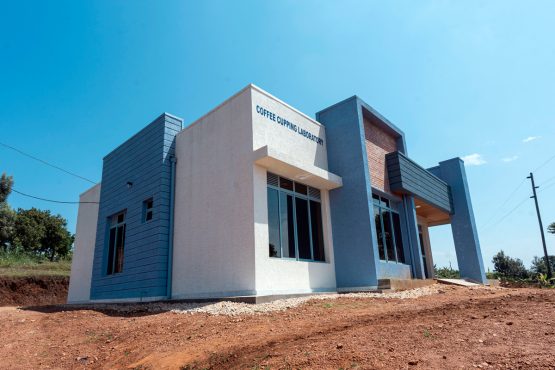
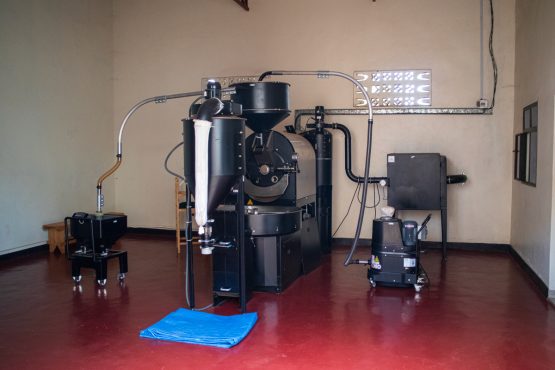
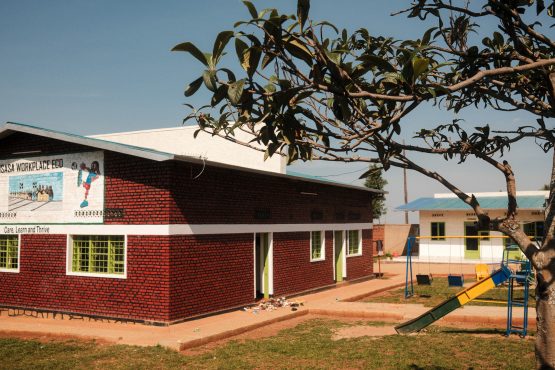
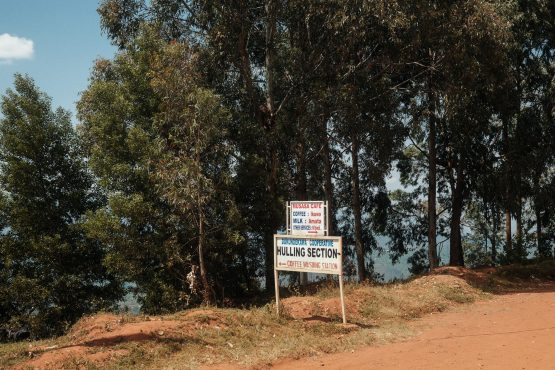
In addition, the site is home to the Rambagirakawa Women Alliance’s community building and the newly-built Musasa Early Childhood Development Centre (Musasa ECDC), along with Dukunde Kawa’s cupping lab, nursery and model farm. Recently, the cooperative decided to expand their business by establishing a commercial roastery at Ruli, that supplies coffee to restaurants and hotels across town. Because the washing station is so central, Dukunde Kawa have also opened a café here, which sells the co-op’s coffee and locally baked goods. Recognising it has potential to service many members of the community, the cooperative is also hoping to establish their own bakery, to be run by youth who are part of the co-op.
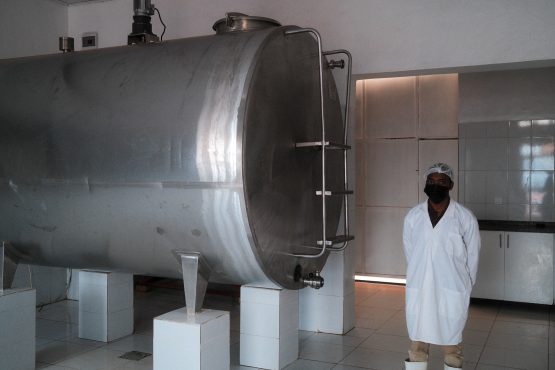
Ruli is also where Dukunde Kawa’s dairy is located. Over the years, Dukunde Kawa have provided many of their member farmers access to their own cows, which are an important asset to a farming family. Culturally, they are seen as a symbol of wealth and status in Rwanda; practically, they provide milk and yoghurt to feed the family, produce excellent manure for the coffee farms, and create an opportunity for additional income. Having recently upgraded their largest pasteuriser from a 500L machine to one that can process 5,000L, Dukunde Kawa have been able to expand their operations at the dairy factory and take on a contract with a distributor who works throughout all of Rwanda and its neighbouring countries.
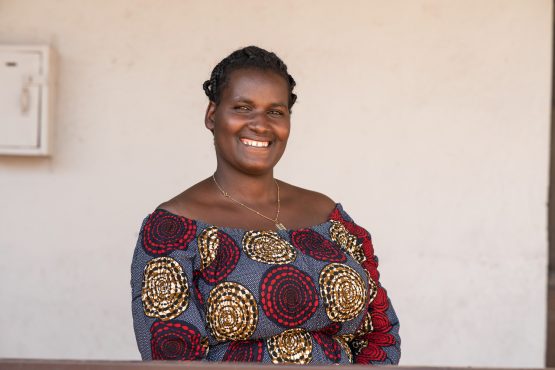
Over 2,000 farmers deliver cherry to the washing station throughout the season. Quality control at Ruli is overseen by Emerthe Mukamurigo, who has held this position since 2014, while day to day operations are managed by Philomene Nyirabantu, who has been a co-op member and part of Ruli’s full-time staff since 2004. In the twenty years she has been employed by the cooperative, Philomene has worked both as a drying officer at Ruli and as a field officer (she completed her studies as an agronomist in 2011), supporting member farmers in improving the quality and volume of their crop. Since 2022, Philomene has managed production at Ruli, earning the title of Station Manager in 2025.
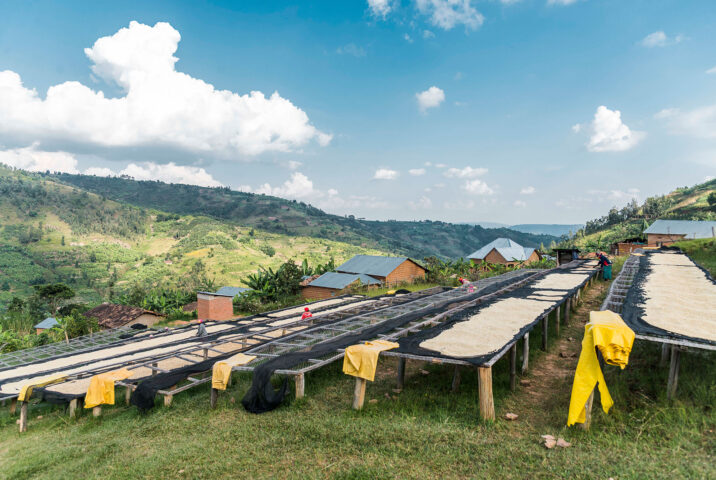
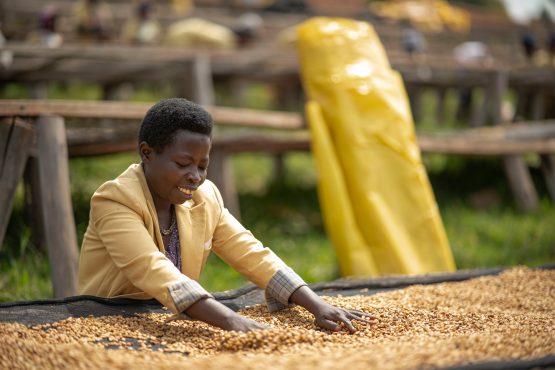
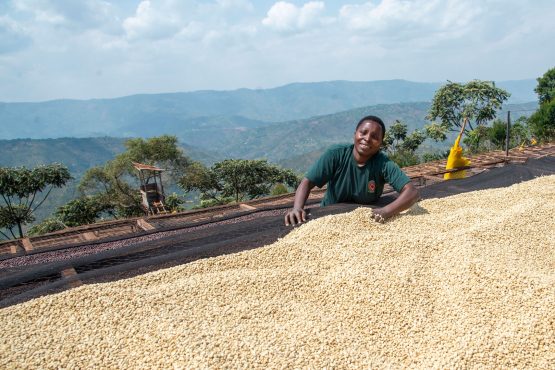
During the harvest, Philomene is assisted by Dative Niyifasha, who supervises sorting and drying. There are a whopping 250 drying beds at Ruli, which require constant oversight. Dative has also been a cooperative and staff member since 2004, having transitioned from working with farmers on the field in 2017 to become a drying officer at Ruli. Both Philomene and Dative deliver coffee to be processed at Ruli and are members of the Rambagirakawa Women’s Alliance (Dative’s youngest is also a student at Musasa ECDC). The pair manage Ruli’s team with positivity and confidence — the pace at a processing site of this size can be relentless during the peak of the harvest — relying on their two decades of experience with Dukunde Kawa to continually encourage the washing station’s staff.
Ruli is Rainforest Alliance certified, UTZ certified, and Fair Trade certified. These certifications help the growing cooperative find different markets for the coffee. “We were already doing a lot of the things that were required for these certifications”, Isaac (the executive secretary of the cooperative at the time) explained, “We are always trying to be the best cooperative we can be. Getting the certifications has helped highlight what we are doing well and helped us raise our standards in other areas.”
Head here to learn more about the work of Dukunde Kawa in Rwanda.
PROCESSING AT RULI WASHING STATION
The team at Dukunde Kawa takes a huge amount of care in processing its coffee. All members of the cooperative are trained to only select ripe coffee cherries from their trees.
- On delivery, the cherries are inspected and sorted by hand to ensure only the very ripest cherries are processed. Farmers do the selecting, and receive the highest income from the ripest, healthier fruit. The remainder of their crop still gets purchased by the co-op, at a lower price, to be processed and sold for the internal market.
- Cherry is then sorted by weight using a Pinhalense machine, with any floaters are removed. By using a machine, rather than a clerk, Dukunde Kawa are more transparent with contributing growers about which fruit gets processed. Coffee is then depulped using a mechanical pulper that divides the beans into three grades by weight, with the heaviest, A1, usually having the highest cup quality.
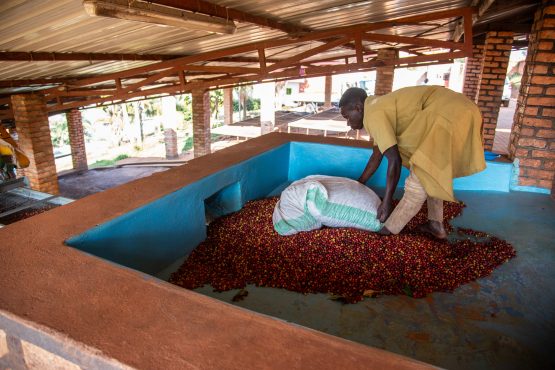
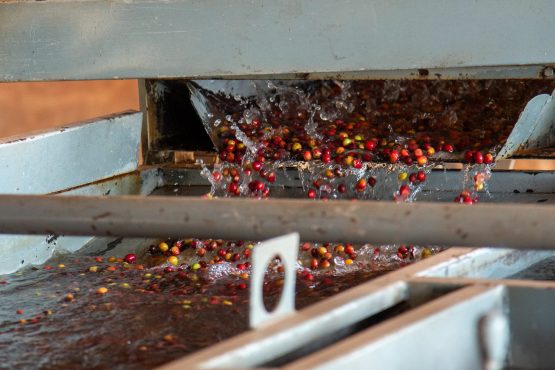
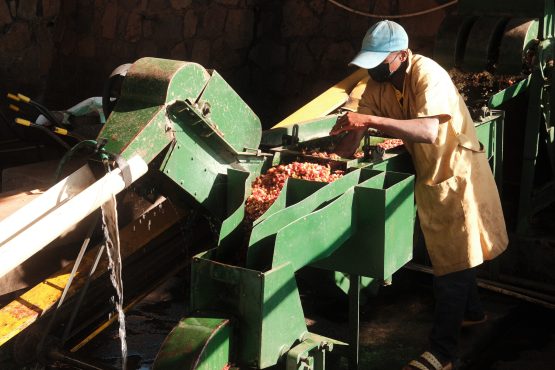
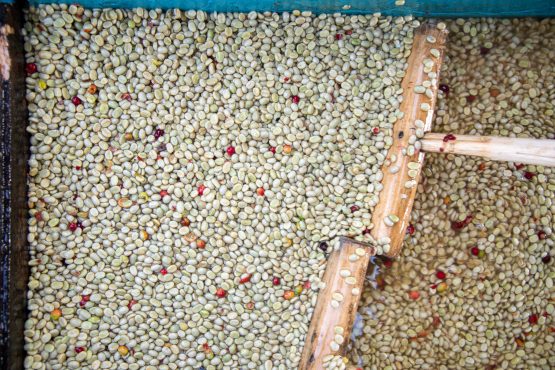
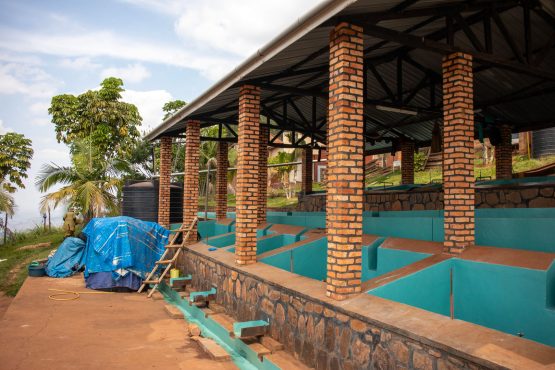
- After pulping, the coffee is pre-washed, graded again using floatation channels that sort the coffee by weight, and left to ferment overnight for around 12–18 hours. The following day, wet parchment is the washed a second time and left to ferment for a further six hours — with the goal of removing as much mucilage as possible without using machinery that may accidentally crush or damage the beans.
- As with most washing stations in Rwanda, women do the majority of hand-sorting. This takes place in two stages – on the covered pre-drying tables and on the drying tables. Washed beans are moved from the wet fermentation tanks onto the pre-drying tables, where they are intensively ‘wet sorted’ under shade for four hours. The idea is that greens (unripe beans) are still visible when the beans are damp, while the roofs over the tables protect the beans from the direct sunlight.
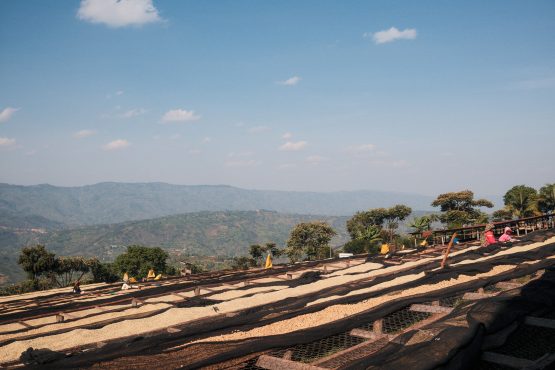
- Next, the beans are moved onto the washing station’s extensive raised drying tables for around two weeks, where they are sorted again for defects, turned regularly and protected from rain and the midday sun by covers, ensuring both even drying and the removal of any damaged or defective beans. During this period the coffee is also turned several times a day by hand to ensure the coffee dries evenly and consistently.
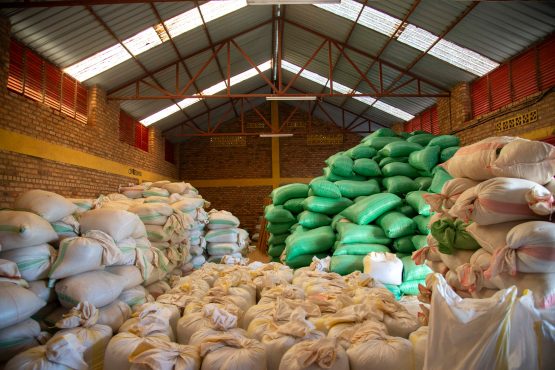
- After reaching 11-12% humidity, the coffee is then transported to Dukunde Kawa’s purpose-built warehouse prior to final dry milling and hand sorting at the cooperative’s milling facilities.
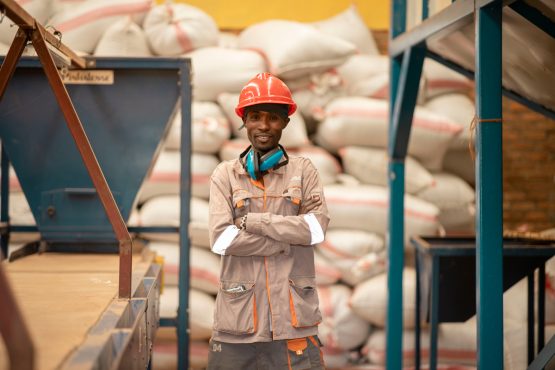
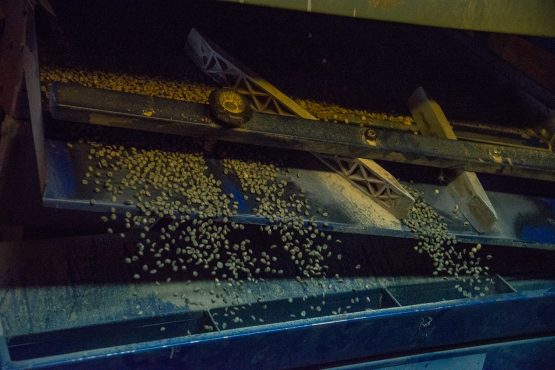
- Located in Ruli, Dukunde Kawa’s dry mill has the capacity to process one full container of coffee a day — and combines the use of technology with meticulous hand sorting to ensure only the best beans are bagged. Before being loaded for export, Rwanda’s National Agricultural Export Development Board also inspects and samples the prepped parchment.
WHY WE LOVE IT
Most of the coffees we source from Rwanda are traceable back to a washing station, or sometimes a farmer group, so we feel extremely fortunate to be able to share this special lot from Faustin Ribalimana and wife Judith Kankera, thanks to the work of Dukunde Kawa. Washing stations in Rwanda receive cherry from hundreds (and sometimes thousands) of farmers who own very small plots of land – on average less than a quarter hectare, with just 300-600 coffee trees. Separation of such tiny lots is expensive and impractical, so the large majority of coffees are processed as a mixed lot from multiple producers. Typically, lots are separated as day lots (ie. cherries that were all picked on the same day) rather than by a single farm or producer group.
Single producer microlots like this one are not very common in Rwanda. In this case, it is made possible due to the size of Faustin’s farm, which slightly bigger than the average farm, totalling 1,430 coffee trees across two parcels of land, which yield him around 4,000kg of cherry per year. Ribalimana also benefits from being a member of the Dukunde Kawa Cooperative, who have recognised the excellent agronomical practices he follows and consider him a role model to neighbouring farmers. Because the co-op also operate their own dry mill, they can process smaller lots individually, whilst minimising cost and maintaining excellent quality standards. We hope to continue buying his coffee in the years to come, because we love its lifted and delicate profile, its caramel sweetness and notes of orange blossom and red grape.