Gutiérrez Family
Vibrant mandarin orange with yellow nectarine and pecan praline sweetness. Great clairity and balance.
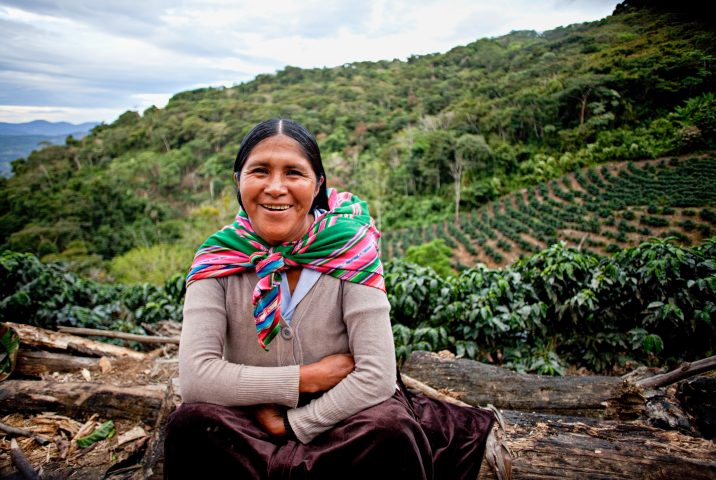
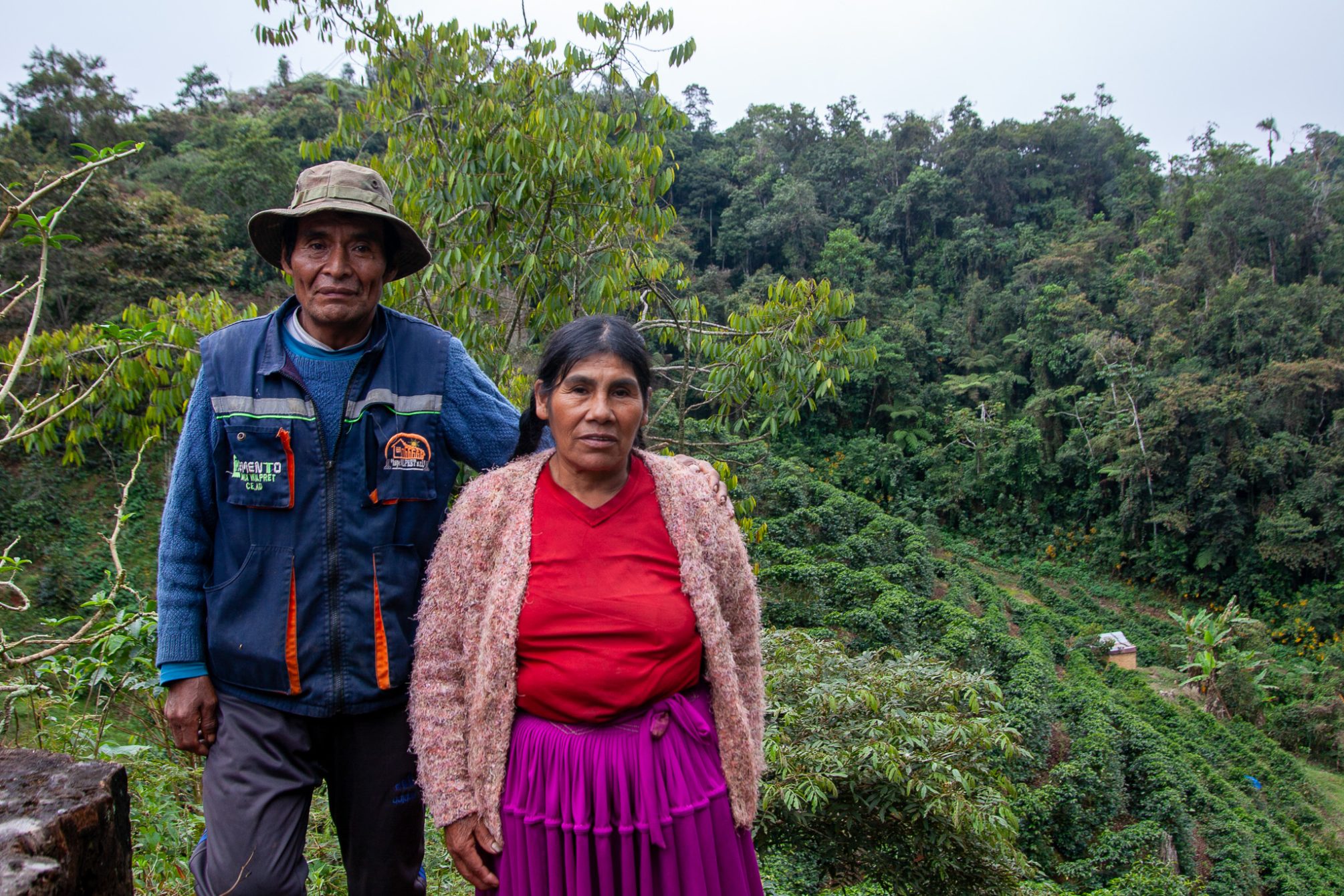
This special microlot was produced by the influential Gutiérrez family in Taipiplaya, a remote township on the outskirts of the Caranavi province. The couple are leaders amongst the region’s coffee producers, as they have played an important role in them embracing the production of specialty coffee by adopting better farming practices.
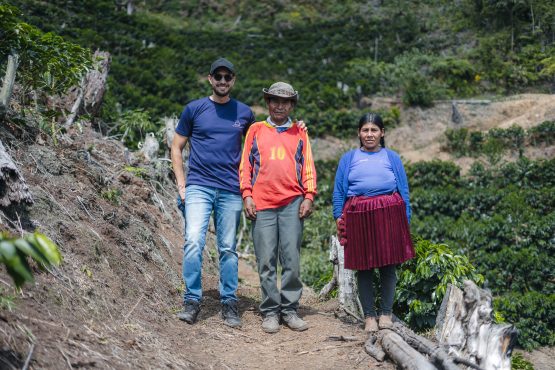
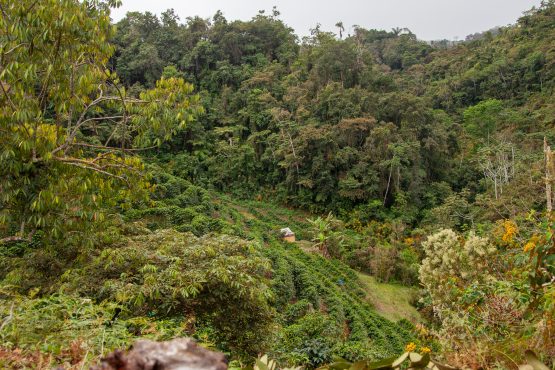
Don Paulino Gutiérrez lives with wife Mercedes Ramírez and their seven children on Finca Gutiérrez. Don Paulino spent years growing and selling coffee cherry to the local market, only learning about Agricafe Bolivia and the Rodríguez family through his neighbour Wilfredo. Founded by Pedro Rodríguez, who is now supported by daughter Daniela and son Pedro Pablo, Agricafe works tirelessly to build the production of, and market for, Bolivian specialty coffee, through the family’s 12 farms in the regions of Caranavi and Samaipata (known as ‘Fincas Los Rodríguez’) and through Sol de la Mañana, a mentorship program that has helped hundreds of local farmers recognise and realise the potential of their land and crops.
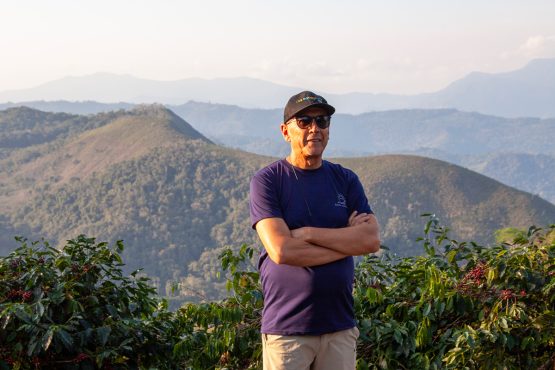
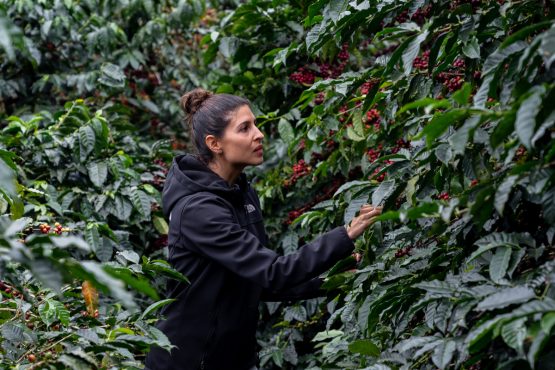
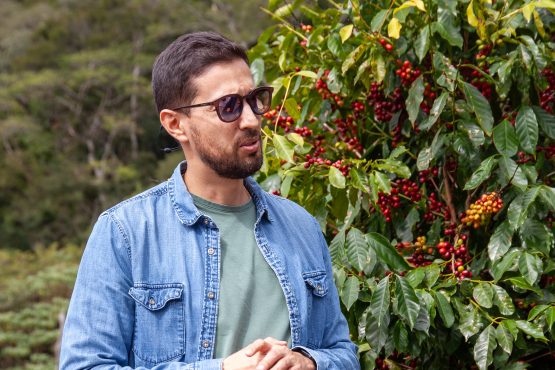
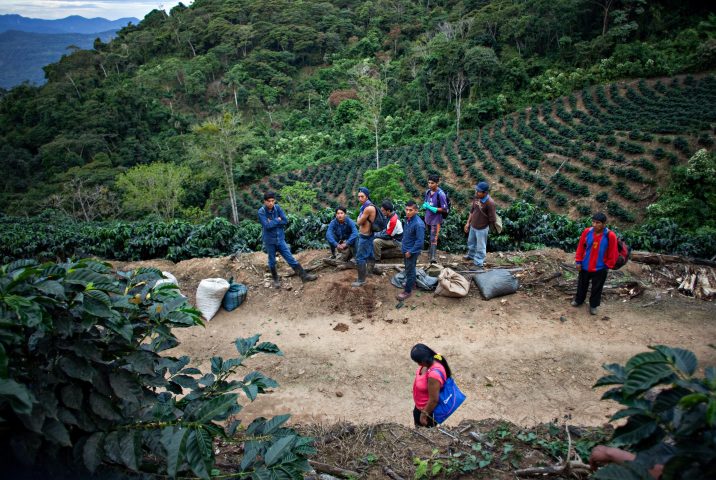
When he first began working with Agricafe, Don Paulino would hand his crop over to Wilfredo, who would embark on the long, three-hour journey to their Buena Vista wet mill each night to sell cherry on their behalf. As he became more curious of Agricafe’s work, Paulino decided to visit many of the farmers who are part of the Sol de la Mañana agronomy program in nearby Copacabana, witnessing first-hand how neat and orderly their plantations were, and getting a better understanding of how transformative the initiative could be.
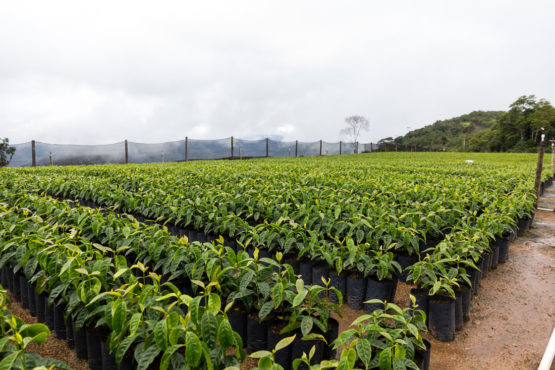
The Sol de La Mañana program is set up as a ‘school for producers,’ starting with the basics. Bolivian terroir has great potential for productivity and excellent cup quality, but a lack of infrastructure, government support and agricultural training has resulted in a weak and unproductive coffee sector. To combat this, the Sol de la Mañana curriculum focuses on one aspect of farming at a time and covers things such as how to build a nursery, how and when to use fertiliser, how to prune and how to selectively pick. Since the initiative’s first year of operations in 2014, when the first 10 producers enrolled, Sol de la Mañana has grown to support over 100 coffee-growing families, who have seen the quality and yields of their crop increase significantly, leading to better incomes and greater financial security for producing families. Watch the video below to learn more about the program’s history:
Excited and inspired by what he saw, Don Paulino reached out to the Rodríguez family to enrol in the program, telling them that he “wanted our farms to look as beautiful as the ones I saw [in Copabacana]. We want to learn because every year, our yields decline further, and we’re growing concerned.” The Gutiérrez family went on to become the first Sol de la Mañana representatives in Taipiplaya in 2018, sharing what he was learning with his neighbours, like Víctor Navarro and his family, in hopes they would also join.
Today, the family are regarded as pillars of the local coffee community. When we last visited, we noticed neighbouring farmers stopping by to chat to Paulino and Mercedes. The couple are originally from Cochabamba, Bolivia’s culinary capital, and after welcoming us to their property they surprised us with a delicious lunch overlooking their plantation. Typically, on our farm visits, we spend time walking through the fields and learning about agricultural practices followed; but in this case, we shared a meal and listened to the couple talk about how much they’ve accomplished since joining Sol de la Mañana. When we asked Paulino what his greatest achievement had been, he told us he was, “Grateful to the program, because thanks to it my children have been able to study. And we thank you for coming to visit us, for taking the time to learn how we work and how we live.”
Head here to learn more about the wonderful Sol de La Mañana program, and here to learn more about the incredible work the Rodríguez family and Agricafe are doing in Bolivia.
ABOUT TAIPIPLAYA
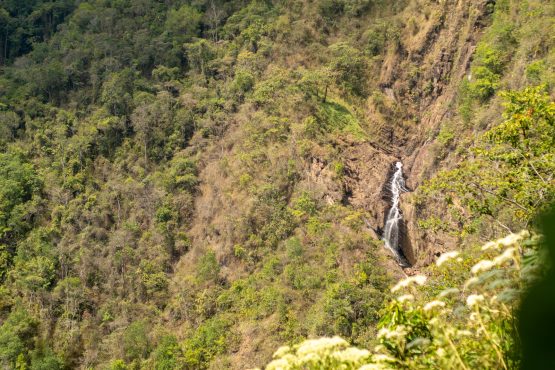
Taipiplaya is a new growing region the Rodríguez family have turned their focus to in recent years. While coffee is not new to Taipiplaya, and Agricafe was already sourcing lots from producers in the region, they’ve only expanded their Sol de la Mañana program here since 2018. The township is difficult to access — the dirt roads that make up most of the three hour drive from Agricafe’s Buena Vista mill are windy and hard to traverse, but Pedro believes the potential for quality and volume found here are hard to match anywhere else in Caranavi. You can learn more about Taipiplaya straight from Pedro Rodríguez himself in the video below:
Taipiplaya’s terroir is exceptionally fertile and healthy because most of the region remains unfarmed and practically untouched. While Agricafe are hoping to establish their own farms in the township, they are already sourcing coffee from some 100 producers in the region, ten of whom are already part of the Sol de la Mañana mentorship program. In total, this volume accounts for nearly a quarter of the total coffee Agricafe process, which they are hoping to grow in the coming years. On our most recent visits, we’ve met several producers who have recently enrolled in Sol de la Mañana. While we’ve already begun sourcing their coffee, as their trees mature, our hope is to see their productions increase so they can continue uncovering more of the region’s potential.
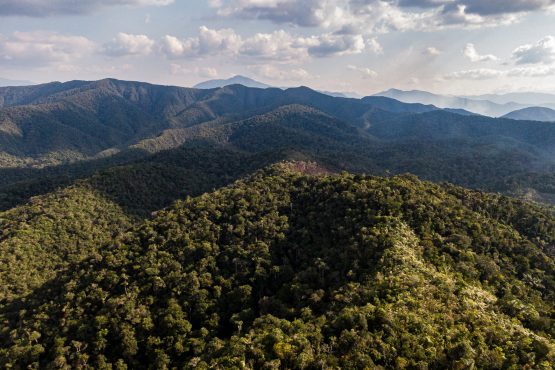
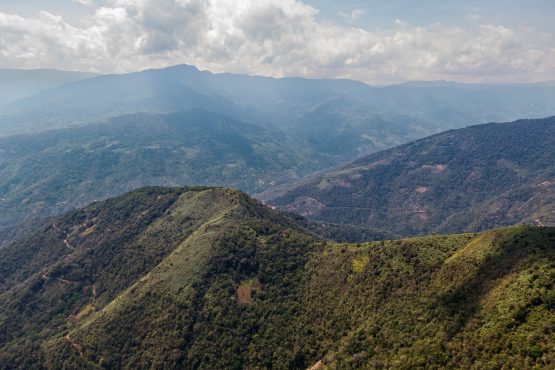
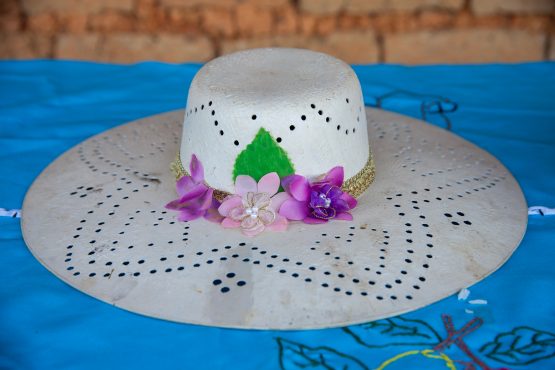
Taipiplaya is home to some 200 Quechua families, many of whom originally immigrated from other departments in central and southern Bolivia to make a living out of agriculture. The cultural difference between the Aymara and Quechua communities who populate Caranavi is marked, with Quechua women being well-known for their round, wide-brim hats, while Aymara women tend to wear long, colourful skirts.
ABOUT CARANAVI
The inhabitants of Caranavi first started farming coffee in the 1950s, when a government-led agrarian reform resulted in small parcels of land (of around 10 hectares in size each) being redistributed back to thousands of largely Aymara families. The Aymara are one of Bolivia’s 36 indigenous nations, who originally lived on the highlands of the Altiplano (a vast plateau of the central Andes that stretches from southern Peru to Bolivia and into northern Chile and Argentina), in Bolivia’s north. Along with the Quechuas, who lived in the Bolivian lowlands, both groups immigrated to Caranavi to work in agriculture.
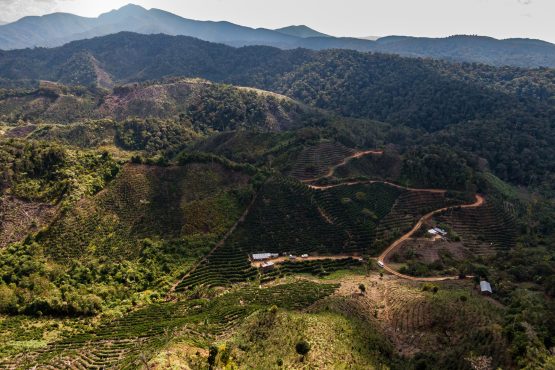
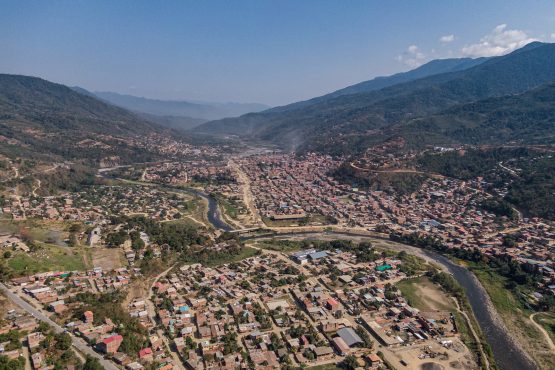
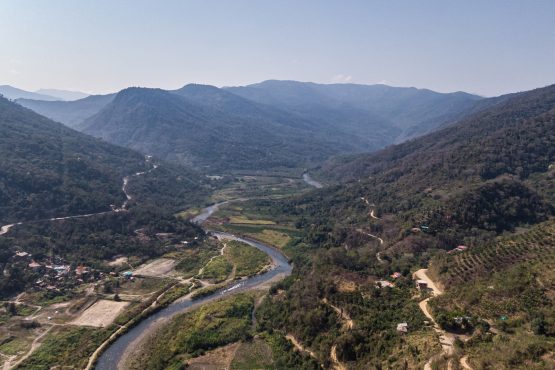
The municipality is located in the Yungas ecoregion, one of South America’s most fertile and diverse locations. The region runs along both sides of the Andes Mountains, and is known for the world’s highest lake, called Titicaca. In the Quechua language, Yungas translates to “the warm lands,” in reference to the rainy, yet warm climate experienced in the region.
HOW THIS COFFEE WAS PROCESSED
This lot from the Gutiérrez family was carefully hand-picked and processed on the same day at the Buena Vista washing station. This meticulously run mill is owned by Agricafe, who painstakingly process each of the exceptional specialty lots they receive separately to allow for full traceability back to the individual farmer or settlement.
Agricafe draw a lot of inspiration from the wine industry in their approach to coffee production, and are always innovating and trialling different processing techniques at Buena Vista. This coffee was processed with experimental techniques, part of the Rodriguez family’s long term strategy to achieve the greatest distinction and diversity in their special lots. Watch the video below to see how the Gutiérrez’s coffee was processed:
Evenings at the mill are always bustling as arrivals of fresh cherries begin in the late afternoon, after the day’s picking, and continue deep into the night. It is widely known around Caranavi that only perfectly ripe cherries will be accepted by this mill and all lots are inspected on arrival prior to processing. In an arrangement somewhat unique to this mill, many farmers use taxis to deliver coffee, and by 7 pm a long line of taxis forms along the road leading to the mill.
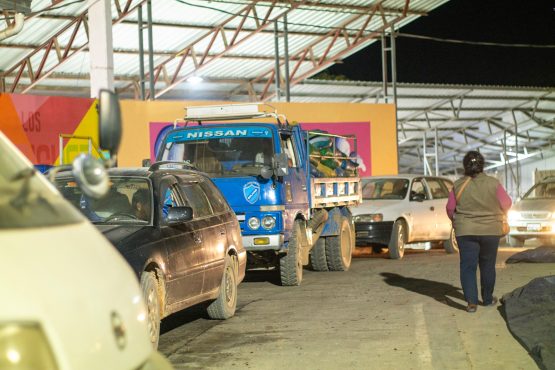
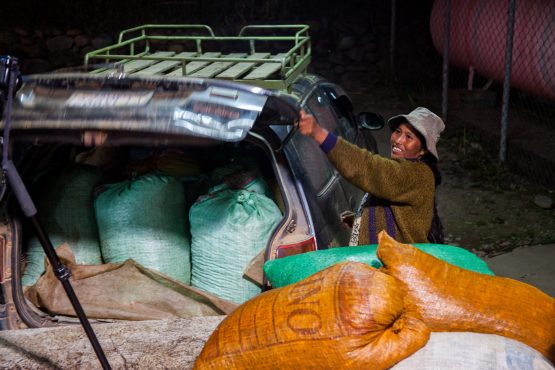
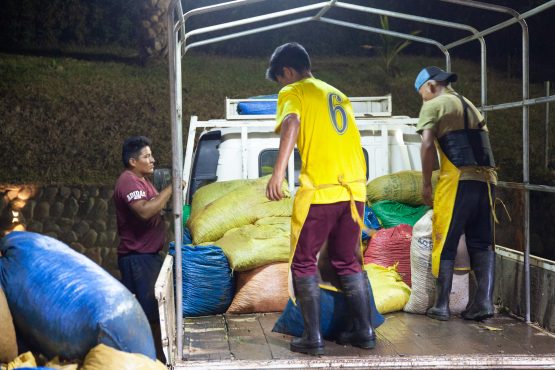
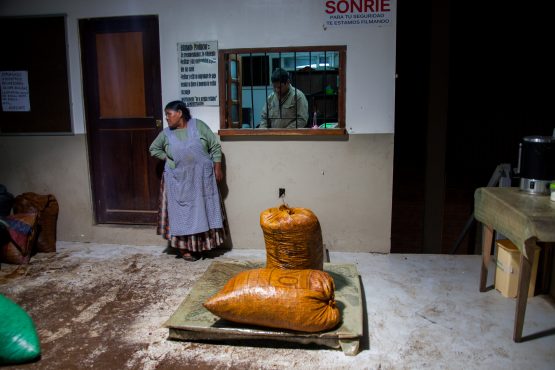
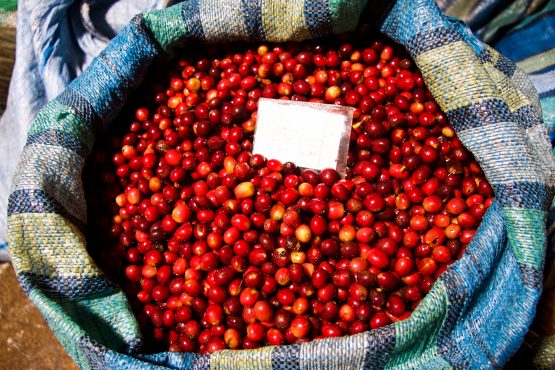
Cherries for this lot were delivered to Agricafe’s state of the art mill Buena Vista in the evening. After being inspected and weighed, the coffee cherry was carefully sorted by weight using water and disinfected, in a large capacity machine the Rodríguez family have dubbed ‘La Maravilla,’ which translates to ‘the wonder’ due to its efficiency. Following this, the coffee was transported to the mill’s new, water-efficient Penagos mechanical pulper using a conveyor belt. Not only do these pieces of equipment use significantly less resources than in previous years, but they both recirculate water several times before it is treated and returned to the local waterways.
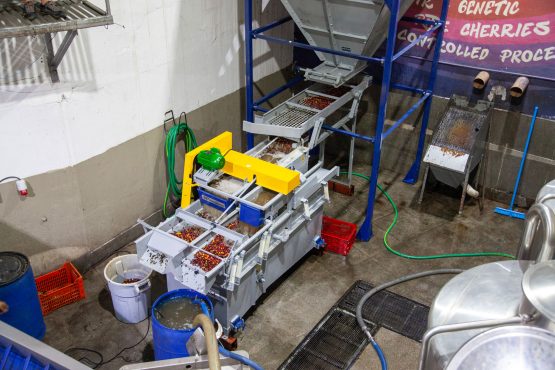
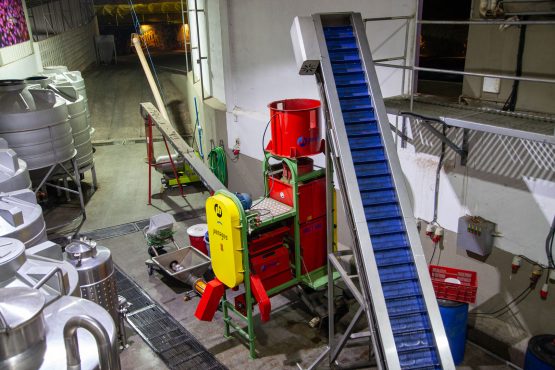
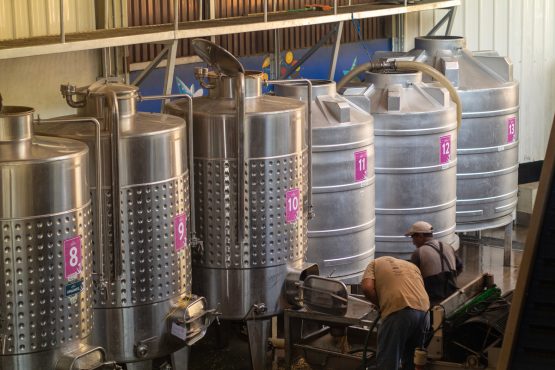
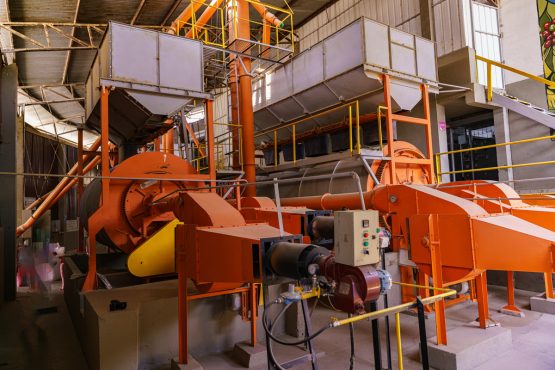
It was then fermented in a sealed stainless steel tank for 35 hours. The team at Buena Vista made sure the lid remained shut for the full period of fermentation, to ensure no oxygen touched the cherries and that the punch-like, boozy aroma remained trapped inside. The wet parchment was then washed with fresh, clean water and carefully machine-dried for 105 hours using a ‘guardiola,’ a horizontal, rotating drum that gets rid of moisture by creating a warm, consistent flow of air around the coffee.
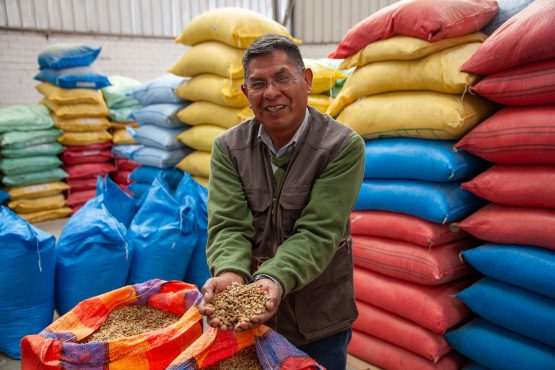
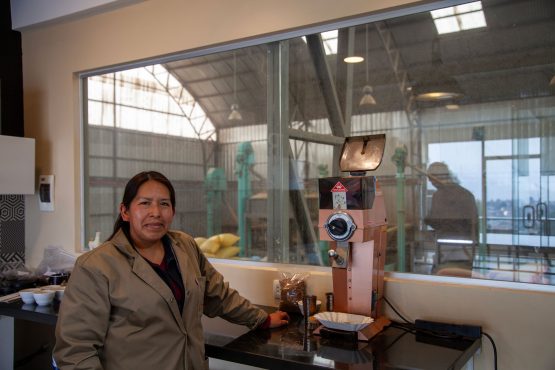
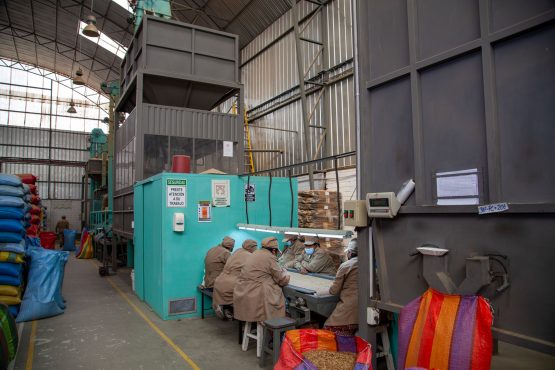
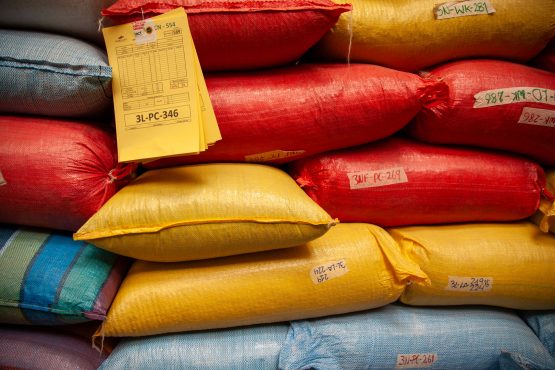
Once the coffee was dry, it was transported to La Paz where it was rested before being milled at Agricafe’s dry mill, La Luna. At this state-of-the-art mill, the coffee was first hulled and sorted using machinery, and then by a team of workers who meticulously sorted the coffee again (this time by hand) under UV and natural light. The mill is one of the cleanest and most impressive we have seen – you can read more about it here.