Dukunde Kawa Cooperative
Over the course of our relationship with Dukunde Kawa Cooperative, they have produced some of our favourite Rwandan coffees and have consistently impressed us with their commitment to innovation.
The Dukunde Kawa Cooperative was established in 2000. They built their first washing station, Ruli, three years later, with the help of a development loan from the Rwandan government. The cooperative was resourced and supported by the USAID-funded Partnership for Enhancing Agriculture in Rwanda through Linkages (PEARL) program. This transformational program was aimed at switching the historical focus of the Rwandan coffee sector from quantity to one of quality. In doing so, it opened Rwanda up to the far higher-earning specialty coffee market. The program and its successor, Sustaining Partnerships to Enhance Rural Enterprise and Agribusiness Development (SPREAD), have been invaluable in helping Rwanda’s small-scale coffee farmers rebuild their production in the wake of the devastating 1994 genocide and the 1990s world coffee crash.
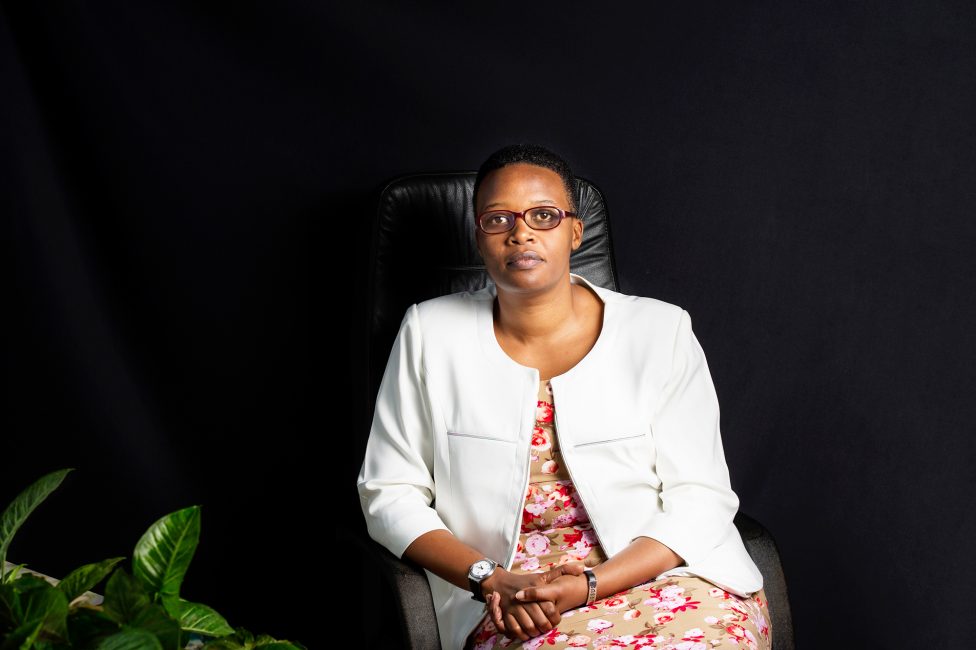
Today, Dukunde Kawa owns three washing stations in Rwanda’s Northern Province. In addition to Ruli — which remains their largest washing station, that also serves as the cooperative’s headquarters — they own Mbilima and Nkara washing stations, which were established in 2005 and 2007 respectively, using profits from Ruli. Since 2026, the cooperative is led by President Virginie Uwingeneye and Managing Director Ernest Nshimyimana.
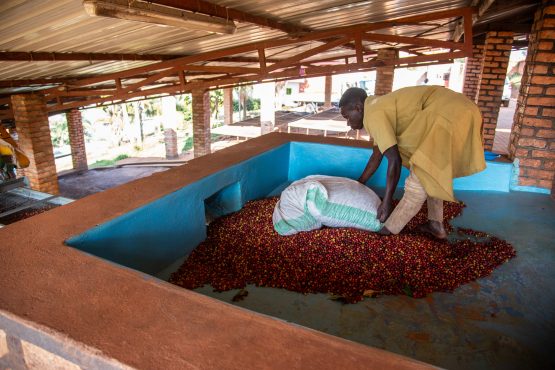
Before the proliferation of cooperatives and centralised washing stations in Rwanda, small farmers sold semi-processed cherries on to a middleman, and the market was dominated by a single exporter. Processing was incredibly labour intensive because cherries were pulped by hand using stones, and the resulting coffee was of poor quality, largely due to the improper drying techniques growers employed. This commodity-focused system – coupled with declining world prices in the 1990s – brought severe hardship to farmers, some of whom abandoned coffee entirely. Today, it’s a different picture. Farmers who work with Dukunde Kawa have seen their income at least double, and the cooperative produces outstanding lots of coffee for us year after year.
Dukunde Kawa is a member-owned cooperative, made up of 1,193 small-scale coffee producers and 53 permanent staff. By becoming members of Dukunde Kawa, these farmers are able to process their cherries centrally and combine their small, individual harvest into volumes that are large enough for export. To become a member of Dukunde Kawa, a coffee farmer must first submit a letter of interest, which is presented at the cooperative’s general assembly. The cooperative’s agronomist then visits the applicant’s farm, and the local cooperative members vote on the new membership. Once approved, the applicant pays a joining fee that, in turn, goes back into the cooperative.
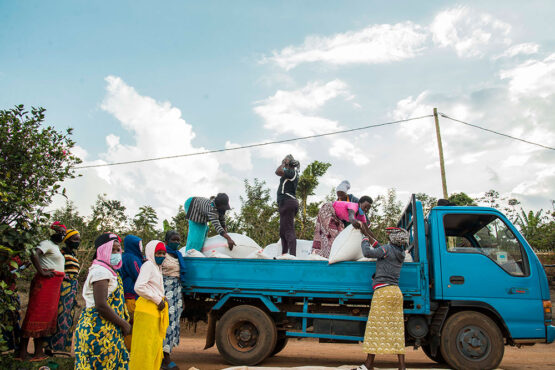
Dukunde Kawa has a very transparent relationship with its members. Farmers receive their first payment for their coffees when they deliver fresh cherry to the cooperative-owned washing station. The set price/kg rate is related to a minimum farmgate price set at the beginning of the harvest period by the Rwandan government, through the National Agriculture Export Development Board (NAEB). Co-op members are paid fair prices above the minimum farmgate rate, which increase throughout the season according to quality and competition. Importantly, the farmers also receive a second payment after the coffee is sold, which is worked out according to the premiums the coffee attracted due to its quality and market competition.
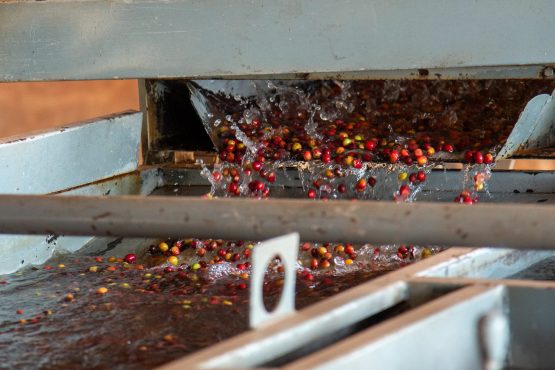
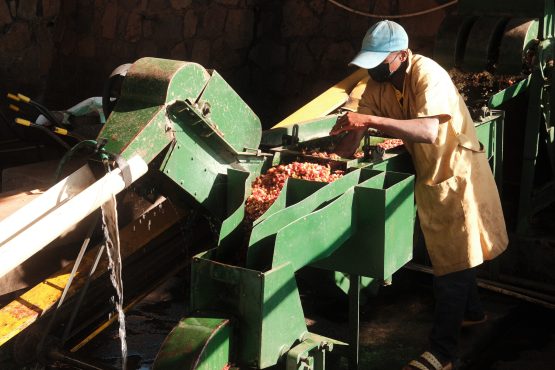
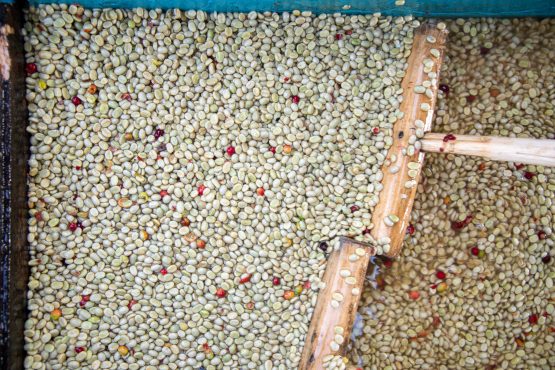
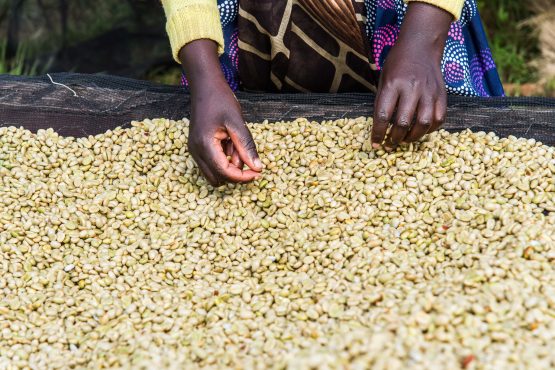
In an effort to continuously assist members to improve the yield and quality of their coffees, the cooperative provides agronomy training and access to discounted fertilisers and organic pesticides. They have also established a training space at their headquarters and a model farm, which is used to demonstrate best practices in coffee farming.
In addition to the great work that the cooperative does with quality improvement and assurance, it also operates various social programs that greatly contribute to the livelihoods of its members. Assistance with school fees and medical insurance is provided and members also have access to a ‘Farmers Savings Account’ which provides a line of credit to assist with costs like health care, farming materials, domestic improvements and more.
WHAT MAKES THE DUKUNDE KAWA COOPERATIVE SO SPECIAL
‘Dukunde Kawa’ means ‘love coffee’ in Kinyarwanda (Rwanda’s official language). The name was chosen to symbolise the power of coffee as a means to improve the livelihood of small-scale farming families in rural communities.
One of the most impressive and defining things about Dukunde Kawa is their innovative and dynamic approach. We have been working with this cooperative since 2008 and every time we visit, we’re blown away by the new investments and advancements implemented to improve the lives of its members and their families, and to ensure the highest quality of coffee possible is produced.
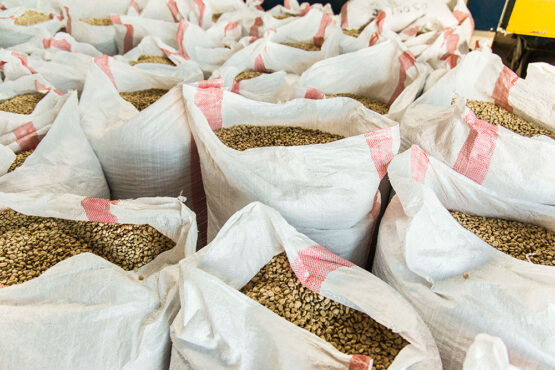
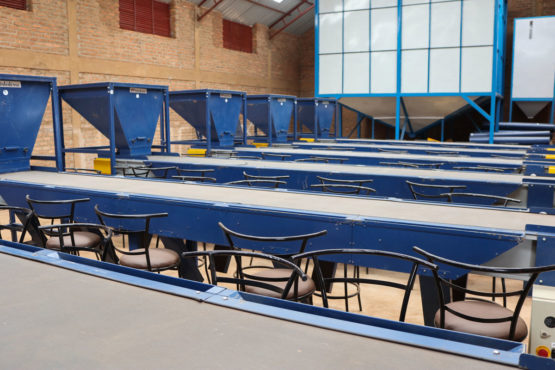
For example, in 2015 the cooperative built a dry mill at Ruli washing station. This sort of infrastructure is usually only found in the urban centre of Rwanda’s capital city, Kigali. It is a significant and commendable investment – not only does this mean the coffee no longer has to travel to Kigali to be prepared for export, but it also gives the cooperative more control during the milling and preparation of the coffee and allows for more micro-lot separation and experimentation. This facility was upgraded in 2022, with a hulling and polishing machine that can quadruple the mill’s previous output – a massive improvement that will further streamline Dukunde Kawa’s operations.
Additionally, the cooperative has invested in many initiatives to improve the overall income for its members and their families. In 2016 they built a dairy refrigeration facility to help generate off-season income for the members through the sales of dairy products like yoghurt, cheese and milk. This program also benefits the community as these products are now available to its families, which in turn helps improve the nutrition and health of the people. Plus, cow manure is a very useful fertiliser for coffee trees! In 2019 Dukunde Kawa installed a pasteurisation machine with the help of MCM and the Australian coffee community. This investment has enabled the farmers to sell their milk to the local hospital and further afield in Kigali for higher prices. In 2025, Dukunde Kawa expanded the pasteurisation plant’s processing capacity from 500 to 5,000 litres per day , allowing them to grow their business in Kigali and increase the cattle farming area of their members.
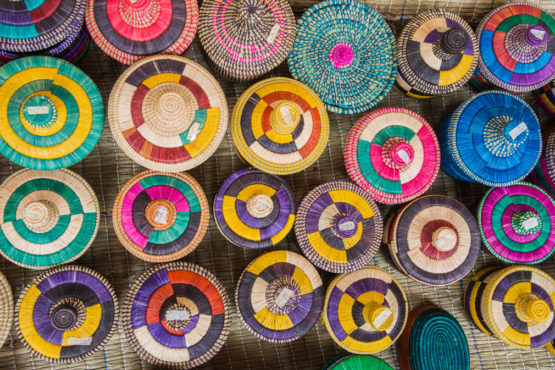
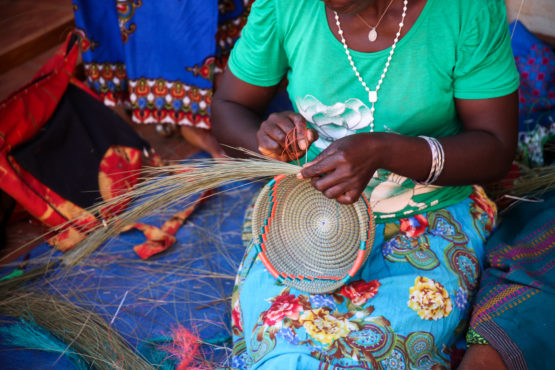
In 2019 Dukunde Kawa also opened a community room for the female members of their cooperative, who form a smaller group within Dukunde Kawa, known as Rambagirakawa, which has grown to over 300 members. The construction of the community room was a joint project between Dukunde Kawa and MCM, and the objective was to create a space where the women could gather to create handicrafts (another important source of revenue outside of coffee production) and, even more importantly, connect and support each other (many of the members lost family or partners in the genocide). “We share our learnings amongst each other, so we can provide opinions from one to another … our solidarity is something we can build on”, Odette Murekate, the leader of the women’s group, told us when the room opened its doors. The venture has been very successful, as the group used the extra income generated in 2021 to purchase a new property with 1,000 coffee trees planted: that’s around 3,000 extra kilos of coffee cherries!
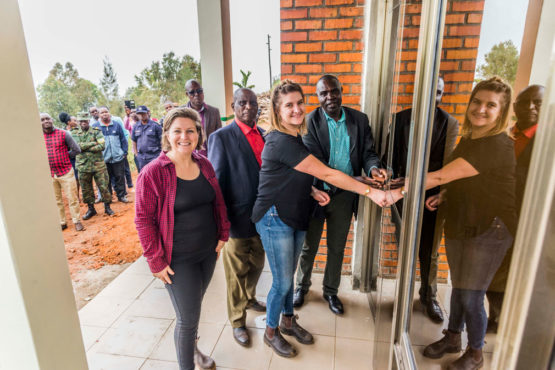
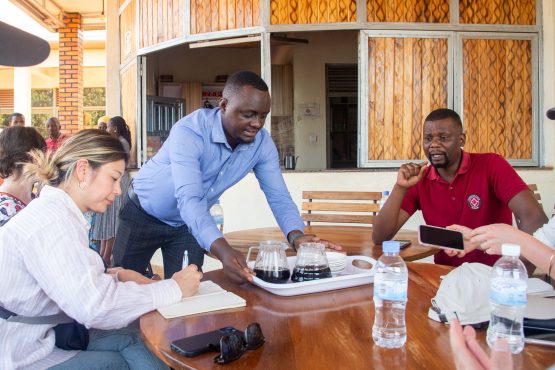
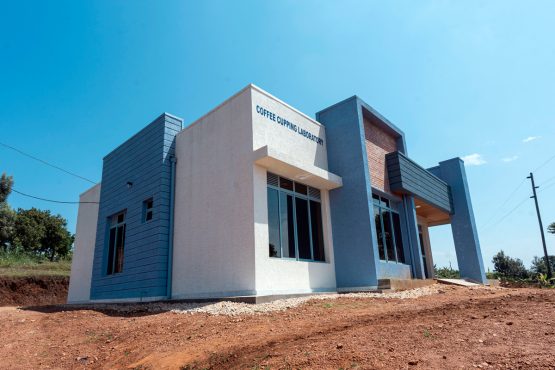
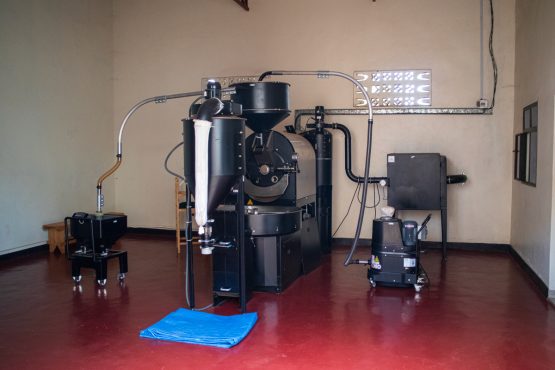
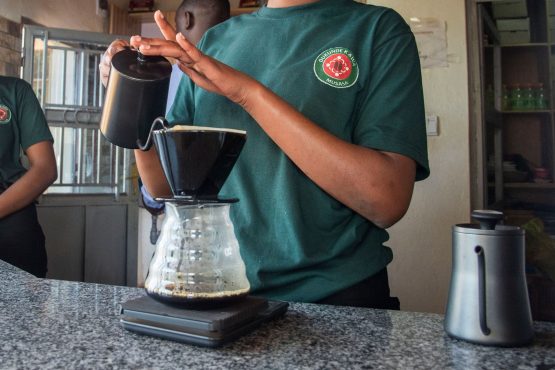
In 2021, Dukunde Kawa expanded their business by building a roasting company that distributes freshly roasted coffee under the label Musasa Specialty Coffee, as it is all grown and processed by cooperative members. This new opportunity enabled them to add two new members to their permanent staff: Jean Paul Hakizimana, who operates the new 25kg Probat roaster, and Gilbert Muhire, who manages Musasa Specialty Coffee’s marketing. Since 2024, the cooperative’s roastery facilities and brand new cupping lab have both been operational, both located at Ruli washing station. The co-op has also added a café on site, where we have enjoyed many delicious quality espresso and filter-brewed coffees.
LOOKING TO THE FUTURE
Recognising that education is key in the longevity of the coffee industry, the cooperative has established a coffee school and vocational training centre for local youths and women in the Northern Province’s sector of Ruli, where their headquarters are located. “The overall objective of this project,” managing director Ernest Nshimyimana tells us, “is to provide out-of-school youths and women with practical skills for work in labor-intensive trades that align them with local demand and opportunities.”
Here coffee professionals-in-training learn about processing methods and coffee roasting, while working on their barista skills. The centre will also create an opportunity for women who make handcrafts to learn and master new techniques. Their first graduating class saw 50 students complete studies across both programs in 2023 – a remarkable achievement that will only strengthen their community of members.
In 2024, through the Supporting Strong Women campaign, the Australian and Thai coffee communities came together to raise funds to build a daycare centre at Ruli. Thanks to everyone’s hard work, enough funds were donated for the co-op to expand the initial plans and build a daycare centre for up to 60 students instead! Following its opening in January 2025, the centre was officially inaugurated during our visit that June, when the cooperative hosted a celebration of the achievement and tour of the facilities. Now, the cooperative hope to expand the centre’s operations by adding a second classroom that can incorporate educators that follow the Rwandan curriculum.