Ayla Bombe Washed
Very floral and transparent, with great structure. Pink lemonade, peach and honey.
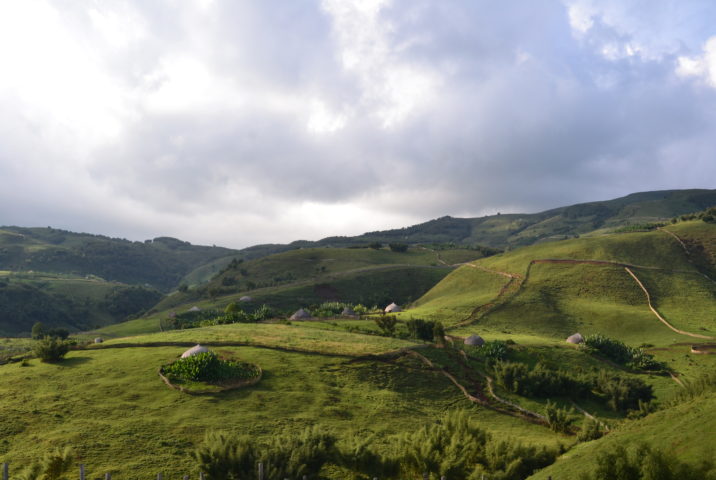
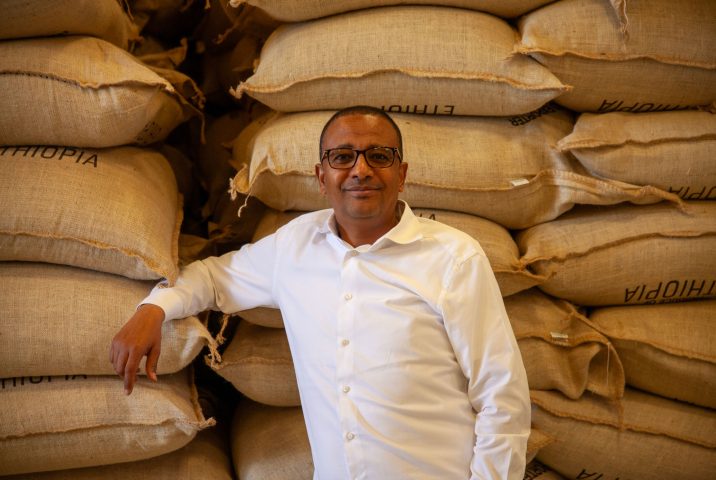
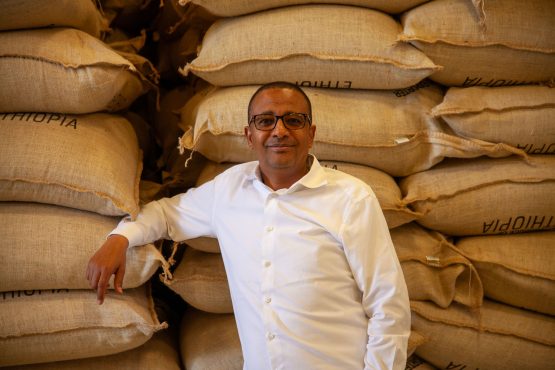
Located in the Bensa woreda (administrative district) of Ethiopia’s Sidama Zone, Ayla is one of Testi Specialty Coffee‘s best-known washing stations, as it produces some of the most floral coffees we source from Ethiopia. A family-oriented man, founder Faysel Abdosh named the site after his niece, whose name translates to ‘grace,’ or ‘moonlight’ in Turkish. Since opening the doors to Testi in 2009, Faysel has ensured his passion for Ethiopian coffee is woven into his commitment to his family’s heritage. As Testi’s operations have grown, he has taken his sons and nephew under his wing, and they now play key roles in supporting the company’s commercial operations.
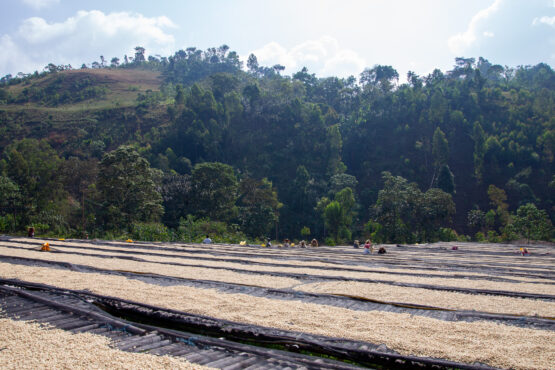
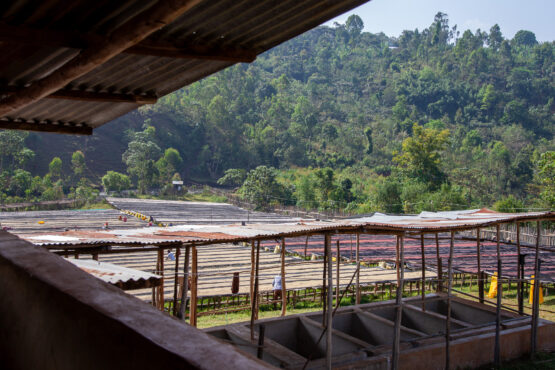
Sitting at 1,950m above sea level, Ayla produces exceptional washed and natural processed lots using the nearby Bonora river as its main source of fresh water. The site receives coffee cherry from two villages (or kebeles), Shanta Wene and Bombe. These are processed separately as distinct lots, providing extra traceability. This particular coffee lot comes from the kebele of Bombe, which shares its name with the mountains that surround Ayla.
During harvest, freshly picked coffee cherry is delivered daily by some 900 independent outgrowers who grow coffee under prime conditions. Their farms typically sit at elevations between 1,950–2,150m above sea level, which combined with the region’s cool temperatures, is ideal for the slow ripening of coffee cherries, leading to denser beans and a sweeter, more complex cup profile.
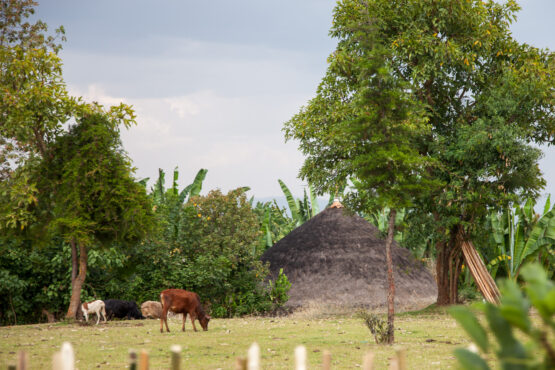
The majority of the families who contributed to this lot farm organically on tiny plots of land, which average under two hectares in size. Coffee is their main cash crop and grows alongside food crops like fake banana, corn and grain, under the shade of native Birbira, Wanza, and Acacia trees. Each outgrower that delivers to Ayla receives payment on delivery of their cherry, including a premium above the annual market rate set by the Ethiopian government. Farmers who are registered with the washing station also receive a second premium payment three months later or after the lot has been sold, based on what they have delivered. This usually happens around June or July (coinciding with the Ethiopian winter), which is when they would be preparing for the next harvest.
ABOUT SIDAMA
Ethiopia is incredibly diverse and multi-cultured, as it is made up of 80 different nations where up to 90 distinct languages and dialects are spoken. Sidama is named for the Sidama people, who have a long and proud history of coffee production and a unique cultural identity and language. In 2015, their New Year festival, Fichee-Chambalaalla, was inscribed in UNESCO’s Intangible Heritage list, as the festivities represent a unifying symbol of the Sidama people, irrespective of age, gender and social status.
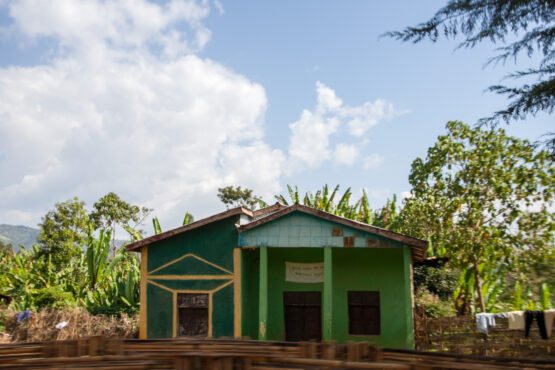
Commercially, the Sidama coffee region has referred to a wide geographical area encompassing much of central-south Ethiopia, well-beyond the region’s offical borders. For decades, many of the country’s coffees have been categorised as ‘Sidama,’ based on a similar type of flavour profile rather than the locations they were grown in. Following a 2019 referendum, the region became its own autonomous state that includes famed coffee woredas such as Bensa, Arbegona, Aroresa and Bombe, where this lot was grown and processed.
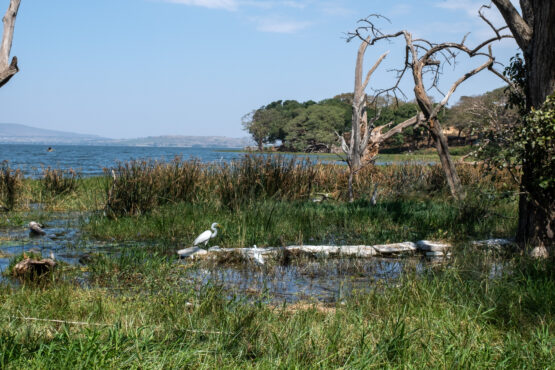
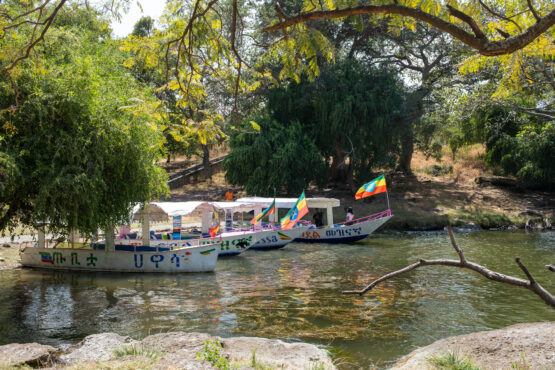
As what many consider the birthplace of Arabica coffee, coffees that are grown and processed in Sidama showcase an extremely diverse range of flavour profiles, and are noted for their intensely fruit-forward, tea-like, floral and complex character that is sought after worldwide. Coffee has been here for centuries and is the main source of income for most rural households, who grow it in Sidama’s myriad of microclimates and higher elevations. Accounting for around 40% of Ethiopia’s washed coffee volumes, Sidama’s production is surpassed only by the larger Oromia Region.
VARIETY
This coffee includes a large percentage of JARC varieties 74112 and 74158 along with other landrace varieties.
For many years, most Ethiopian coffees have been described as being a mix of cultivated and wild varieties, referred to as “heirloom varieties.” This is a term that is all-encompassing and used by many actors in the coffee industry to generally categorise Ethiopian coffee varieties that are from native forest origins. Whilst this describes many of the varieties found in Ethiopia, it does not fully acknowledge the varieties that are already locally recognised and cultivated, or those that have been specifically developed and widely distributed by the Jimma Agricultural Research Centre (JARC).
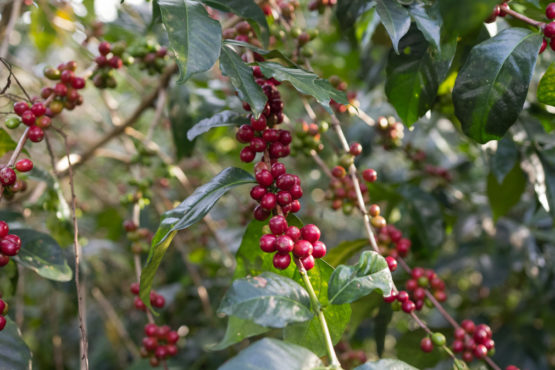
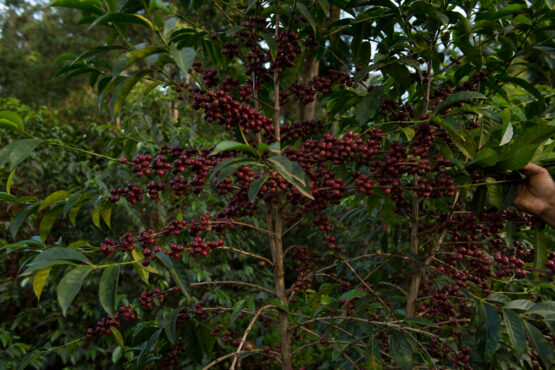
Gedeo is home to many landrace varieties that were originally selected from the forest and have been propagated successfully for decades. There are a six popular landrace varieties propagated through Gedeo, Guji and Sidama; these are Bedessa, Dega, Kurume, Mique, Sawe and Wolisho. There is little documentation on the history of these varieties, and it is hard to know if they represent a single plant or a larger “family” of varieties; however, it is widely accepted that they play a major role in the quality and floral flavour profile of the coffee from this region. While morphologically, these plants show differences (Kurume is known for producing smaller cherries than Wolisho, for example), most have been named after local, indigenous non-coffee trees. It is also likely some historical landrace names have potentially been applied to JARC selections that resemble them.
JARC varieties were developed using “mother trees” from Ethiopia’s coffee forests, and are now grown for disease and pest resistance, as well as exceptional cup profile. These were released by number, with the first two representing the year they were selected and catalogued (those whose names begin with ’74,’ for example, were released in 1974). The most widely propagated varieties were developed following a Coffee Berry Disease outbreak that struck Ethiopia in 1971. The selection process resulted in collections from 19 locations in southwestern Ethiopia, eventually finding 13 mother trees from the regions of Gera, Wush Wush, Washi and Metu-Bishari that showed great resistance and promise. The most widely propagated JARC varieties — like 74158, 74110 and 74112 — all descend from the forests of Metu-Bishari.
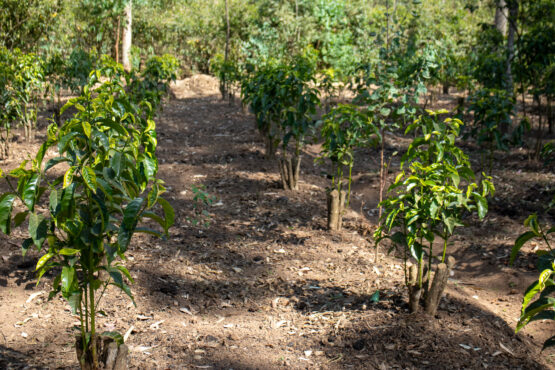
When farmers expand or renew their plots of land, they either prepare their own seedlings (from trees they are already growing) or receive them from JARC and their distribution partners, or from traders and exporters like Testi Specialty Coffee. By working directly with growers, Testi can ensure they only grow varieties that perform well on the local region’s soils, and that will eventually earn them better payment on delivery due to the quality of the fruit. Due to Ethiopia’s traditional growing practices, however, it is hard to guarantee whether a coffee lot is made up entirely of a single variety.
PROCESSING
This coffee has been processed using the washed method, using clean water from the Bonora river. It is classified as Grade 1, the highest quality classification for Ethiopian coffees, indicating a great deal of effort has been put into the selection and grading during processing. Each day, carefully hand-picked coffee cherries were delivered to the Ayla washing station to be meticulously sorted by hand and in a floatation tank prior to processing to remove unripe, overripe, or damaged fruit, in order to enhance the quality and sweetness of the cup.
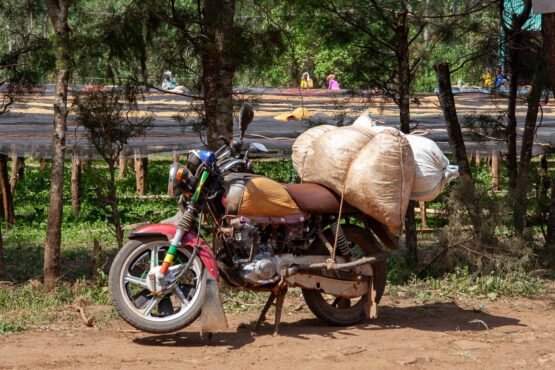
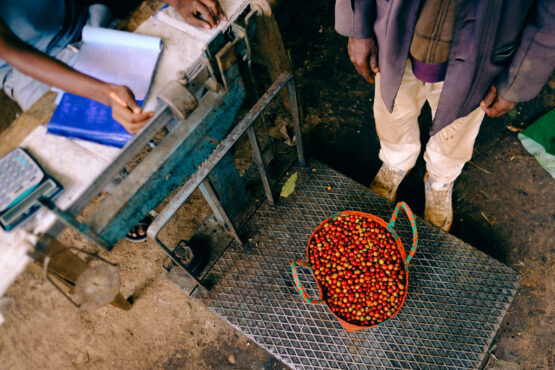
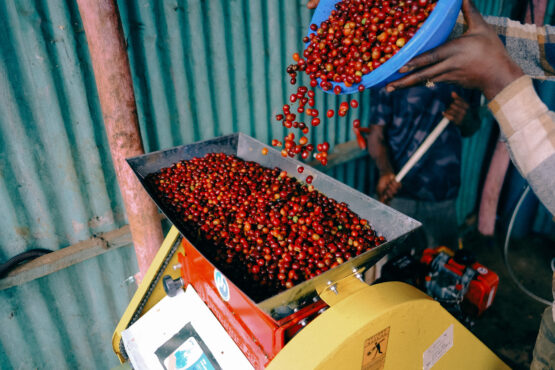
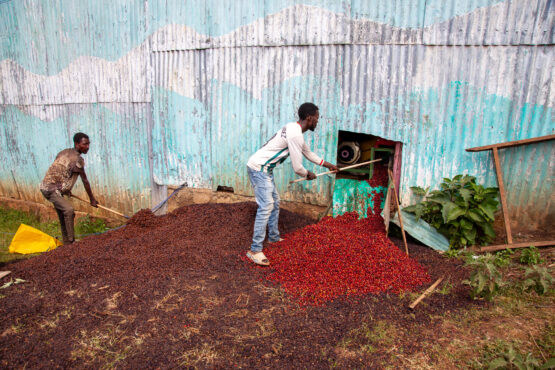
After sorting, the coffee cherries were then pulped within six to eight hours of harvesting, to remove the fruit and skin, and graded by weight; heavier beans are of superior quality and deliver a sweeter cup. After grading, the parchment-covered coffee was soaked in tanks of clean water for 36–48 hours to remove the mucilage (sticky fruit pulp) by allowing it to ferment and detach from the coffee.
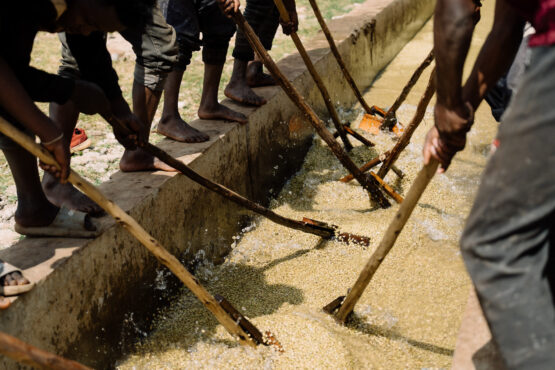
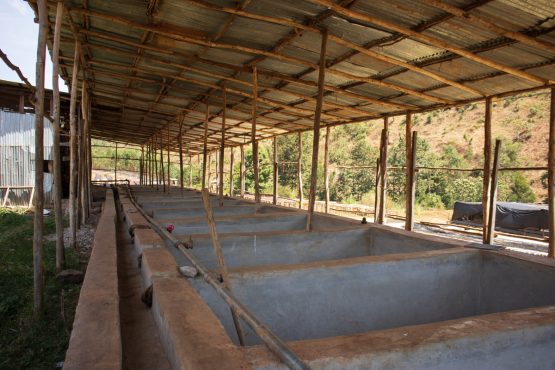
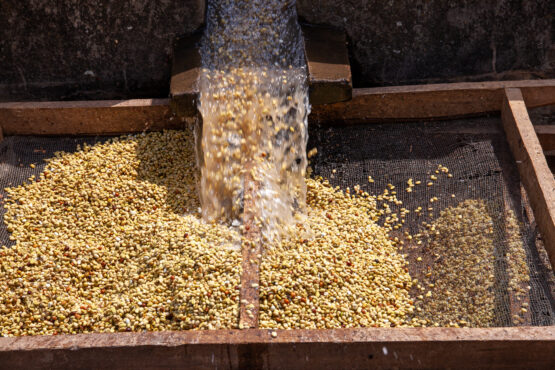
The coffee was then re-washed and graded again by density in washing channels and soaked in clean water for 12 hours. While doing this, mill workers kept a close eye on the clarity of the water being used (and replaced it with fresh water as necessary), and checked the parchment manually to feel how much mucilage was left on the seeds. As the texture of the washed seeds changed, and millworkers notice slightly more traction, parchment was just about ready to be dried.
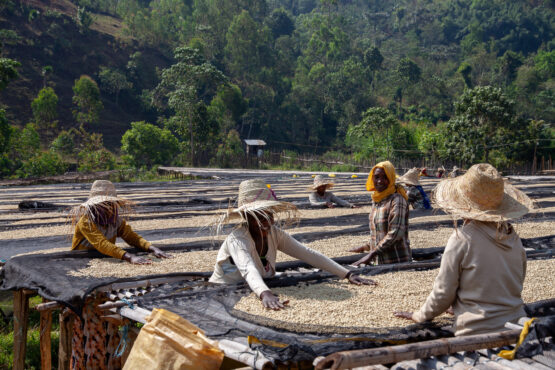
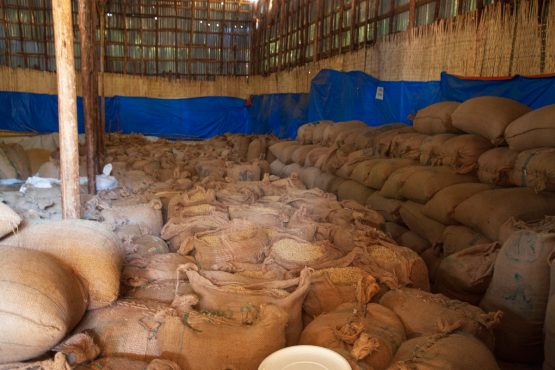
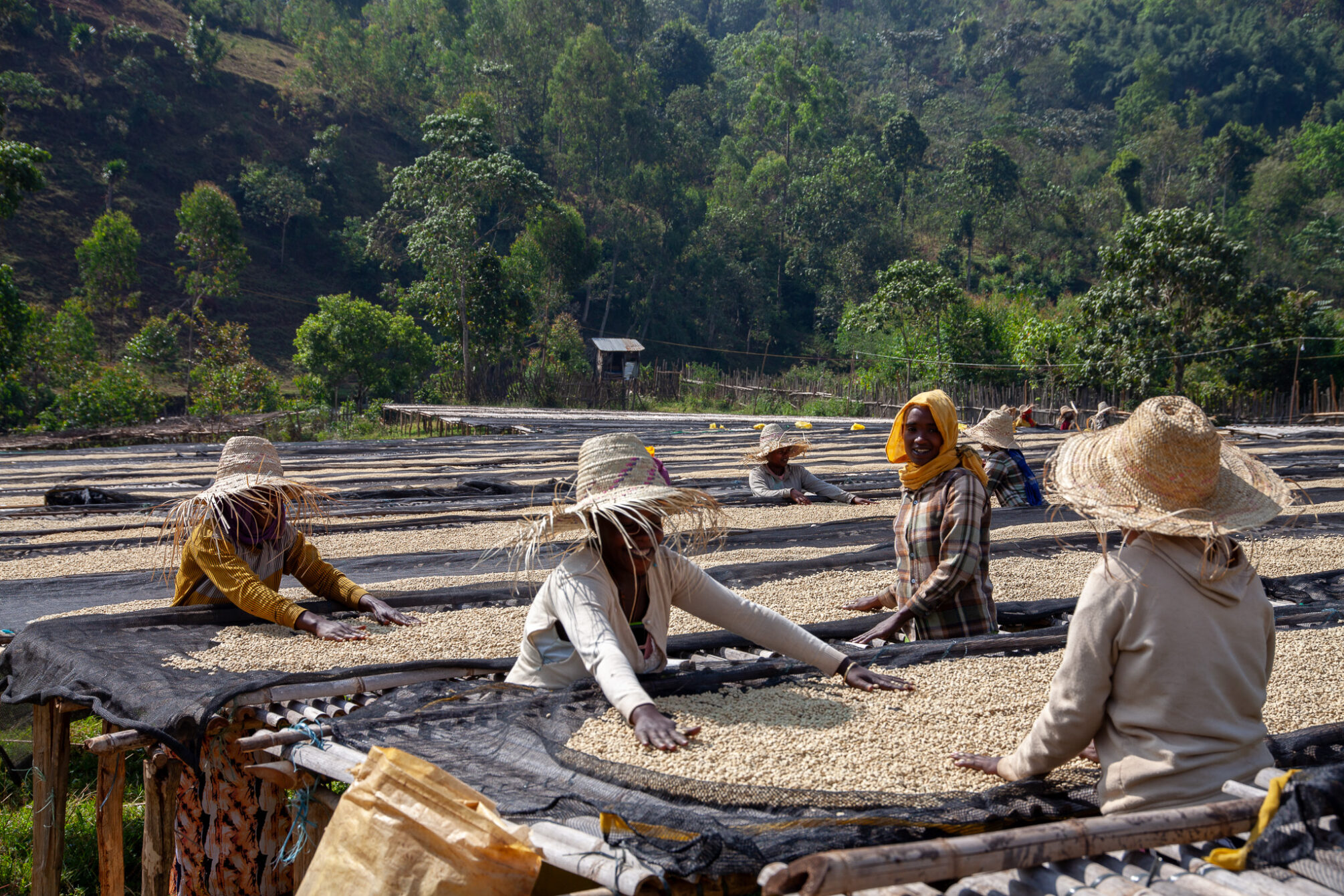
The coffee was then dried on raised drying beds and under a parabolic shade net for 5-7 days depending on weather conditions. Whilst drying, the coffee was carefully hand-sorted, and defects were removed. It was also turned regularly to ensure that it dried evenly and consistently. Once the coffee was dry and had reached its desired humidity, it was rested in parchment until it was ready for milling and export.
HOW THIS COFFEE WAS SOURCED
Since 2018, regulation changes within the Ethiopian coffee industry have allowed smallholder producers and coffee washing stations to export coffee directly to the international market, rather than through the Ethiopian Commodity Exchange (ECX), through a model called Vertical Integration. While the ECX has provided stability and opportunity for many Ethiopian coffee farmers, Vertical Integration allows for greater transparency and traceability as it enables a more streamlined coffee supply chain. Beyond this, producers who market and trade their coffee directly can access higher prices and more direct payments for their coffees. We buy all of our coffee through this model, working directly with our supply and export partners, Testi Specialty Coffee.