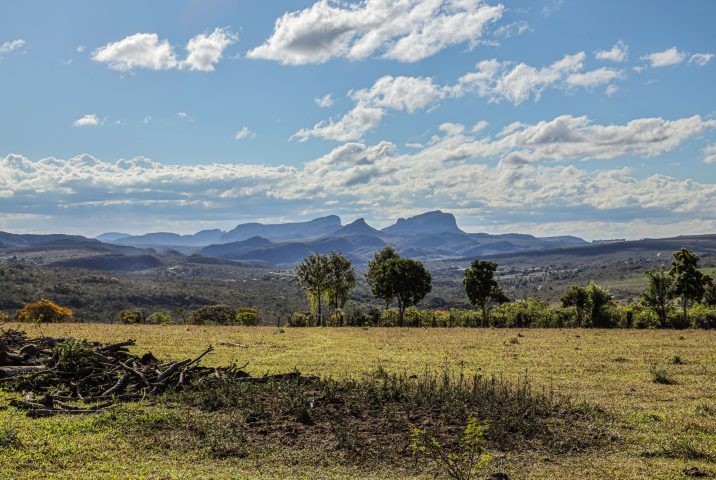
Cerca de Pedras Sakura Pulped Natural
Juicy sultana, hazelnut and quince paste. Full-bodied and balanced.
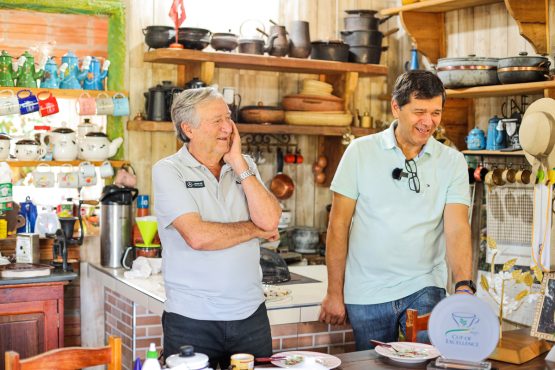
This coffee was produced by our dear friend, mentor and sourcing partner in Brazil, Silvio Leite. As one of the country’s pre-eminent specialty coffee professionals, Silvio has poured every ounce of knowledge he has gained across several decades of work into establishing the vibrant and beautiful Cerca de Pedras, which will carry his legacy on for years to come. As he told us on a recent trip, “Sometimes you plant a tree but it’s not for you, it’s for future generations. My farm is like this; it’s for my daughters, for my team and for Piatã.”
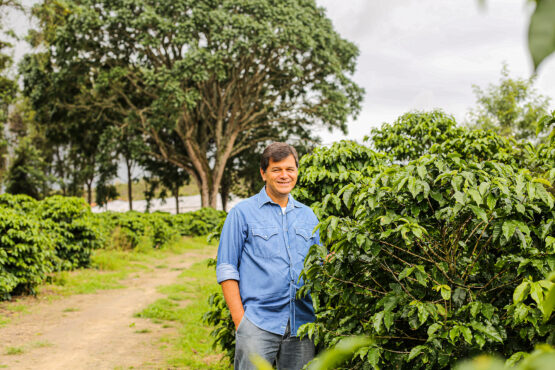
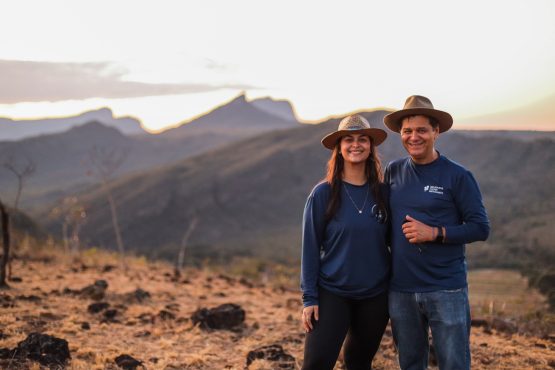
While we have worked with Silvio for over a decade to source the very best that Brazil produces, we have only recently been able to procure coffee he has grown and processed. In the years he spent developing and pushing his nation’s industry forward, Silvio dreamt of producing his own coffees, a long-held goal he achieved in 2020 following Fazenda Cerca de Pedras’ first harvest. Having built a stellar reputation as an exceptional cupper and astute trader, Silvio’s goal is now to make a name for himself as a producer too — and we’re thrilled to share his efforts with our roasting community.
“This farm comes as a fulfilment of a dream. Having been in the coffee business for over 40 years, the dream of producing my own coffee comes true now with Fazenda Cerca de Pedras.”
Located in the unique coffee-growing region of Piatã, Fazenda Cerca de Pedras extends across five separate plots: São Benedito, Sakura, Beira Rio, Marcolongo and Passagem de Pedras. In 2019, Silvio purchased the original 32-hectare property from his friend Christiano Miranda, who had established it in the 1980s and was already producing some coffee on it. As he described on a recent visit, “[Christiano] is a very dear friend and the farm was already going in the specialty direction. When he sold it to me, they had five hectares planted, and I expanded them to the 6.5 I have now.” At the time, he sought advice from one of Piatã’s most experienced producers, Antônio Rigno (of the multi-award-winning São Judas Tadeu), and following his original investment, Silvio acquired more land nearby under the banner of Cerca de Pedras.

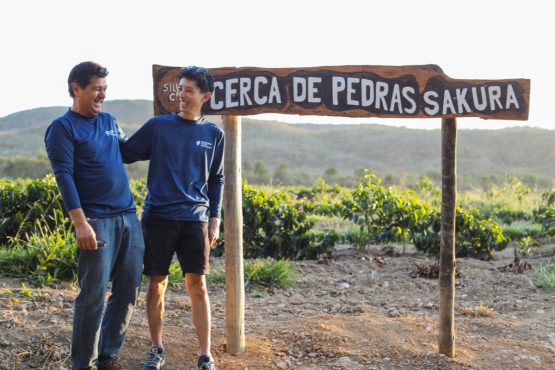
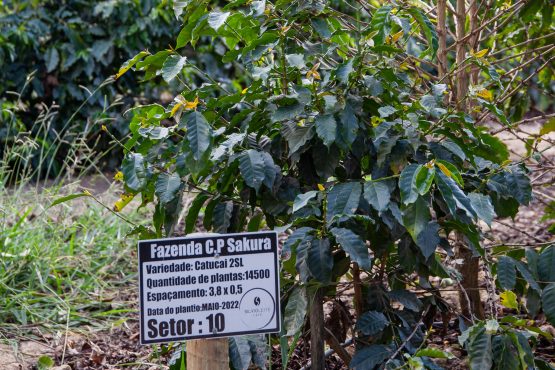
This microlot comes from Sakura, which sits at 1,230m above sea level and is Silvio’s most treasured plot. Throughout his extensive career, Silvio has developed a deep admiration of and many strong connections with the Japanese coffee community, including a close and enduring friendship with MCM’s Head of QC Toshi Ishiwata, who visits Brazil regularly. This plot was named in recognition of those bonds, honouring Silvio’s belief that “working together is fundamental” regardless of culture or language, and after Toshi’s daughter.
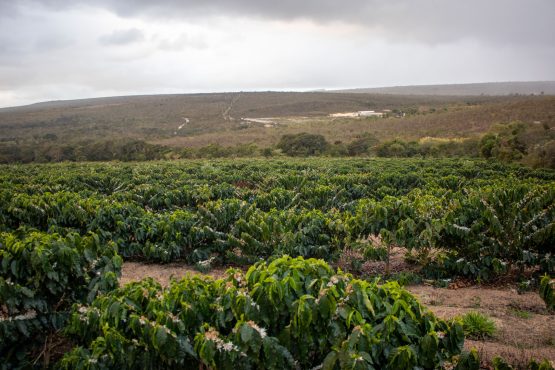
The eight hectares under production at Sakura are planted with Arara and Catucaí 2SL, two hybrid varieties developed in Brazil for their resistance to pests and disease. These were selected by Silvio after trials at neighbouring plot São Benedito, where they proved to be high yielding while producing exceptional cup quality in the estate’s unique growing conditions. Silvio considers the introduction of any new varieties to Cerca de Pedras carefully, to avoid disrupting the balance in place. “Right now,” Silvio declared when we last visited, “this is one of our best plots under production.”
Although the plot is thriving now, when Silvio first established Sakura he and his team suffered a few setbacks, as the site did not have a functioning irrigation system — resulting in half of the original seedlings not surviving the first season. Planting the property came with great financial expense, so Silvio knew he had to turn things around and recoup his initial investment. Having already enlisted the help of Kleumon Moreira (owner of Sitio Canaã), who continues to manage the farm, Silvio identified that the nearby Beira Rio was the perfect site for a water reserve, as it sits at a higher elevation than Sakura and water can be distributed via gravity, rather than requiring the costly installation of a pump. Silvio’s team has since installed a drip irrigation system (consisting of a series of perforated pipes running beneath the trees to deliver water directly to their roots) that is connected to the reserve, transforming Sakura into a lively and healthy plantation.
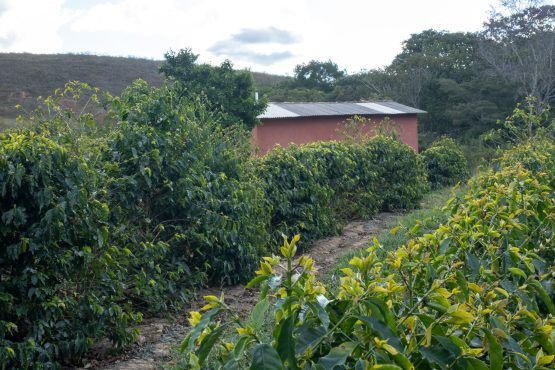
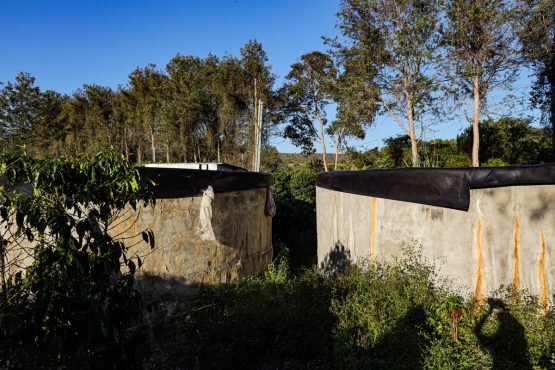
By demonstrating the benefits of such a system to neighbouring producers, Silvio hopes that they may be inspired to build their own reserves to stay ahead of the impending challenges of climate change and ensure their production doesn’t suffer during dry years. Because he has worked as an advisor and business partner with countless neighbouring producers for many years, there is a great deal of trust and mutual respect between them. Silvio receives annual visits from a consulting agronomist to analyse the health of each plot’s soil, with the goal of determining the best fertiliser to use during irrigation. When we first asked about the role of Cerca de Pedras in town, Silvio explains that his goal is to use the estate as, “A model… a coffee school to showcase how to sustainably produce specialty coffee. With the help of an agronomist, we are sharing this knowledge with many small producers in the region who may not have the resources to afford external consultation and advice.”
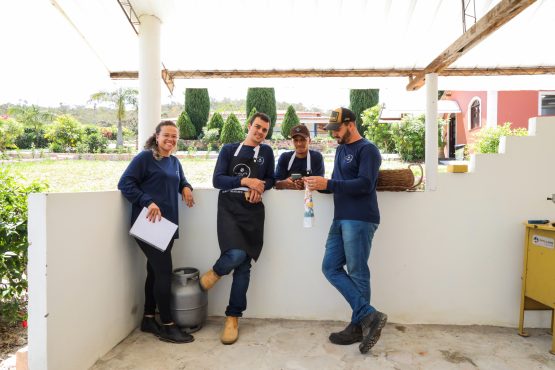
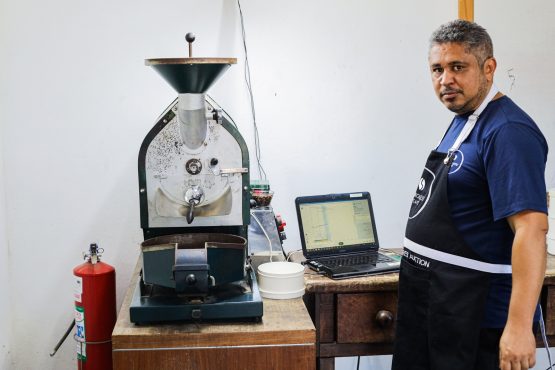
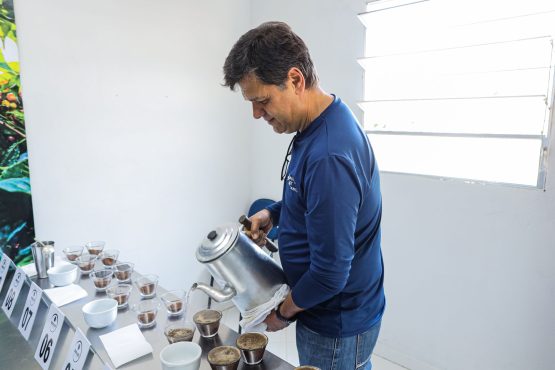
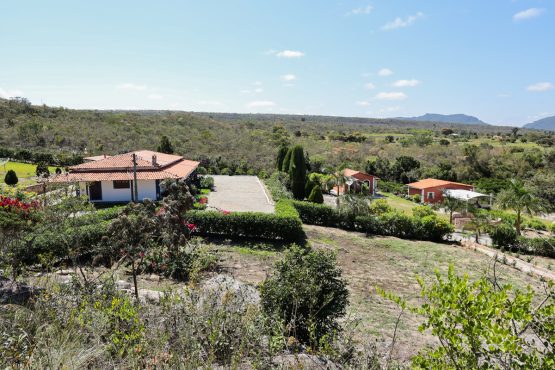
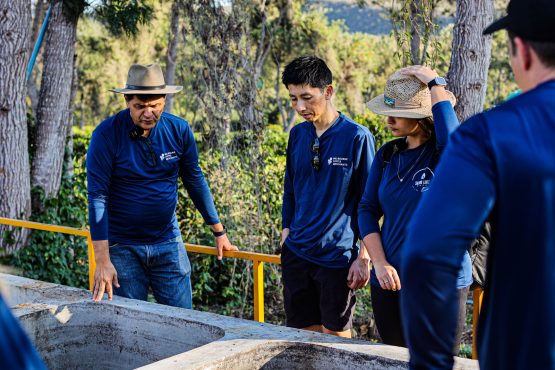
Today, Cerca de Pedras serves as Silvio’s centre of operations in Piatã. The estate’s beautiful homestead is Silvio’s residence during the harvest or when he visits the region, and all evaluations are done at his cupping lab on site. Led by Kleumon, a total of 12 staff are employed full-time, with an additional 25 seasonal workers coming on board during the harvest. Silvio’s capable team assist with the roasting and cupping, as well as with the day-to-day operations of the property.
At the wet mill, Kleumon also manages processing for harvested cherries, including some experimentation with controlled fermentation and novel drying practices. The goal is to produce sweet and clean coffees with a refined acidity and a distinct taste of place. This is because, as Silvio recently explained, “My proudest moment is when people cup the results. It’s the results from all of us who are invested here, including the agronomist, Kleumon, the pickers, and my cupping team. Year by year, whenever you cup the table, you start improving. That is the best moment, it makes us proud and satisfied by the results.”
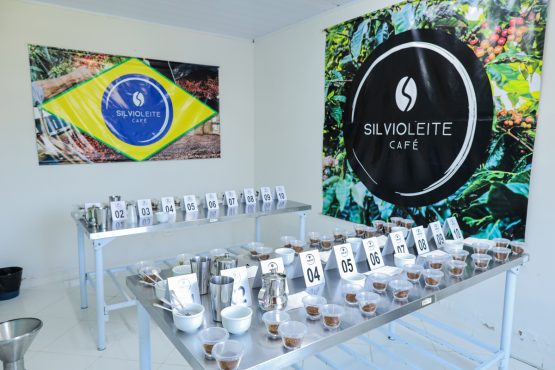
These milling facilities are also made available to other producers, like Kleumon himself, and serve as an example for them to learn techniques that will improve their crop. As Silvio went on to describe, “I have minor capacity to receive coffee cherries from other producers[…] but it solves many quality problems just by doing better post-harvest preparations under good conditions. It’s working well for both sides, because my team and I have the opportunity to process coffees with different profiles from what we are producing, because they come from different lands and different environments, even if they are very close to us. It’s lovely to do!”
“You are part my dream to produce beautiful coffee in a sustainable way together with people, with our team. Thank you for coming and for sharing your time, your days, and your knowledge with us”
Head here to learn more about Silvio and the incredible work he’s done in Brazil.
ABOUT PIATÃ
Located at the foot of the Chapada Diamantina mountain range, Piatã is a unique growing region in Brazil’s Bahia state. The coffees produced here tend to be floral, sweet and complex, and noticeably distinct from those grown elsewhere in the country. There are two main factors behind this: coffee grows at elevations of up to 1,400 meters above sea level, which is high for Brazil; and temperatures range from about 2°C to 18°C in winter, some of the country’s lowest. Combined, the high elevation and cool climate are key in slowing down the maturation of the coffee cherries, leading to an increased concentration of sugars in the bean. The result is a cup profile that is bright, transparent, and distinctive. Piatã’s relative proximity to the Equator line ensures the region’s coffee trees can experience such drastic conditions without being affected by frost, unlike other, more traditional growing regions like Minas Gerais.
Piatã’s exceptional natural characteristics also contribute greatly to the coffees’ profile. In the distant past, the whole of Chapada Diamantina was completely under water, slowly eroding over millions of years — leaving behind soil that is nutrient-rich and slightly soft. This soil, along with the above-average local humidity, is home to a healthy and diverse ecosystem that includes some 1,600 individual plant species. While the highlands of Chapada are rugged and dry, the area surrounding Piatã is filled with streams, waterfalls and even swamps that, in most years, provide plenty of water for irrigation and agriculture.
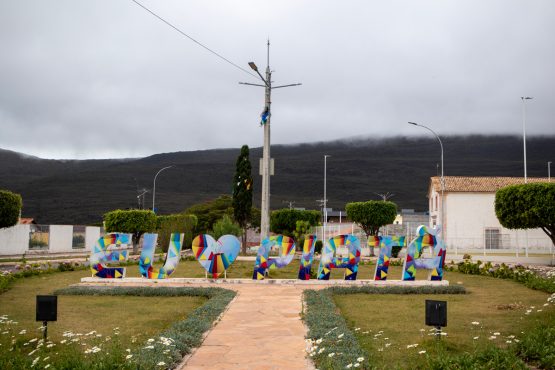
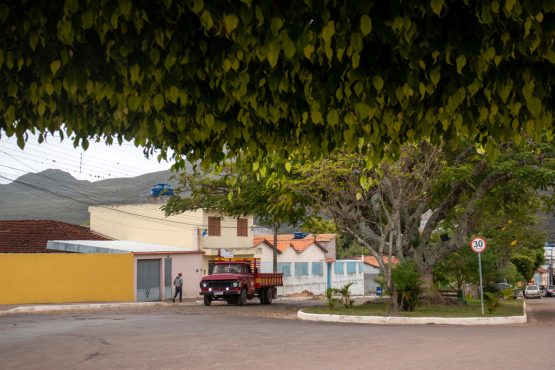
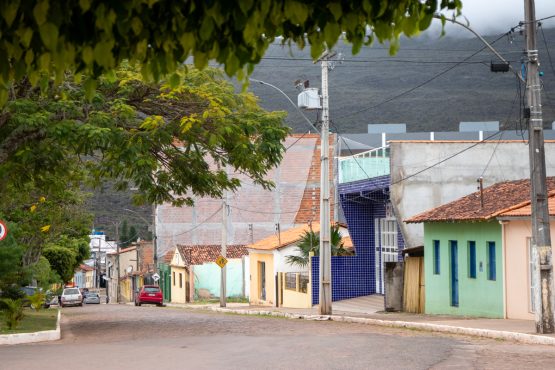
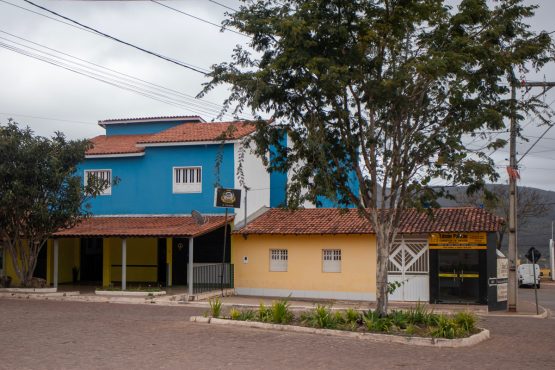
While coffee production is on the rise in Piatã, it is still very much a developing industry. Locally produced lots didn’t gain recognition for quality among Brazilian buyers until the 1990s. This recognition led to the establishing of the ASCAMP growers’ association in 1998, which was tasked with assisting growers who had land, but few resources. Over the next decade, cooperatives and other farmer groups were founded, playing a pivotal role in elevating the coffees grown and processed in the region. Piatã went on to be internationally recognised for its high quality in 2009, when five of the top 10 spots in Brazil’s Cup of Excellence came from this small corner of Bahia. The region’s dominance in the competition has continued every year since, particularly in 2016 when an astounding 19 of the 24 winning lots came from Piatã, and again in 2022, when 10 local winners were recognised. MCM has been sourcing coffee from this region since 2015, thanks to the support of longtime partner and coffee mentor Silvio Leite. Head here for more on Silvio and the incredible work he’s done in Brazil.
Part of what makes the Piatã region so special is that production is extremely limited, given the scale of the local estates. Farm sizes tend to be relatively small when compared to other producing areas in Brazil, usually just ten hectares or less in size, and are not visible when driving through the outskirts of town (unlike somewhere like Cerrado de Minas in Minas Gerais, where large estates make up the majority of the landscape). Most growers process their own cherries on site, sticking to traditional methods with little focus on experimentation, as the goal is to process coffee well to ensure the final cup is sweet and clean. Because many producers rely on coffee as their main source of income, simplicity and repeatability are prioritised. Great attention to detail is placed on the post-harvest work, as the region’s cooler temperatures and high humidity pose risks to the drying parchment. To prevent any potential defects in the cup, many local producers have built greenhouses and raised beds, to add a layer of protection without minimising the necessary ventilation for coffee to dry evenly and at a steady rate.
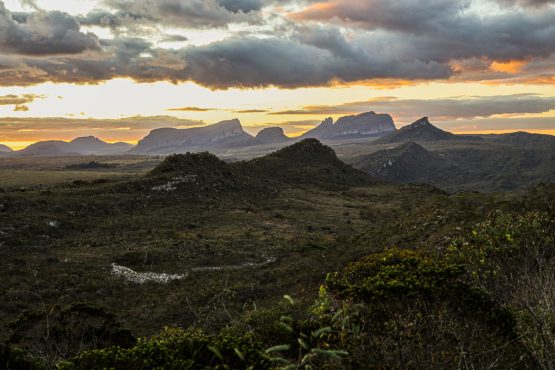
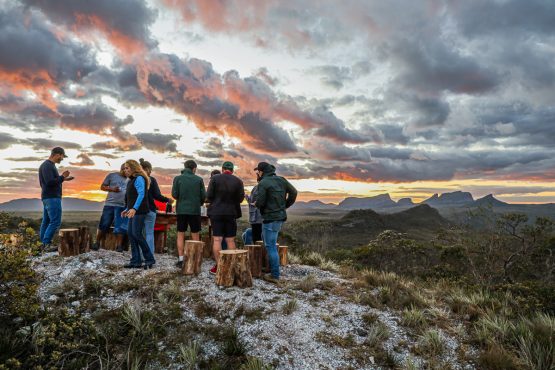
The region of Piatã is the traditional home of the Cariri and Maracá indigenous people, who were defeated during the Portuguese invasion of Brazil in the seventeenth century. While most of the remaining Cariri people were displaced to other regions within the state of Bahia, eventually joining other indigenous communities, the Maracás have a nearby municipality named in their honour, as it is located on their historical capital city. The word “piatã” translates to “hard foot or fortress” in the indigenous Tupi language (which was spoken by most First Nations People along Brazil’s coast). Head here to learn more about beautiful Piatã.
HOW THIS COFFEE WAS PROCESSED
At Cerca de Pedras, processing starts on the field. With Kleumon at the helm, the team of harvesters closely monitors the Brix degree of coffee cherries, which gives them a good indication of when they have hit peak ripeness – the perfect time for picking. Cherries were carefully harvested by hand across multiple passes, mostly by local women (called “panhadeiras de cafe”) who are extremely disciplined and ensure only the very best cherries are selected.
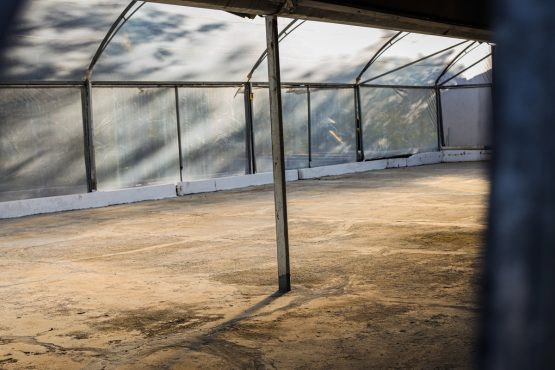
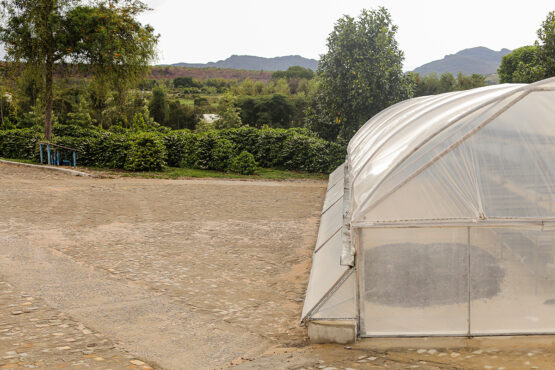
After picking, the cherries were transported to the estate’s wet mill, where each plots crop is processed and dried. This coffee was then processed using the pulped natural process. After pulping, the coffee was dried in greenhouses with the mucilage still attached—spread in layers of about four centimetres and turned several times a day to avoid seeds sticking together. Drying takes place primarily under shade, slowing down and extending the drying phase. Silvio tells us this is key in improving and ‘saving’ the fructose and all positive attributes found in the remaining mucilage, which will contribute to a higher quality and longer shelf life in the final cup.
Finally, the beans were separated into numbered lots and stored and rested in parchment in a purpose-built warehouse. They were then dry milled and prepared for export at Fazenda Progresso.