El Arcangel Caturra
Super clean with lemon myrtle and jasmine on the aroma. A creamy mouthfeel with notes of raspberry, elderflower and milk chocolate.
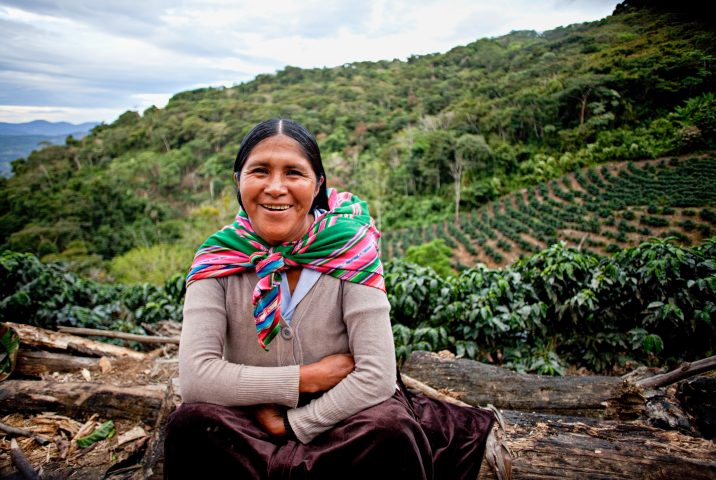
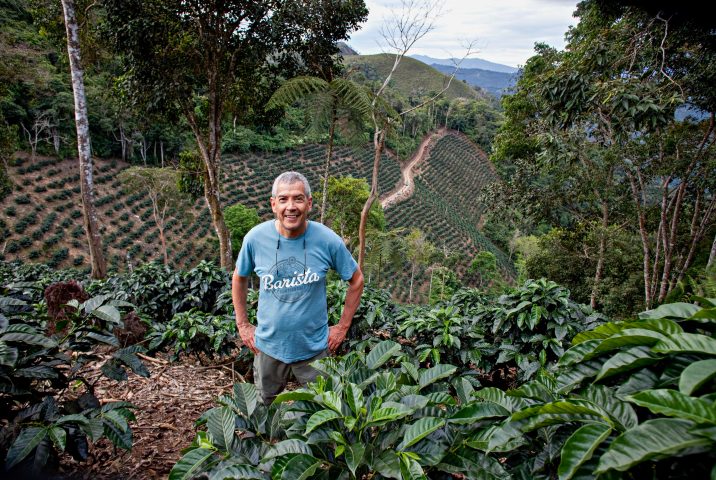
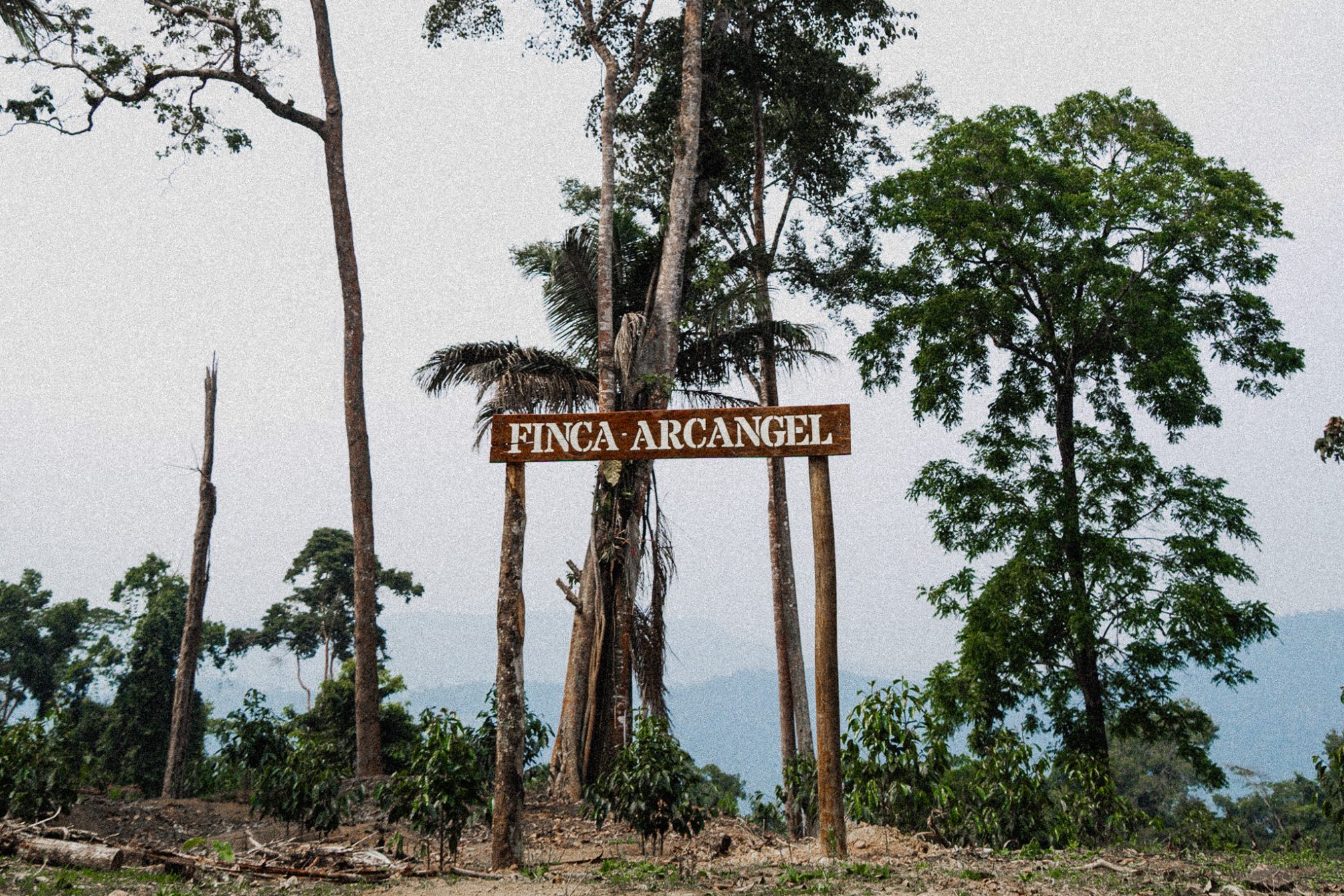
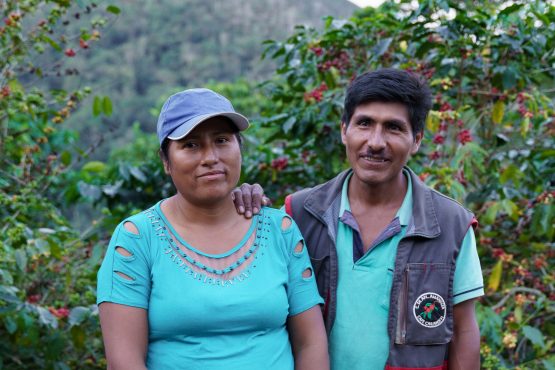
This very special 100% Caturra microlot comes from El Arcangel, a small farm owned by Pedro Rodríguez and his family. Over the last decade, Rodriguez has worked tirelessly to build production and expand the market for Bolivian specialty coffee, helping hundreds of local farmers recognise and realise the potential of their land and crops. The farm’s name, which translates to ‘the archangel’ in Spanish, was inspired by a large tree that used to sit at the centre of this farm, looking over it and protecting it like an angel.
El Arcangel is located in the colonia of Bolinda, which lies in a lush, steep mountain valley around 10 kilometres outside of the town of Caranavi. Bolinda was founded some 60 years ago and was once known as ‘Bolivia Linda’ or ‘Beautiful Bolivia’. Over the years this name was shortened to Bolinda, and it is now one of the larger settlements in the area.
El Arcangel was planted in 2014, and is ten hectares in size, five of which are under coffee. The farm sits at about 1,569-1,670 metres above sea level. This high altitude helps to ensure a slow maturation of the cherry because of the stable night-time temperature and mild day temperatures. The slow maturation leads to an increased concentration of sugars in the cherry and bean, which in turns helps to produce a sweeter cup of coffee.
Daniela Rodríguez, Pedro’s daughter, explained that many of the learnings from their earlier farms informed how they planted and have managed El Arcangel. She explained “This farm, in our eyes, is one of our most perfect plantations. Everything was planted and grew as it should in perfect alignment which is easy for picking. El Arcangel is a farm where we love spending time. It is a very relaxing place where angels live!”
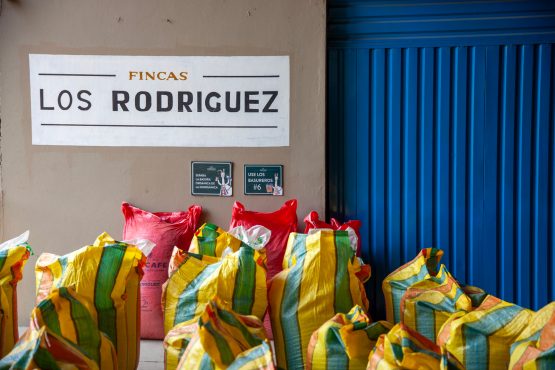
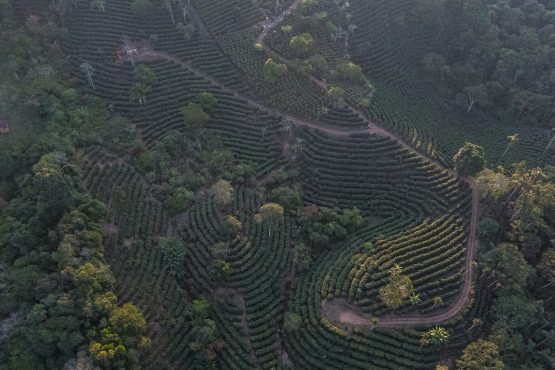
In recent years, the Rodríguez have renewed their sustainability efforts across their farms. Because they understand that plants are supported by nutrients found in the soil, their practices have shifted to ensure these are constantly being replenished. This includes incorporating fallen leaves and coffee pulp on the bases of each tree, and planting shade trees (including eucalyptus trees and Flamboyanas, a species known locally as “fire flowers” because of their beautiful foliage) in areas with high risk of erosion. Not only have these practices improved Caranavi’s reddish, sandy clay soils, they have also helped boost its biodiversity.
ABOUT CARANAVI
The inhabitants of Caranavi first started farming coffee in the 1950s, when a government-led agrarian reform resulted in small parcels of land (of around 10 hectares in size each) being redistributed back to thousands of largely Aymara families. The Aymara are one of Bolivia’s 36 indigenous nations, who originally lived on the highlands of the Altiplano (a vast plateau of the central Andes that stretches from southern Peru to Bolivia and into northern Chile and Argentina). Along with the Quechuas, who lived in the Bolivian lowlands, both groups immigrated to Caranavi to find a better life through agriculture.
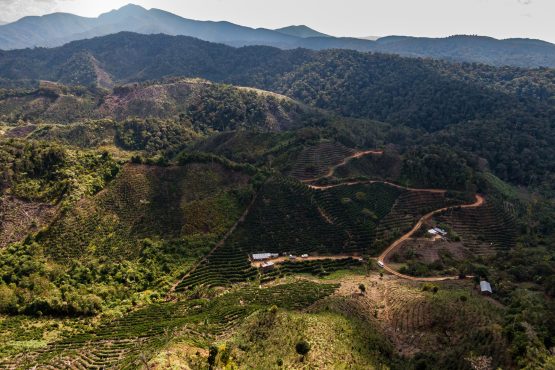
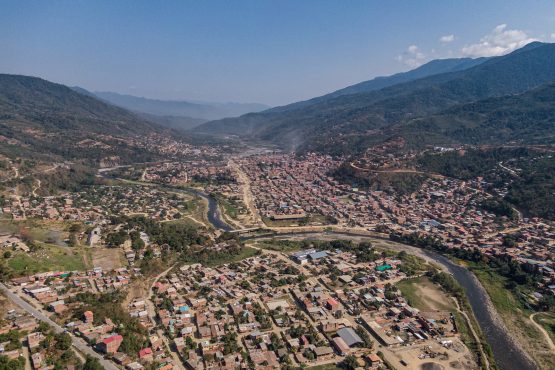
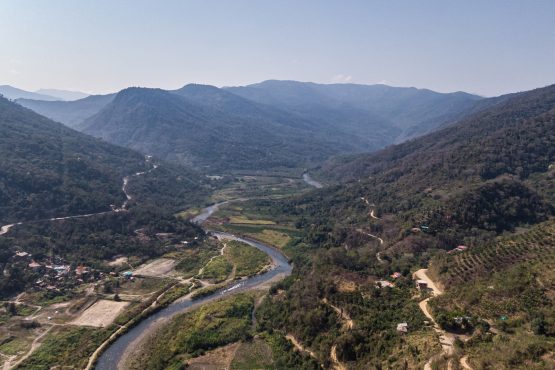
The municipality is located in the Yungas ecoregion, one of South America’s most fertile and diverse locations. The region runs along both sides of the Andes Mountains, and is known for the world’s highest lake, called Titicaca. In the Quechua language, Yungas translates to “the warm lands,” in reference to the rainy, yet warm climate experienced in the region.
HOW THIS COFFEE WAS PROCESSED
At El Arcangel, pickers from the Villa Rosario community and the state of Beni are hired to carefully handpick the coffee during the harvest. These pickers are hired by Elda and her husband Felix (Carmela Aduviri‘s son), and trained to select only the very ripest cherries, and multiple passes are made through the farm throughout the harvest to ensure the coffee is picked at its prime.
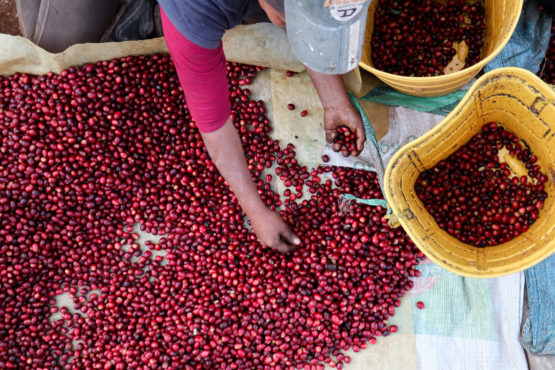
Pedro draws a lot of inspiration from the wine industry in his approach to coffee production, and is always innovating and trialling different processing techniques. This lot was processed with experimental techniques, part of the Rodriguez’ family’s long term strategy to achieve the greatest distinction and diversity in their special lots. As Pedro’s daughter, Daniela shares: “We’re keeping a registry of all the data we’re compiling, to use in the coming seasons. It includes information on the types of tanks used, bacteria and yeast activity, ambient temperature and weather conditions… we’re working hard to identify the ideal processing conditions for each variety and farm.” Watch the video below, to see how this coffee was processed:
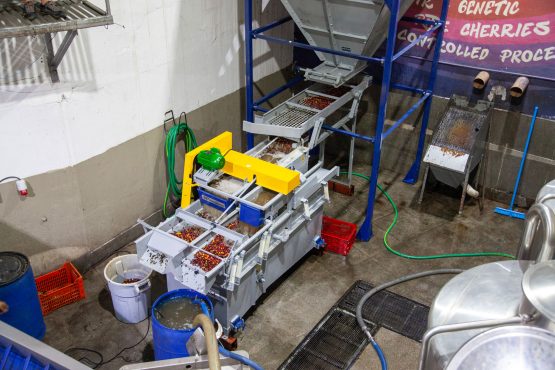
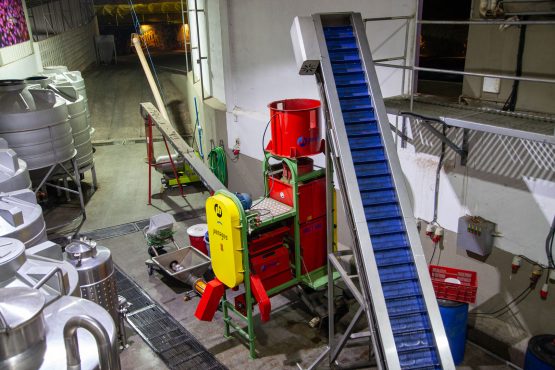
Cherries for this lot were delivered to Agricafe’s state of the art mill Buena Vista in the evening. After being inspected and weighed, the coffee cherry was carefully sorted by weight using water and disinfected, in a large capacity machine the Rodríguez family have dubbed ‘La Maravilla,’ which translates to ‘the wonder’ due to its efficiency. Following this, the coffee was transported to the mill’s water-efficient Penagos mechanical pulper using a conveyor belt. Not only do these pieces of equipment use significantly less resources than in previous years, but they both recirculate water several times before it is treated and returned to the local waterways.
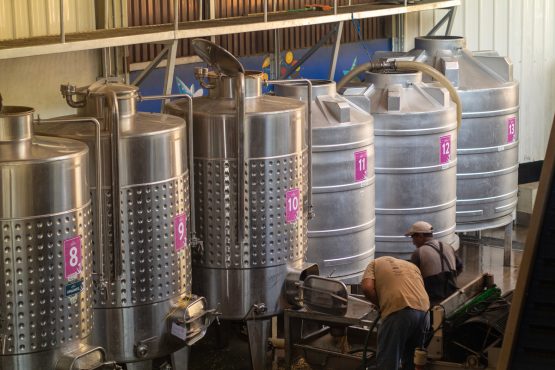
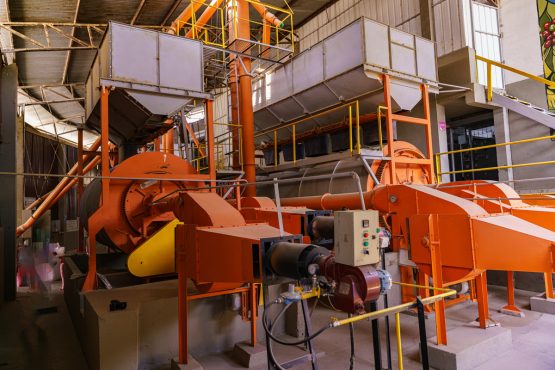
It was then fermented in a sealed stainless steel tank for 15 hours. The team at Buena Vista made sure the lid remained shut for the full period of fermentation, to ensure no oxygen touched the cherries and that the punch-like, boozy aroma remained trapped inside. The wet parchment was then washed with fresh, clean water and carefully machine-dried for 105 hours using a ‘guardiola,’ a horizontal, rotating drum that gets rid of moisture by creating a warm, consistent flow of air around the coffee.
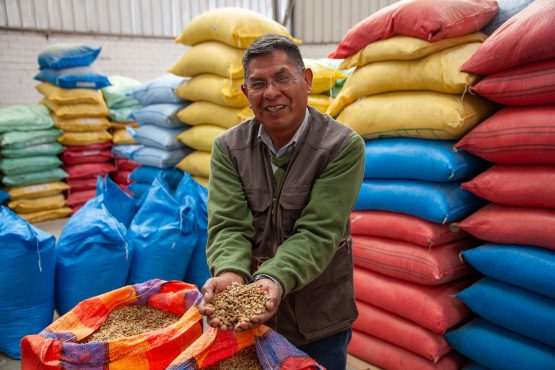
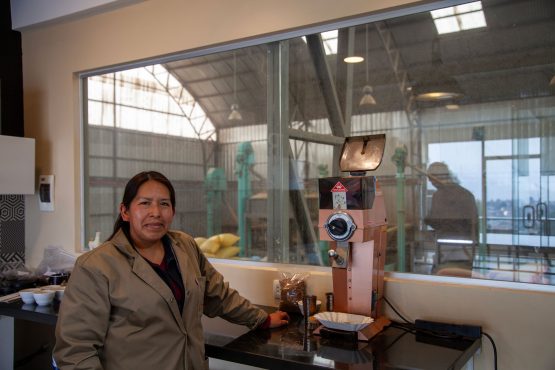
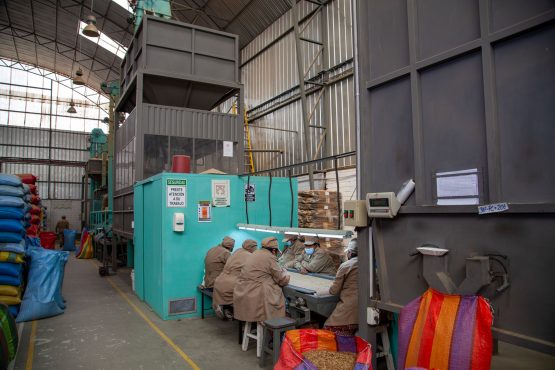
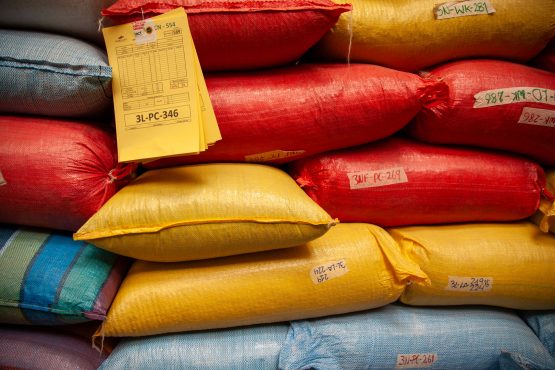
Once the coffee was dry, it was transported to La Paz where it was rested before being milled at Agricafe’s dry mill, La Luna. At this state-of-the-art mill, the coffee was first hulled and sorted using machinery, and then by a team of workers who meticulously sorted the coffee again (this time by hand) under UV and natural light. The mill is one of the cleanest and most impressive we have seen – you can read more about it here.