Kiamaina AB
Fresh strawberry and mandarin balanced by a syrupy mouthfeel and cacao nibs on the finish.
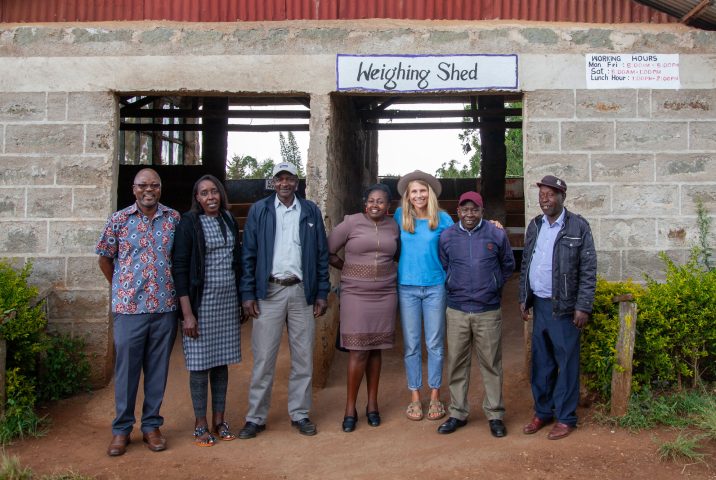
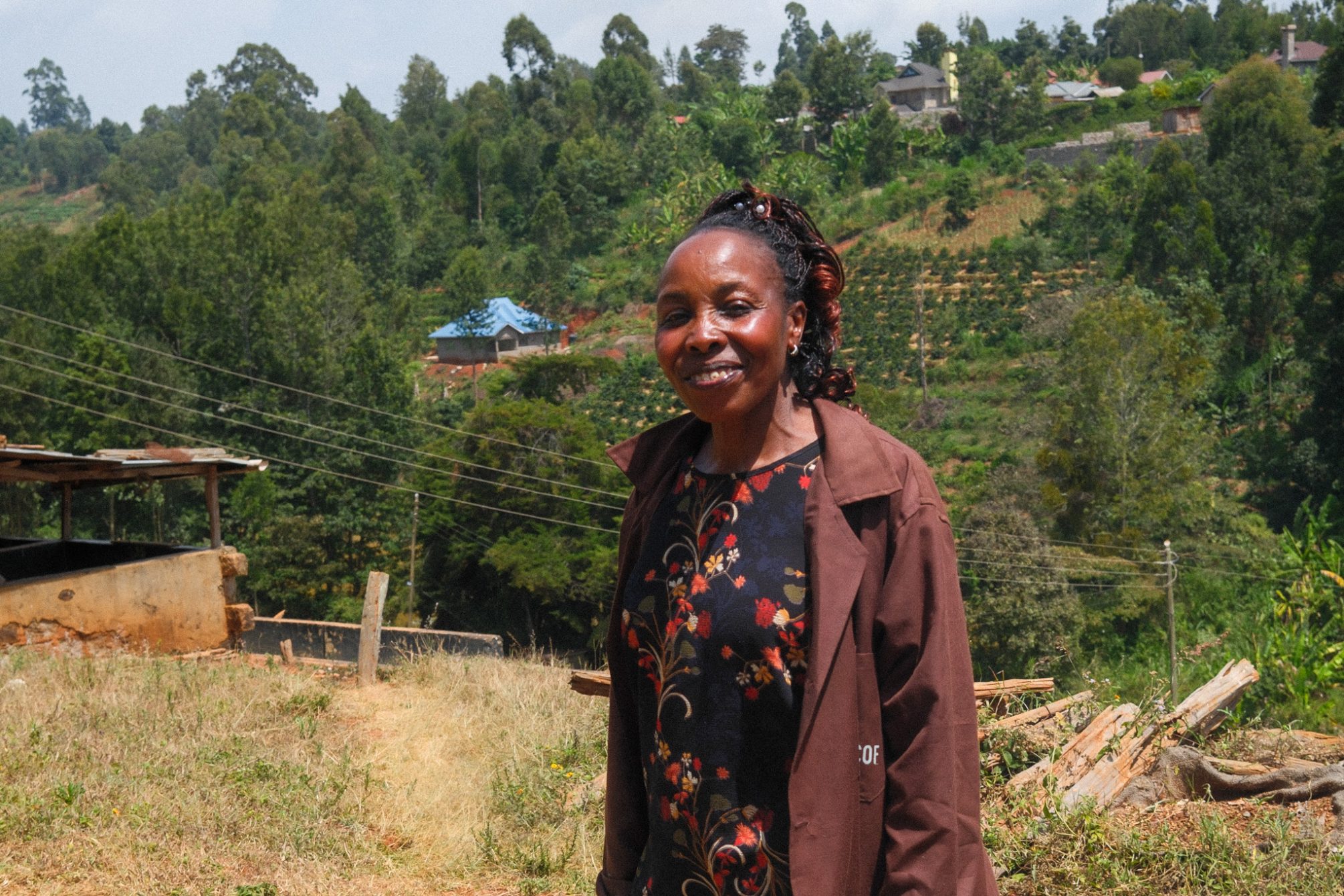
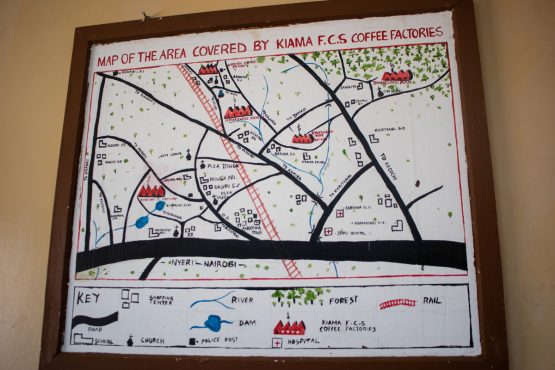
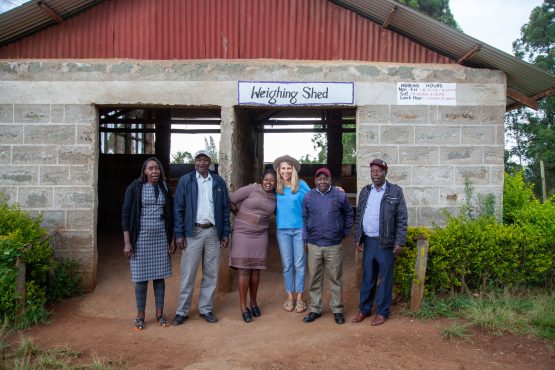
Established in 1974, Kiamaina is one of four washing stations (or factories as they are known in Kenya) owned by the forward-thinking Kiama Coffee Farmers’ Cooperative Society (FCS). Led by Purity Wanjiku Muriuki – the first female Factory Manager in Kiama FCS — Kiamaina supports some 1,960 of the cooperative’s members.
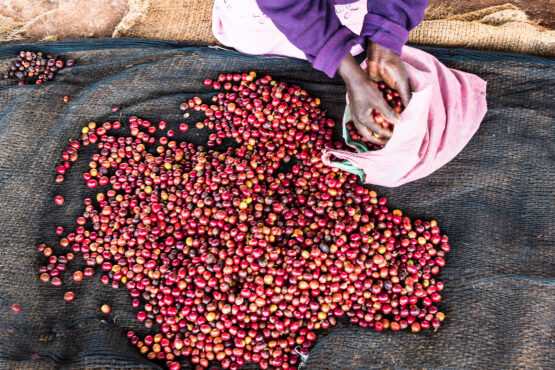
Cooperative members who deliver to Kiamaina have small farms close by that sit at an average elevation of 1,750 – 1,850 meters above sea level. The region is defined by its bright red, nutrient rich volcanic soil and this combined with the cool climate a contributes to the outstanding quality of coffee that is produced here. Contributing farmers usually live within a three kilometre radius of the factory, and often deliver by foot, bicycle or motorcycle. Because processing begins at 3:00 PM sharp, most contributors start delivering their crop from 10:00 AM, though this can extend into the afternoon at the peak of the harvest.
Upon delivery, farmers receive an initial advance payment for their cherry, with the full payment completed when the coffee is sold. At this stage, if Kiama secures a good price for the coffee (either through direct sale or at auction) farmers also benefit from a better price. Both the tracking of volumes delivered and payments are done digitally, to streamline the payment process.
ABOUT KIAMA FARMERS’ COOPERATIVE SOCIETY
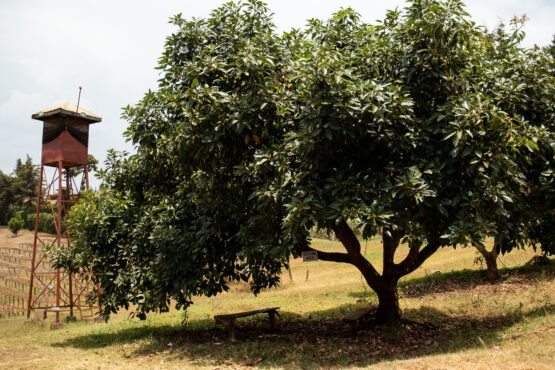
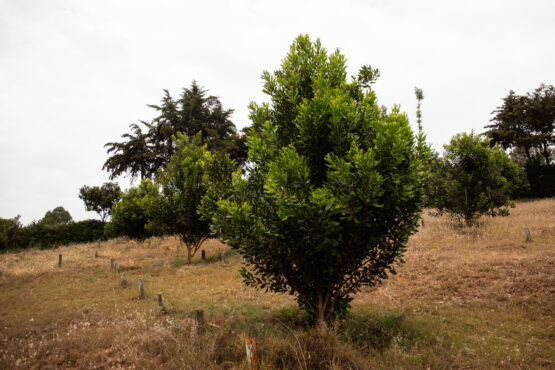
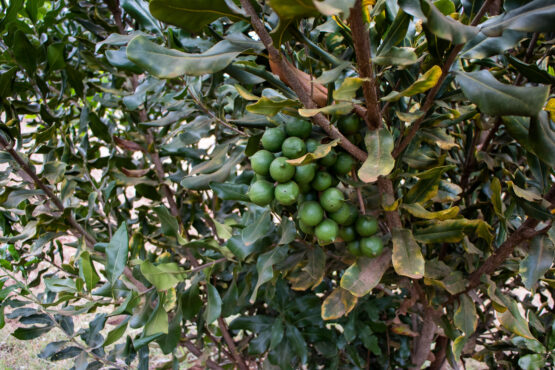
Kiama FCS was formed in 2005 when two existing cooperatives merged into one. Today they own four washing stations in Nyeri (Gachuiro, Kiangundo, Ichuga and Kiamaina), and a cherry collection point, Inwagi. In total, over 3,000 Nyeri farmers are members of the cooperative. Most own small shambas (Swahili for ‘farm’) averaging just half a hectare in size, and grow coffee alongside other food crops like banana, maize, macadamia, avocados and vegetables. While many of these are grown for consumption, crops like avocado and macadamia are also sold in local markets. Kiama encourage the production of macadamia in particular because it is not perishable, meaning farmers can wait to deliver and sell when the price is the best.
Kiama supports its farmer members by offering pre-harvest financing, allowing them to plan and invest in the upcoming crop. They also buy inputs in bulk and distribute them to members at a lower cost than otherwise possible and advise on the best timing of application. By providing farmers with strong agricultural support and reliable price premiums, Kiama’s membership has grown by over 20% since 2022 and volumes have doubled.
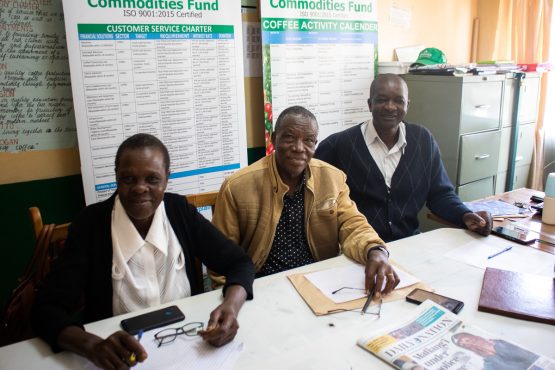
Kiama has six elected board members, who are all members of the cooperative. Board members are re-elected every three years (to avoid corruption), must be active farmers and must attend monthly trainings. The current chairman, Charles Ndamburi Nguve has led the board for 11 years, and is supported by by CEO and Secretary Manager Iddah Rose Wangui Kigathu. The cooperative currently employs 24 permanent staff members, who work out of their office in the town of Baricho, some 130km north of Nairobi.
Since the Kenyan government’s industry reforms in 2023, Kiama has connected more closely with coffee buyers by selling a small percentage of their production through direct sales, rather than through the auction. In this model, price negotiations are done directly between the grower (in this case, Kiama FCS, representing their farmer members) and the buyer (in this case, MCM). The benefit of this model are higher profits, as the buyer must offer competitive pricing to secure the coffee, and a faster turnaround time between the sale and the grower receiving their payments. Direct sales also support a more stable, meaningful and values-led relationship between the growers and their buyers and have become more widespread as the coffee sector adapts to the reforms.
ABOUT NYERI
Nyeri County is part of Kenya’s former Central Province, which was dissolved in 2013. The area includes Murang’a, Nyeri, Kirinyaga, Kiambu and Nyandarua Counties, and is the traditional homeland of the Kikiyu people. Historically, Kenya’s central highlands are some of the wealthiest areas of the country, due to the incredibly fertile land, geographical proximity to the capital, Nairobi, and close integration with the country’s colonial administration before Kenya gained independence in 1962. This integration afforded the communities of Central Kenya with opportunities for education, business and political prowess, despite the various injustices of the colonial government. The Kikiyu people have a long and proud history of agriculture and the region is farmed intensively, with coffee, tea and dairy being the most important modern crops.
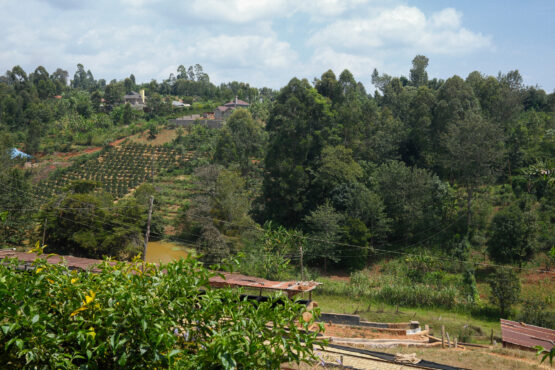
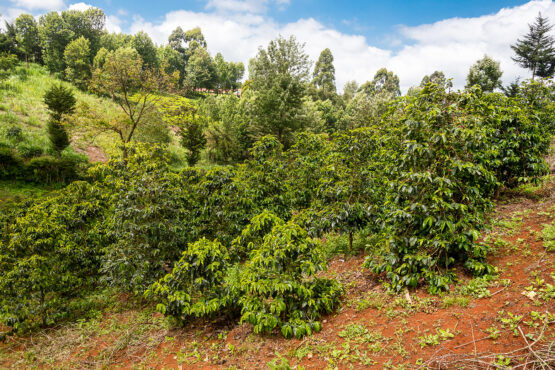
The coffees we source from in Nyeri are grown on the southern slopes of Mount Kenya, where the rivers flow and rainfall is consistent. Many of the producers in Nyeri are second-generation landholders. Most of the coffee in the region was originally planted in the 1950s, after agricultural reform allowed for Kenyan nationals to produce cash crops on their small family run farms (instead of only on large, British owned estates). At that time, it was recommended to plant SL28 and SL34, which remain the predominant varieties found in the area. Both cultivars have Bourbon and Typica heritage and are named after the laboratory that promoted their wider distribution in Kenya during the early 20th Century: Scott Laboratories. This lot also contains a small percentage of the hybrid varieties Ruiru 11 and Batian, which were cultivated as more robust varieties, with better resistance to Coffee Berry Disease and Coffee Leaf Rust. Both varieties have been backcrossed with SL28 and SL34 to achieve a high cup quality.
GRADING
Kenya uses a grading system for all its exportable coffee lots. The grading system is based on the size and assumed quality of the bean. A coffee’s grade is directly correlated with the price it attracts at auction or through direct trade.
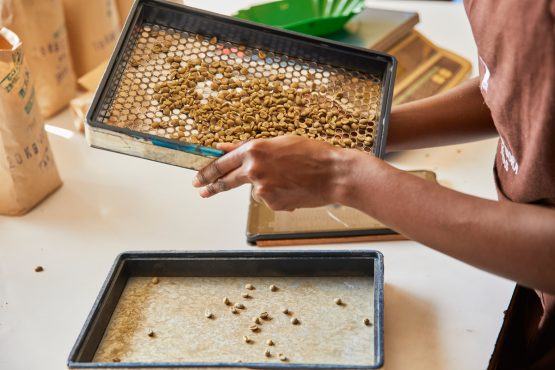
This coffee is AB grade. This grade is easily defined by size (in this case, AB means that the beans are screen size 15 and above) and to a certain extent, quality. While it is assumed that AA lots represent the highest quality, we have often found AB and PB lots to be as good, if not better.
HOW THIS LOT WAS PROCESSED
All the coffee cherry is hand-picked and delivered on the same day to the washing station, where it undergoes meticulous sorting. This is also done by hand and is overseen by a ‘cherry clerk’ who ensures any unripe and damaged cherries are removed. The ripe cherry is then digitally weighed and recorded, and the farmer receives a receipt of delivery.
The coffee is then placed in a receiving tank and pulped using a four-disc pulping machine to remove the skin and mucilage (sticky fruit covering) from the inner parchment layer that protects the green coffee bean. After being pulped, the coffee is sorted by weight using water, with the highest quality and densest beans being separated out from the lighter, lower-quality beans.
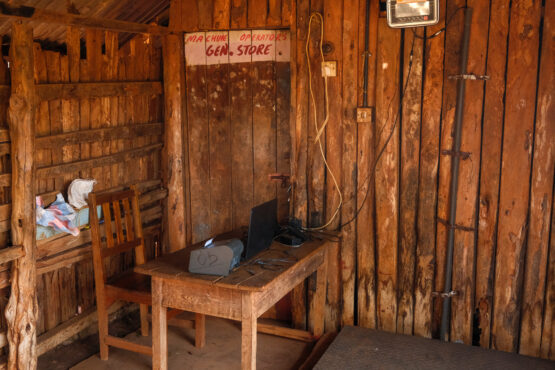
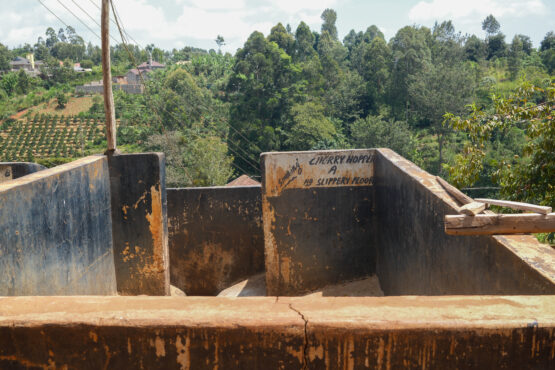
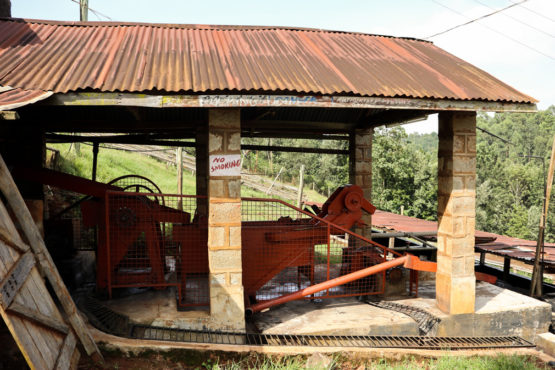
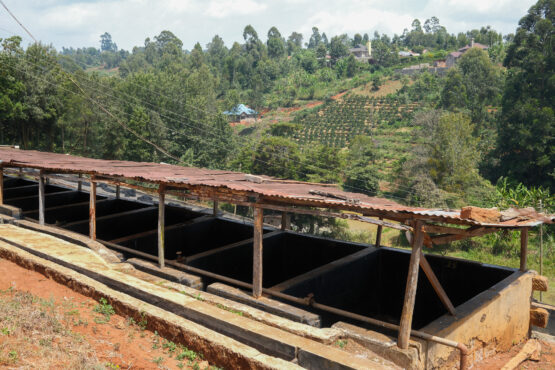
The coffee is then dry fermented for up to 24 hours, to break down the sugars and remove the remaining mucilage from the outside of the beans. Whilst the coffee is fermenting, it is checked intermittently and when it is ready it is rinsed and removed from the tanks and placed in a washing channel. The parchment-covered coffee is then washed with fresh water from a nearby dam established in 1941 and sent through water channels for grading by weight. The heavier coffee, which sinks, is considered the higher quality, sweeter coffee, and any lighter density or lower grade coffee beans are removed. The beans are then sent to soaking tanks where they sit underwater for a further 24 hours.
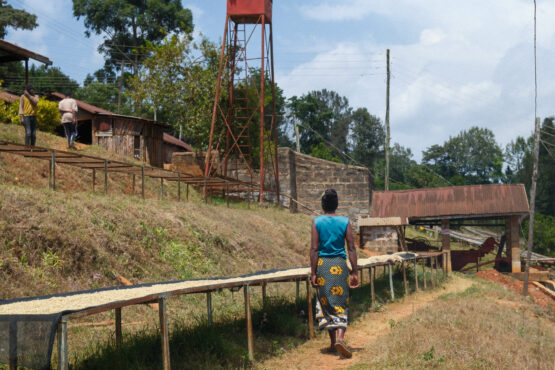
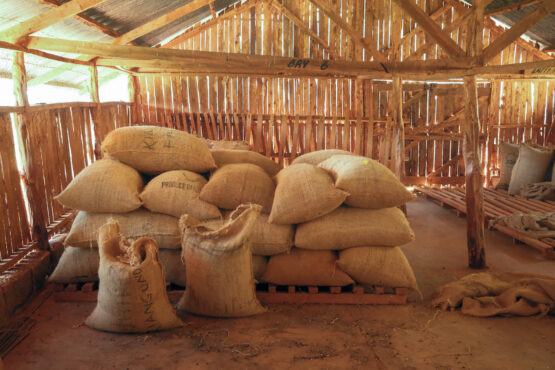
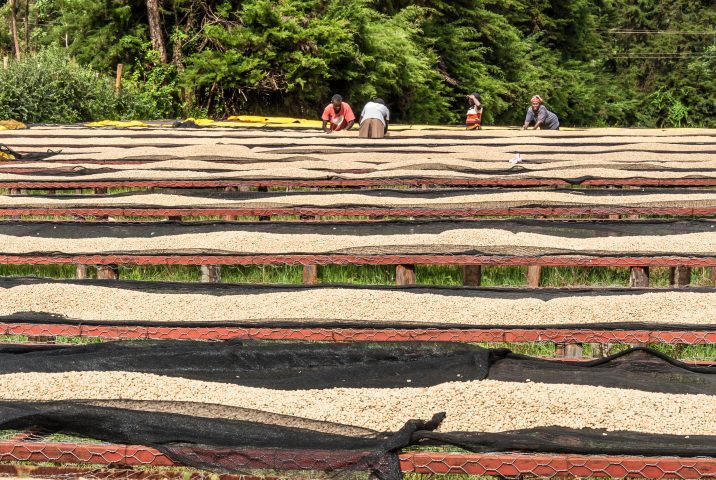
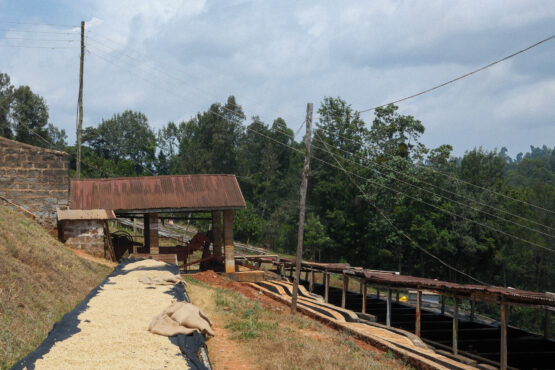
After soaking, the coffee is pumped onto deep drying beds where they drain for 1-2 hours, before being transferred to raised beds. As they dry the parchment is turned constantly to ensure even drying, and so that any defective beans can be identified removed. Time on the drying tables depends on the weather, ambient temperature and processing volume: taking anywhere from one to three weeks to get to the target moisture of 11–12%. After drying the coffee is moved to conditioning beds, where it rests in parchment for about a month. This resting period helps to stabilise water activity and contributes to long-lasting quality and vibrancy in the cup.