Kidogo Peaberry
Crisp lemon-lime acidity with toffee apple sweetness. Strawberry, kiwi fruit and cola.
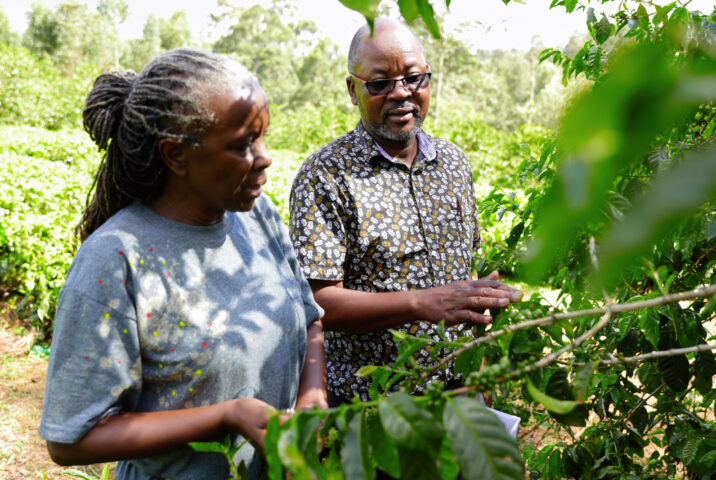
Kidogo is a special blend made up of peaberry grade beans from four small estates: Kabumbu, Faith, Mutura and Kamvara. While Kabumbu and Faith are located in Kirinyaga, Mutura and Kamvara are found in Embu, two highly acclaimed regions known for producing some of Kenya’s most exceptional coffees.
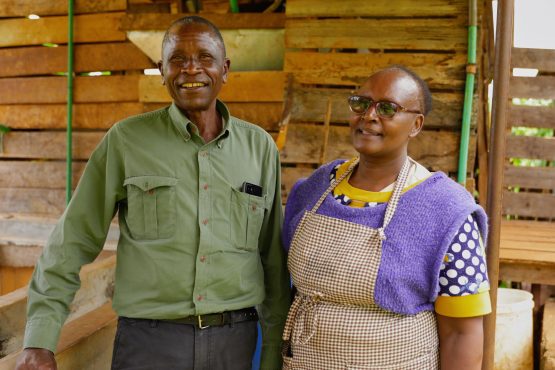
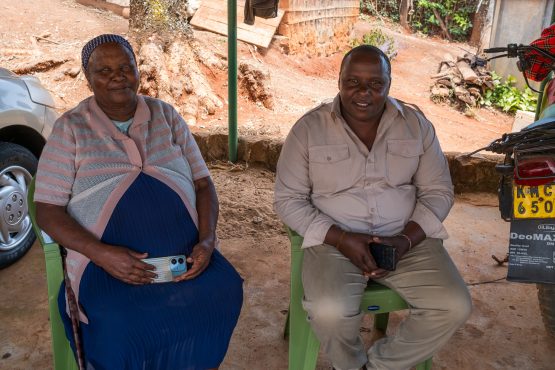
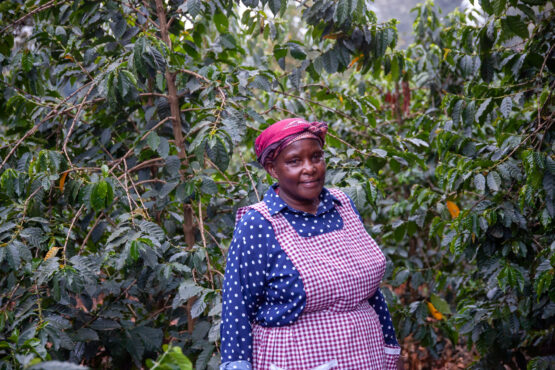
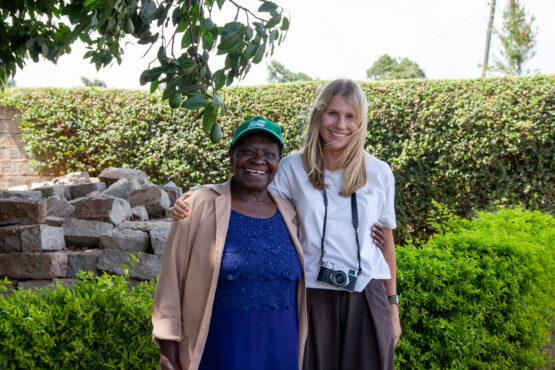
The Kidogo blend is a result of our commitment to purchasing the entire crop, or outturn, of the four estates that produced it. Because the separated peaberry lots from each producer’s overall crop were too small to sell on their own, we decided to combine them as a single line. Not only did their flavour profiles complement each other, but all four estate-holders grow coffee following similar quality-focused practices: a great care for their land and community, minimal use of agrochemicals, and meticulous processing practices.
ABOUT EMBU & KIRINYAGA
Embu County is part of Kenya’s former Eastern Province, while Kirinyaga belonged to the Central Province; both were dissolved in 2013 when they were replaced by the county system. Embu borders Kirinyaga to the west, while Kirinyaga borders the Murang’a and Nyeri coffee regions. Embu is the traditional home of the Embu, Kamba and Mbeere people and Kirinyaga is home to the Kikiyu. The valley that sits between Mt. Kenya and the Aberdare Mountains is considered to be some of the country’s most fertile land. As a result, the Kikiyu, Embu, Kamba and Mbeere people have long and proud histories of agriculture and cattle-raising.
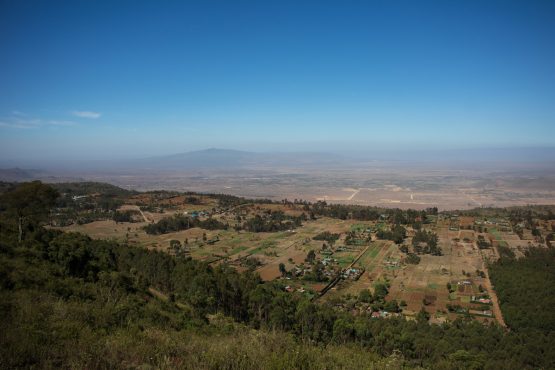
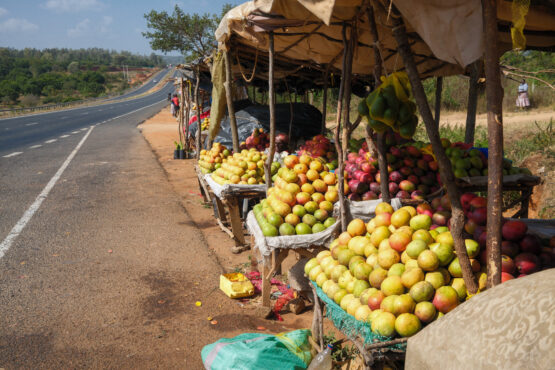
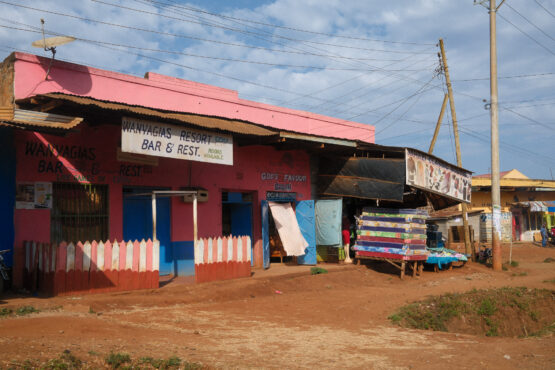

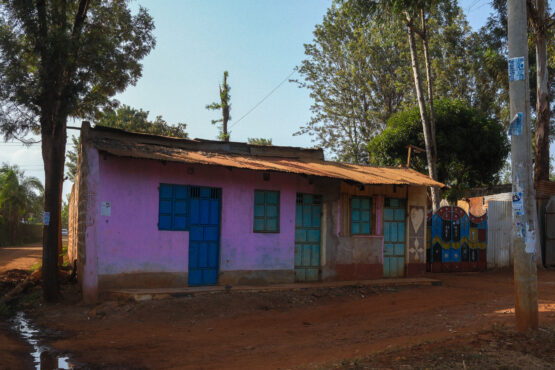
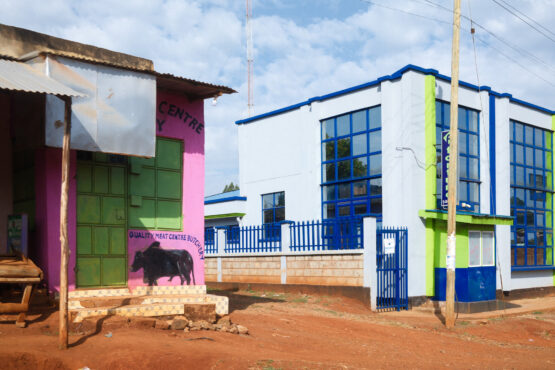
Many of the producers in both regions are second-generation landholders, whose parents purchased and planted the land in the 1950s and 1960s, after agricultural reforms allowed for Kenyan farmers to produce cash crops on their family farms (instead of only on large, British owned estates). This integration afforded some of the communities who lived here with opportunities for education, business and political prowess, even if most smallholders still had to endure the various injustices and limitations placed by the colonial government. That’s why, independent estate owners who are able to process and sell their own crop are incredibly proud of their work, as it affords them access to markets and opportunities that have been historically difficult to reach.
GRADING
Kenya uses a grading system for all its exportable coffee lots. The grading system is based on the size and assumed quality of the bean. A coffee’s grade is directly correlated with the price it attracts at auction or through direct trade.
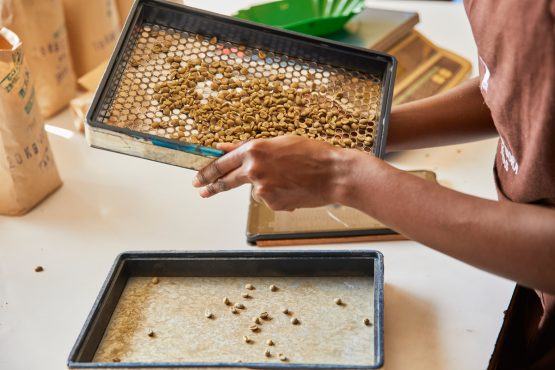
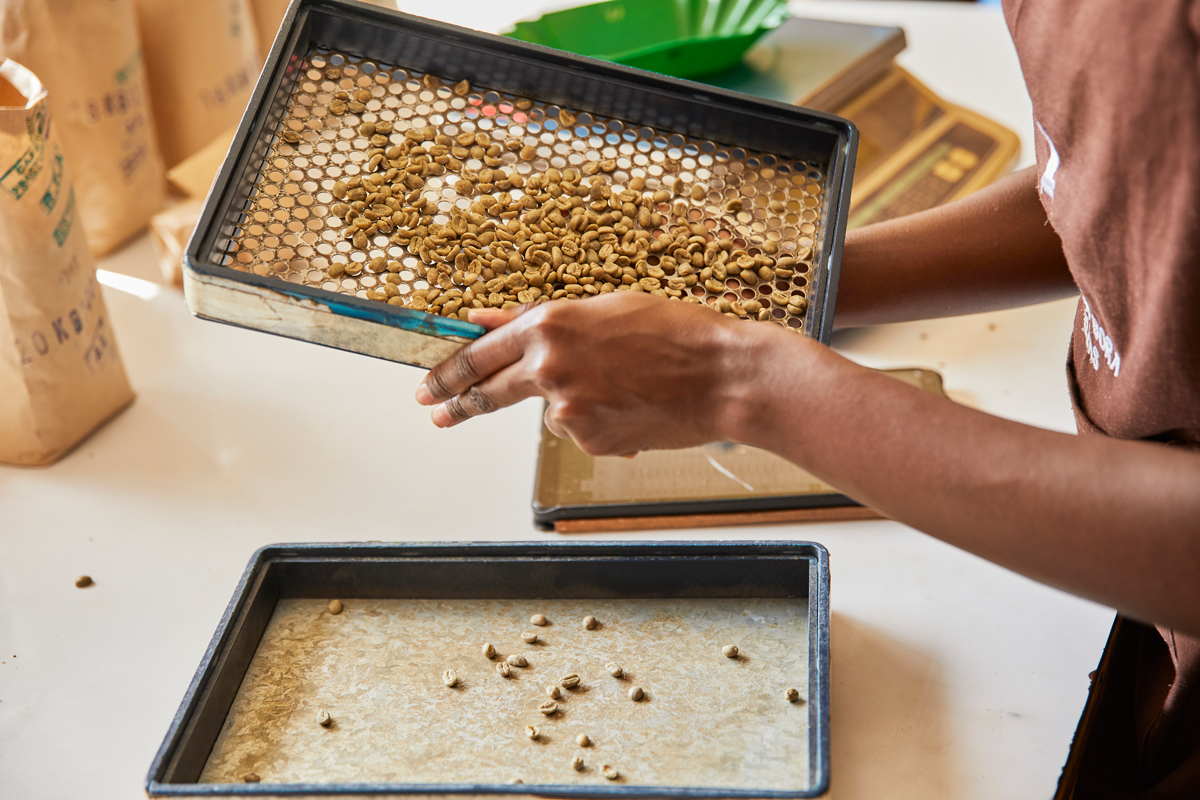
This lot is PB grade. This grade is easily defined by the physical characteristics of the bean (in this case, PB means peaberry, or where a single bean has grown inside a cherry instead of a pair) and to a certain extent, quality. While it is assumed that AA lots represent the highest quality, we have often found PB lots to be incredibly complex and refined.
HOW THIS LOT WAS PROCESSED
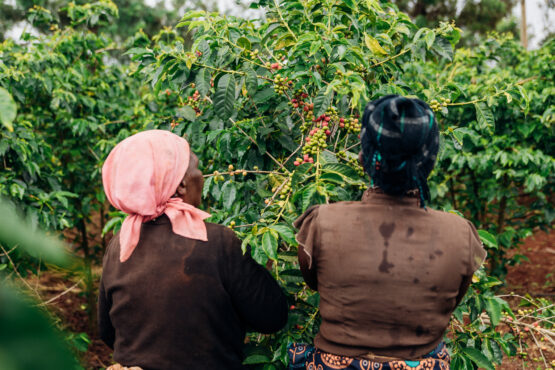
The coffee was carefully hand-selected by seasonal workers under each producer’s supervision. During the peak of the harvest, cherries are carefully picked, to ensure only the ripest are selected. After sorting, cherry was pulped using a pulping machine, which removes the skin and fruit from the inner parchment layer that protects the green coffee bean.
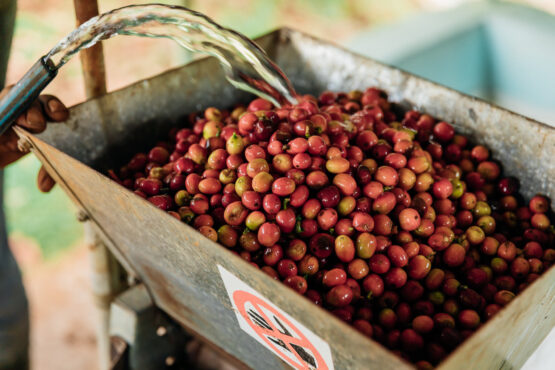
The coffee was then dry fermented for 16-24 hours, to break down the sugars and remove the mucilage (sticky fruit covering) from the outside of the beans. Whilst the coffee was fermenting it was checked frequently, and when ready it was rinsed and removed from the tanks.
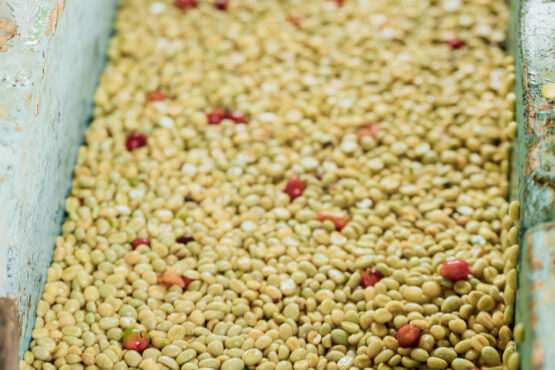
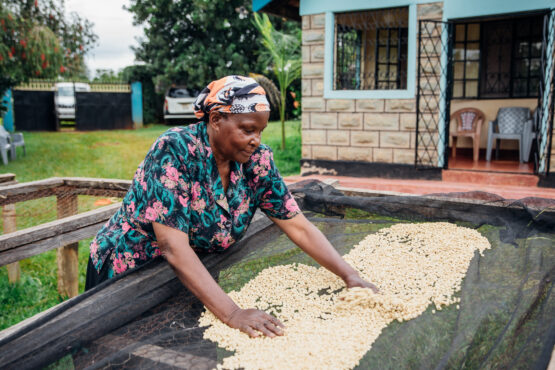
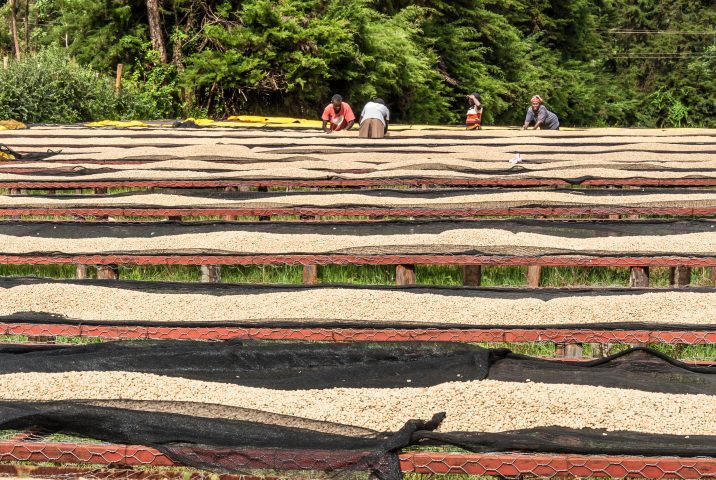
Using fresh water from the nearby streams, the parchment-covered coffee was soaked in clean water for another 24 hours and then washed and graded in water channels, before being transferred to raised drying tables. During the drying stage, which takes up to three weeks, the drying parchment was turned constantly to ensure it is dried evenly, until it reached 11–12% humidity. Once ready, coffee was dry milled and prepared for shipping.
WHAT’S IN A NAME?
Kidogo means ‘little,’ or small’ in Swahili, which we felt aptly describes this special blend: small in physical size and volumes, but big in flavour.