Miguel Zelaya Coco Natural
Vibrant mandarin orange with yellow nectarine and pecan praline sweetness. Great clairity and balance.
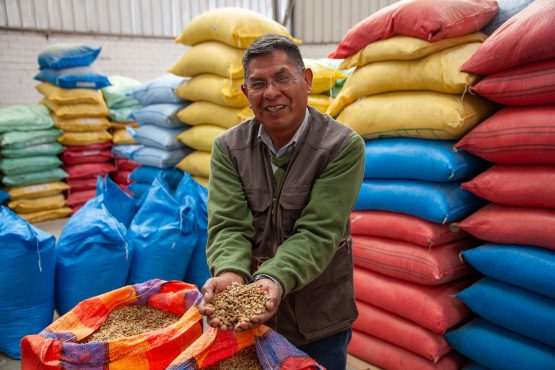
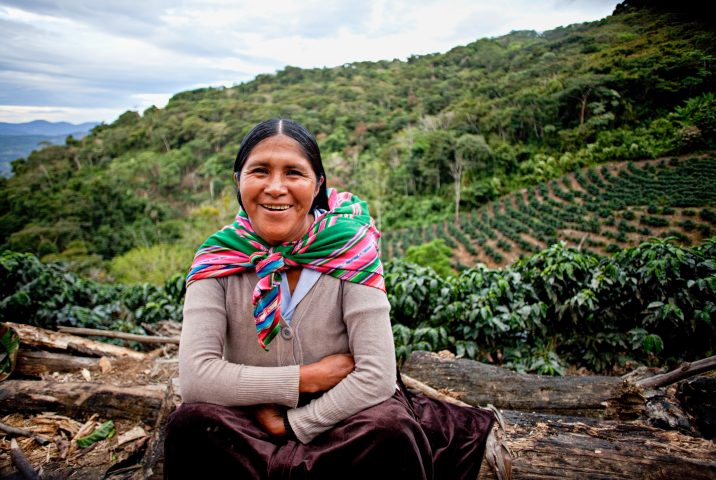
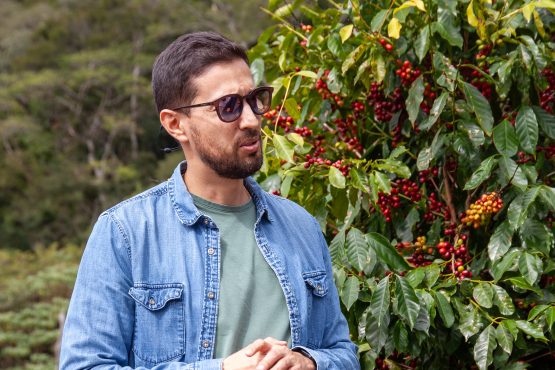
This special microlot was produced by Miguel Zelaya and his wife Susana, who grow coffee on the lush hills of Taipiplaya, a remote township on the outskirts of the Caranavi province. Taipiplaya is one of the most exciting coffee-growing regions in Bolivia, with producers like Miguel and Susana uncovering its true potential through methodical, conscientious farming. First-generation coffee growers, Miguel and Susana’s farm is yet to be christened — but they promised to find a name for it by the next time we visit.
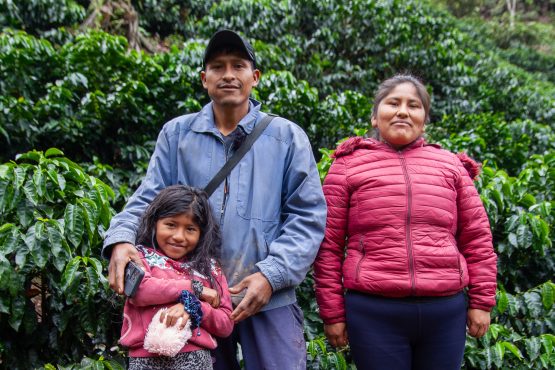
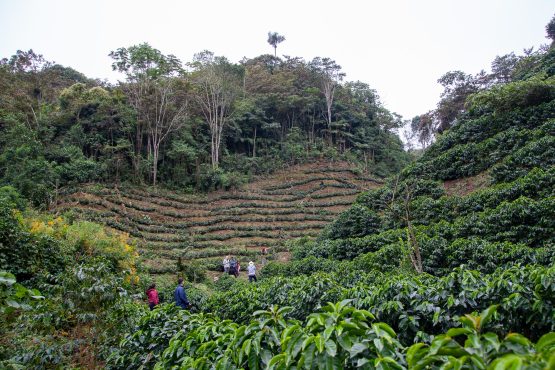
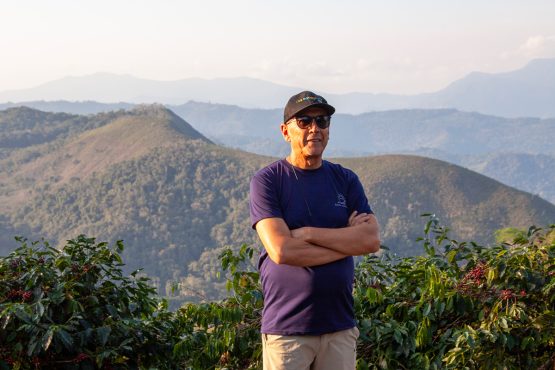
Miguel Zelaya is an audacious farmer who has spent most of his adult life working the fields. Having grown up in Sucre, in central Bolivia, he moved to Rio Negro, Argentina looking for better income opportunities by working in agriculture. There, Miguel spent a few years leasing land and growing food crops like onions, tomatoes and apples, which he also harvested and sold. With the income he saved, in 2015 Miguel purchased a plot of land in Taipiplaya as an investment for the future, since it was already planted with coffee trees.
Because his business in Argentina was thriving, Miguel continued working there until the Covid-19 pandemic and its effects made it difficult for him to find land to keep leasing. Knowing he had a property back in Bolivia, Miguel returned to his home country intent on replicating the success he had found in Rio Negro. Unfortunately, the farm was far from healthy or productive, as it was only growing older Typica trees that had received little to no care in years. Miguel remained convinced there was a way to bring the estate back from the brink, however. As he had done time and time again in Argentina, he knew that with the right knowledge and considered planning, he could make his coffee farm as successful as his previous plantations abroad.
For his first attempt at renewing his farm, Miguel received Castillo-variety seedlings through a government program. While helpful and well-intentioned, this approach lacked a long-term plan — and, sadly, relied on a variety that is not well-suited to Taipiplaya’s microclimate. Fortunately for Miguel and Susana, the region is home to many farmers who work with the Rodríguez family of Agricafe Bolivia. Founded by Pedro Rodríguez, who is now supported by daughter Daniela and son Pedro Pablo, Agricafe works tirelessly to build the production of, and market for, Bolivian specialty coffee, through the family’s 12 farms in the regions of Caranavi and Samaipata (known as ‘Fincas Los Rodríguez’) and through Sol de la Mañana, a mentorship program that has helped hundreds of local farmers recognise and realise the potential of their land and crops.
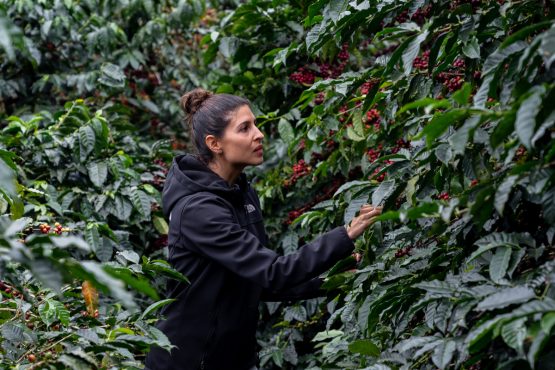
The Sol de La Mañana program is set up as a ‘school for producers,’ starting with the basics. Bolivian terroir has great potential for productivity and excellent cup quality, but a lack of infrastructure, government support and agricultural training has resulted in a weak and unproductive coffee sector. To combat this, the Sol de la Mañana curriculum focuses on one aspect of farming at a time and covers things such as how to build a nursery, how and when to use fertiliser, how to prune and how to selectively pick. Since the initiative’s first year of operations in 2014, when the first 10 producers enrolled, Sol de la Mañana has grown to support over 100 coffee-growing families, who have seen the quality and yields of their crop increase significantly, leading to better incomes and greater financial security for producing families. Watch the video below to learn more about the program’s history:
Once enrolled in Sol de la Mañana, Agricafe’s head agronomist Rodrigo Frigerio visited Miguel and Susana and gave them advice on the best techniques to breathe life back into their farm. Miguel’s first step was to establish a nursery with Caturra and Catuaí trees, and to prepare his first plot of land for coffee. Doing all the work himself, and following Rodrigo’s advice, Miguel spent months tilling and levelling a quarter of an acre on the west-facing side of a hill, planting his first trees in 2023. Since then, he has continued to find other sites on his property with the same aspect, expanding his production to the 1.25 hectares he currently grows.
On our first visit to his farm, Miguel was full of energy, excited to show us how well his trees were doing. As an experienced farmer, Miguel has combined what he has learned from Agricafe with his own savvy curiosity and has pruned and replanted some of the property’s original Typica trees following Sol de La Mañana practices into a separate plot, as he is determined to learn more about coffee varieties. “The way Agricafe have shown us to farm is better,” he told us. “The farm is also prettier, so our goal is to continue this way.”
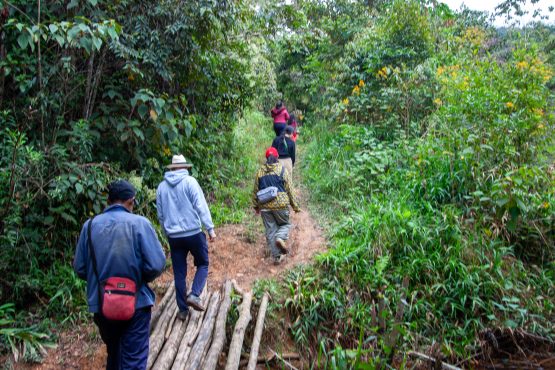
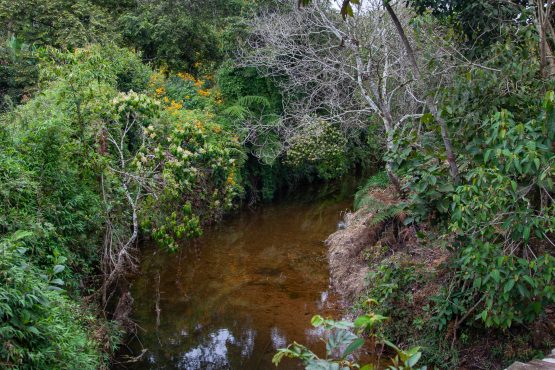
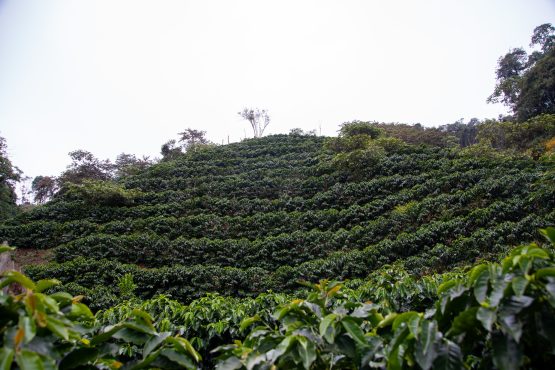
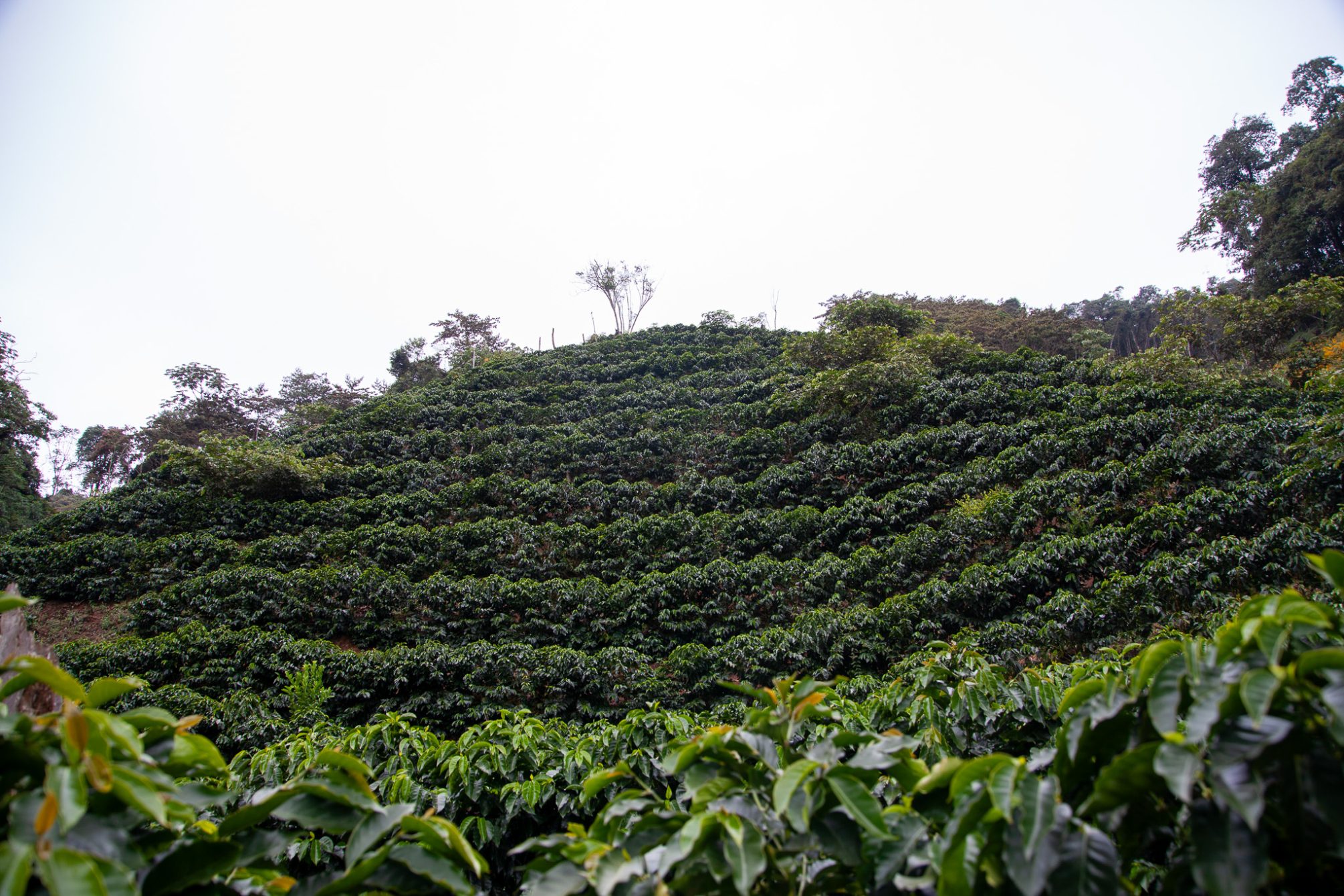
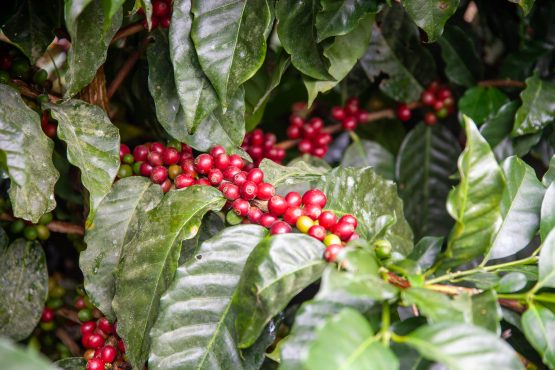
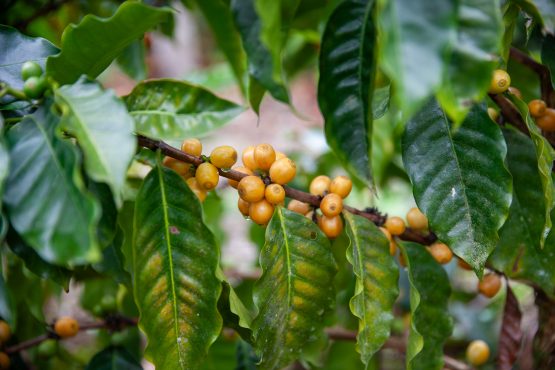
When we mentioned we wanted to take photos of his impressive property, Miguel and Susana took us to the most vibrant plot they had established, recognising it represented what they hoped would be the future of their farm. The hike was steep — it involved walking through overgrown native trees and across a small creek, with Miguel himself remarking, “[It] feels like we’re in a survival movie walking through here!” Yet, upon arriving at the plot, we understood why he was so adamant we photograph it: beautiful, ripe coffee cherries were growing in neat rows as far as the eye could see! Though his plantation is only 18 months old, Miguel and Susana expect to harvest close to 12 tonne of cherry for 2025— with more to come in the future, as the rest of their trees come into full maturation.
Head here to learn more about the wonderful Sol de La Mañana program, and here to learn more about the incredible work the Rodríguez family and Agricafe are doing in Bolivia.
ABOUT TAIPIPLAYA
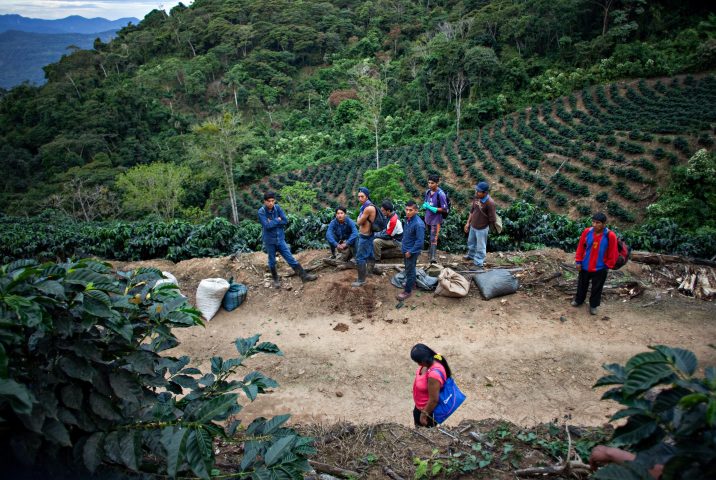
Taipiplaya is a new growing region the Rodríguez family have turned their focus to in recent years. While coffee is not new to Taipiplaya, and Agricafe was already sourcing lots from producers in the region, they’ve only expanded their Sol de la Mañana program here since 2018. The township is difficult to access — the dirt roads that make up most of the three hour drive from Agricafe’s Buena Vista mill are windy and hard to traverse, but Pedro believes the potential for quality and volume found here are hard to match anywhere else in Caranavi. You can learn more about Taipiplaya straight from Pedro Rodríguez himself in the video below:
Taipiplaya’s terroir is exceptionally fertile and healthy because most of the region remains unfarmed and practically untouched. While Agricafe are hoping to establish their own farms in the township, they are already sourcing coffee from some 100 producers in the region, ten of whom are already part of the Sol de la Mañana mentorship program. In total, this volume accounts for nearly a quarter of the total coffee Agricafe process, which they are hoping to grow in the coming years. On our most recent visits, we’ve met several producers who have recently enrolled in Sol de la Mañana. While we’ve already begun sourcing their coffee, as their trees mature, our hope is to see their productions increase so they can continue uncovering more of the region’s potential.
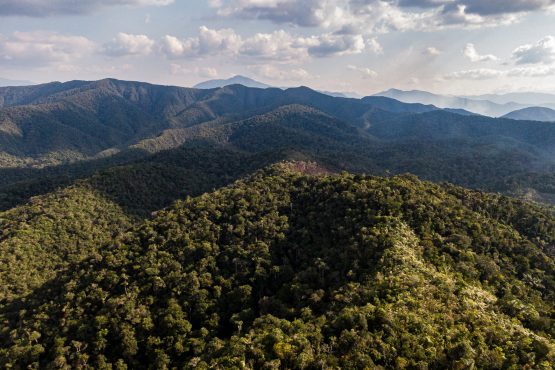
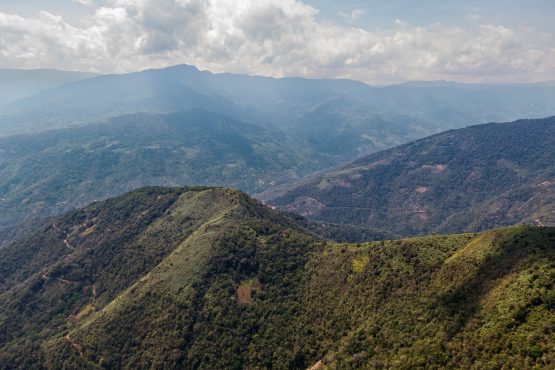
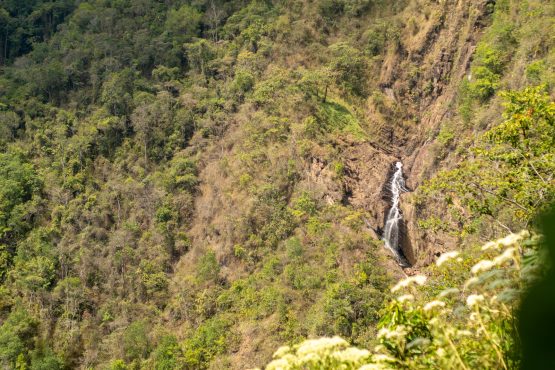
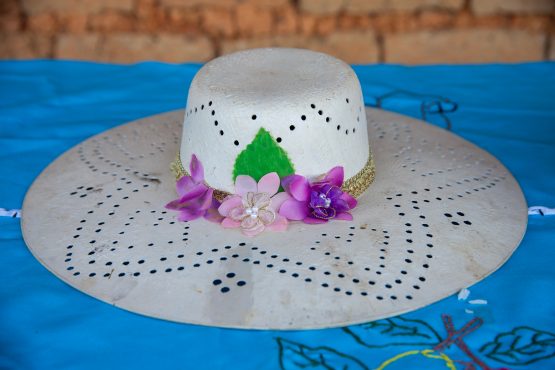
Taipiplaya is home to some 200 Quechua families, many of whom originally immigrated from other departments in central and southern Bolivia to make a living out of agriculture. The cultural difference between the Aymara and Quechua communities who populate Caranavi is marked, with Quechua women being well-known for their round, wide-brim hats, while Aymara women tend to wear long, colourful skirts.
ABOUT CARANAVI
The inhabitants of Caranavi first started farming coffee in the 1950s, when a government-led agrarian reform resulted in small parcels of land (of around 10 hectares in size each) being redistributed back to thousands of largely Aymara families. The Aymara are one of Bolivia’s 36 indigenous nations, who originally lived on the highlands of the Altiplano (a vast plateau of the central Andes that stretches from southern Peru to Bolivia and into northern Chile and Argentina), in Bolivia’s north. Along with the Quechuas, who lived in the Bolivian lowlands, both groups immigrated to Caranavi to work in agriculture.
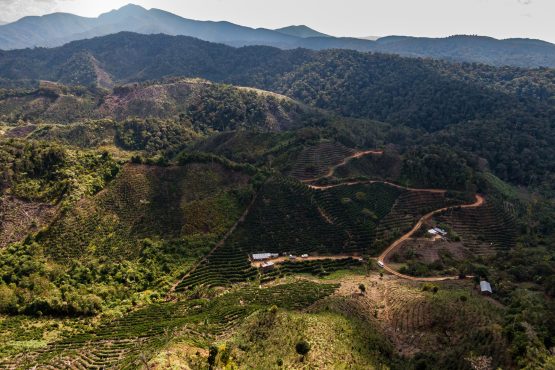
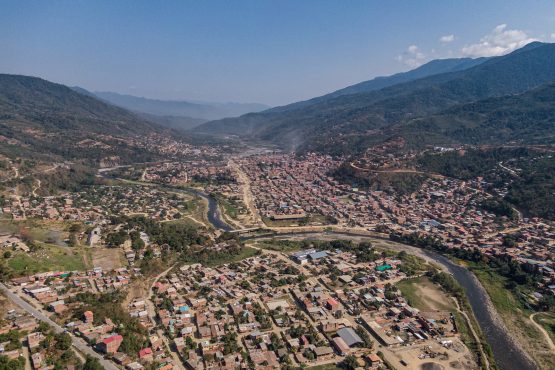
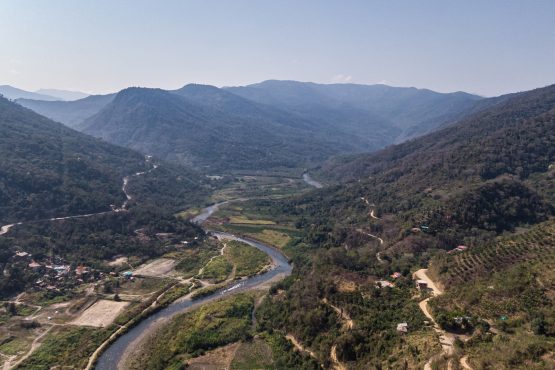
The municipality is located in the Yungas ecoregion, one of South America’s most fertile and diverse locations. The region runs along both sides of the Andes Mountains, and is known for the world’s highest lake, called Titicaca. In the Quechua language, Yungas translates to “the warm lands,” in reference to the rainy, yet warm climate experienced in the region. Caranavi is the epicentre for specialty production in Bolivia, with incredibly high elevations, rich soil, and wide daily temperature ranges providing the perfect conditions to produce exceptional coffee.
HOW THIS COFFEE WAS PROCESSED
This particular lot from Miguel and his family was carefully hand-picked and processed on the same day at the Buena Vista washing station. This meticulously run mill is owned by Agricafe, who painstakingly process each of the exceptional specialty lots they receive separately to allow for full traceability back to the individual farmer or family.
Agricafe draw a lot of inspiration from the wine industry in their approach to coffee production, and are always innovating and trialling different processing techniques at Buena Vista. This coffee was processed with experimental techniques, part of the Rodriguez family’s long term strategy to achieve the greatest distinction and diversity in their special lots. Watch the video below to see how Miguel’s coffee was processed:
Evenings at the mill are always bustling as arrivals of fresh cherries begin in the late afternoon, after the day’s picking, and continue long into the night. It is widely known around Caranavi that only perfectly ripe cherries will be accepted by Buena Vista and all lots are inspected on arrival prior to processing. In an arrangement somewhat unique to the area, many farmers use taxis to deliver coffee, and by 7 pm a long line of taxis forms along the road leading to the mill.
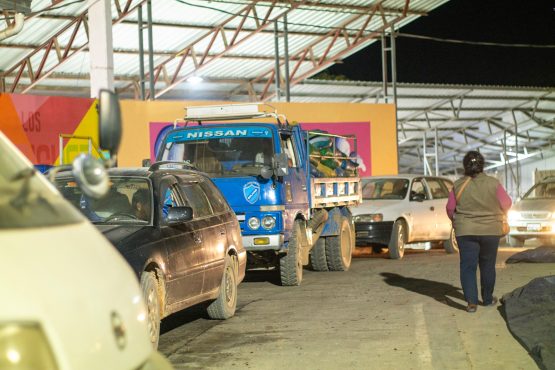
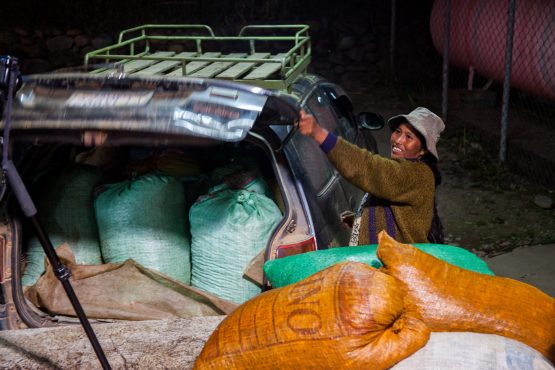
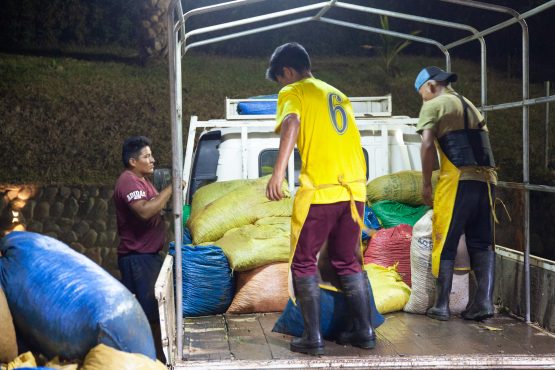
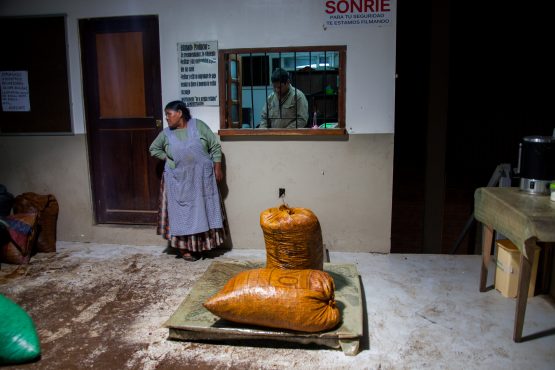
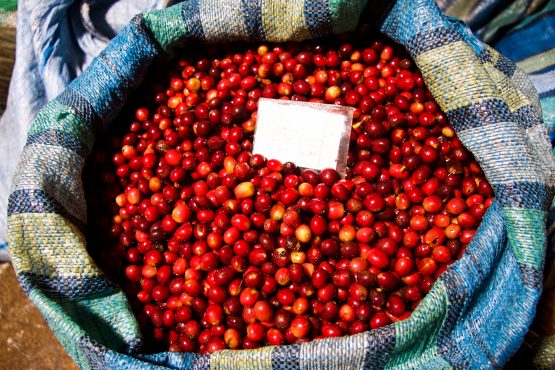
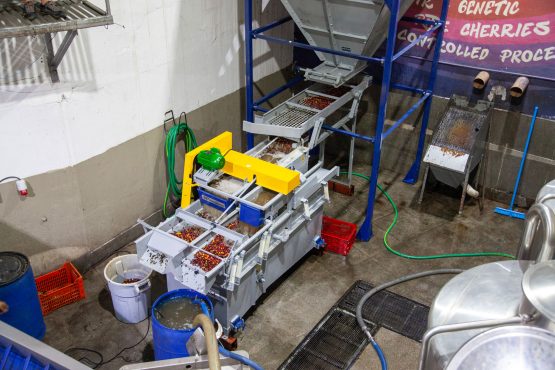
Cherries for this lot were delivered to Agricafe’s state of the art mill Buena Vista in the evening. After being inspected and weighed, the coffee cherry was carefully sorted by weight using water and disinfected, in a large capacity machine the Rodríguez family have dubbed ‘La Maravilla,’ which translates to ‘the wonder’ due to its efficiency. Not only does this new piece of equipment use significantly less resources than in previous years, but it recirculates water several times before it is treated and returned to the local waterways.
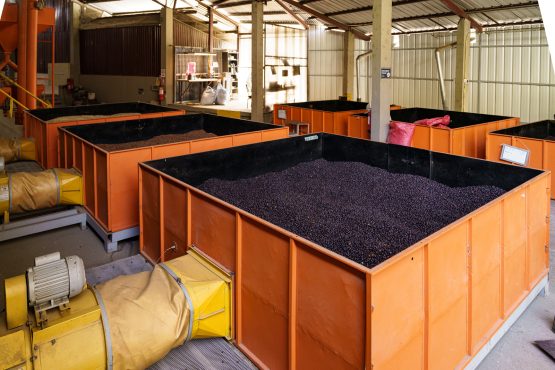
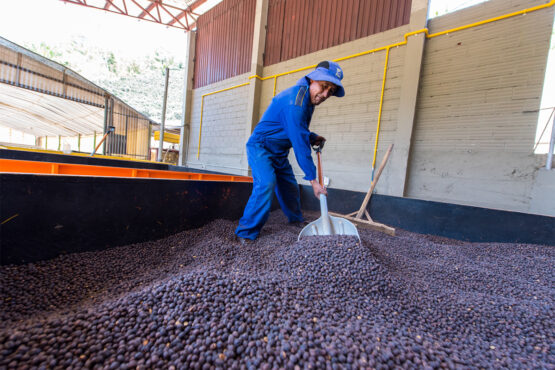
After sorting, the coffee was carefully washed and laid out to dry on patio for 48-72 hours, before being placed in one of Buena Vista’s ‘stationary box’ (or coco) dryers, until it reached 11.5% humidity.
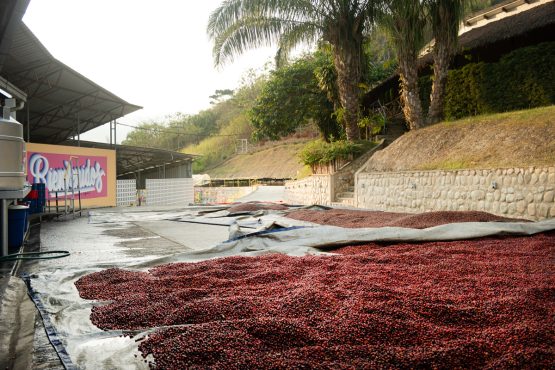
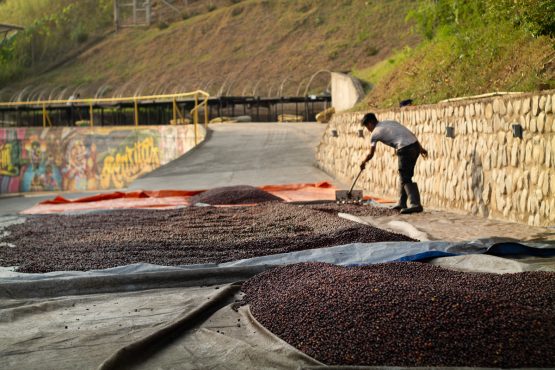
These boxes are series of stationary steel containers that use a gentle flow of warm air from below the coffee bed to dry the parchment slowly and evenly. As the cherries dry, they turn a dark reddish-brown, similar to cocoa pods or powder, giving the dryers their moniker. The coffee was stirred manually at regular intervals to further ensure it dried at a uniform rate.
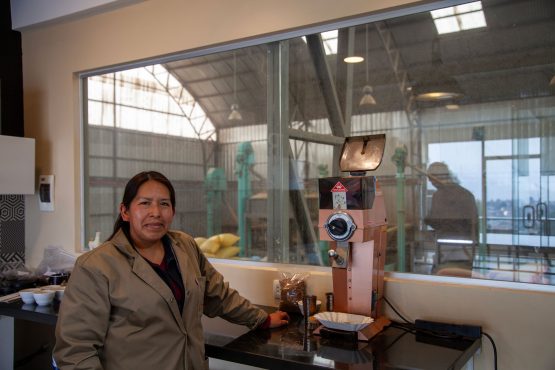
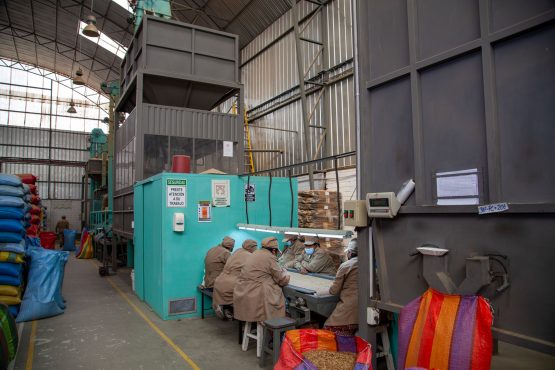
After three weeks, once the coffee was dry, it was transported to La Paz where it was rested before being milled at Agricafe’s dry mill, La Luna. At this state-of-the-art mill the coffee was first hulled and sorted using machinery, and then by a team of workers who meticulously sorted the coffee by hand under UV and natural light. The mill is one of the cleanest and most impressive we have seen – you can read more about it here.