El Paridero
Lemonade, apricot and brown sugar. Lively acidity and silky mouthfeel.
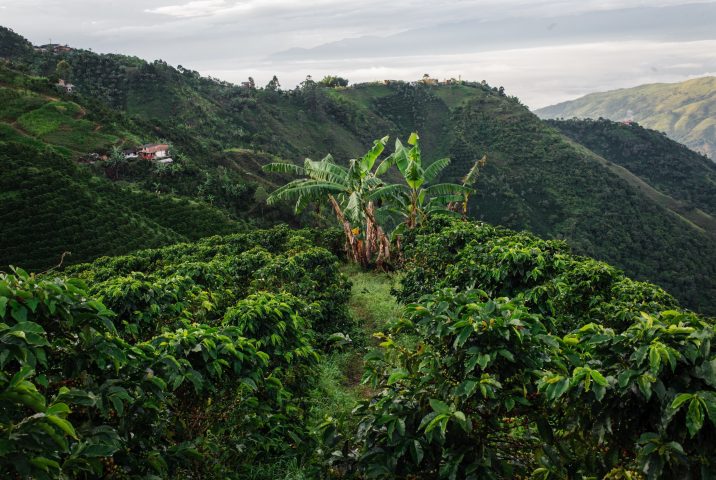
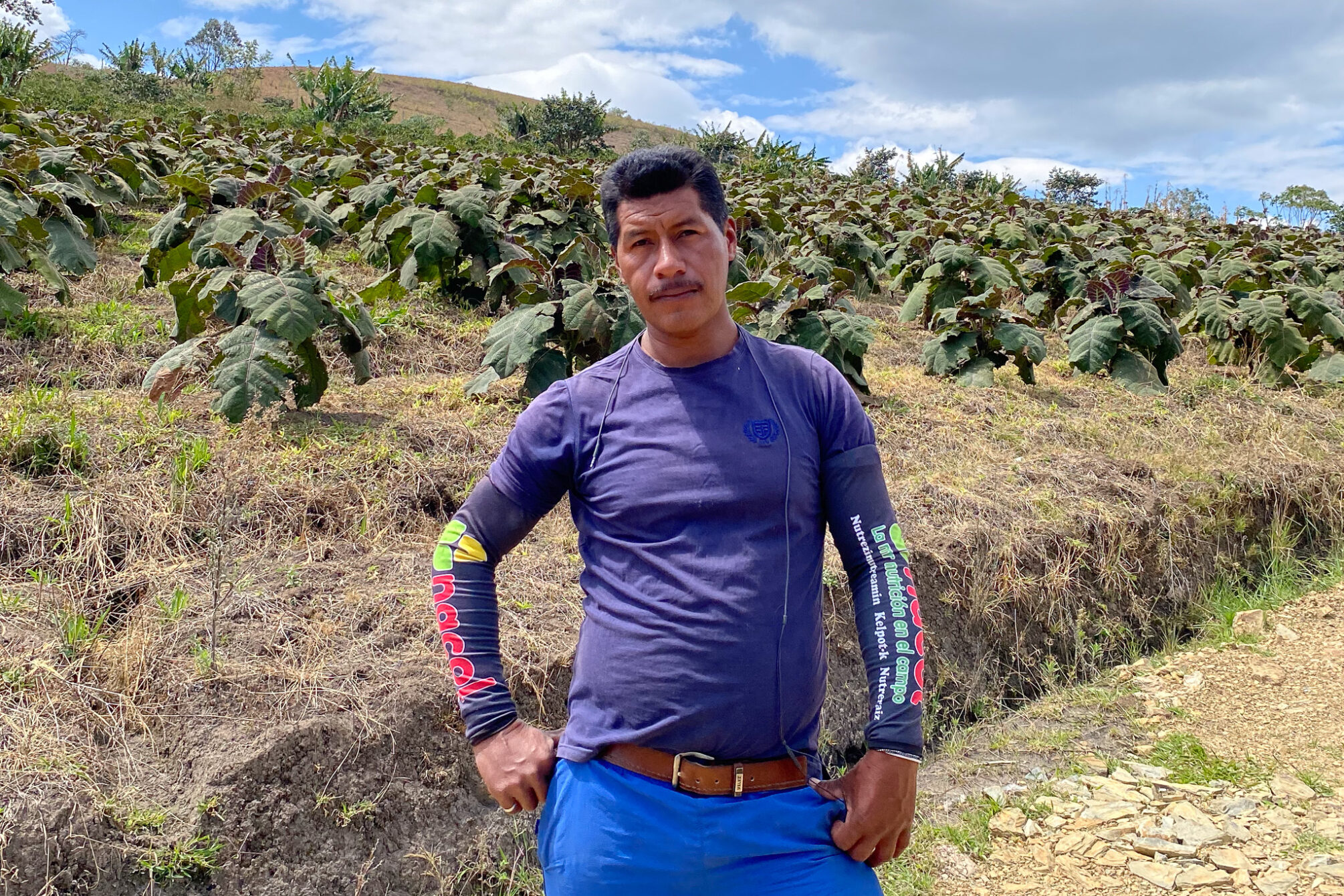
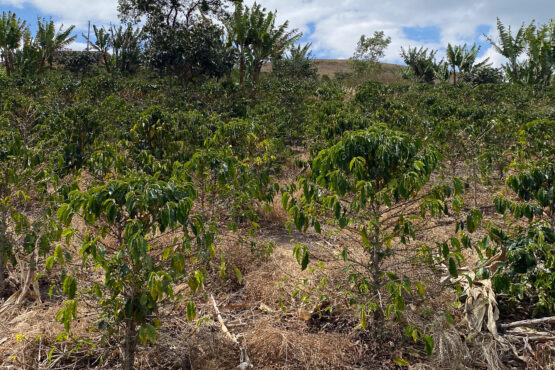
This coffee was produced by Álvaro Paz on his farm El Paridero. Located in the municipality of Buesaco, in Colombia’s state of Nariño, the farm showcases Álvaro’s promising future in the world of specialty coffee.
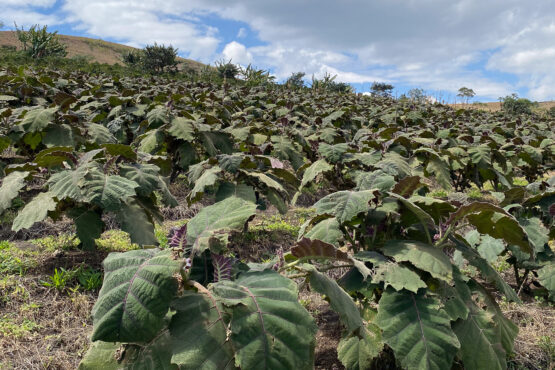
Álvaro first came to coffee through his experience as an agronomist. Having spent six years in agriculture, Álvaro purchased El Paridero with the goal of implementing practices that maximised his land’s production. As a result, El Paridero is mostly planted with the Colombia variety, a hybrid first introduced by Colombia’s Coffee Federation (FNC) in the 1980s as part of the country’s efforts to reduce the incidence of disease and pests without affecting cup quality. Additionally, Álvaro grows a local type of passionfruit known as lulo and cucumber alongside his coffee.
Understanding coffee’s quality can be elevated through its processing, Álvaro has paid great focus on his post-processing practices. During the harvest, the cherries he picks pre-ferment for up to five days before being pulped. Because Nariño’s elevation is so high, and overnight temperatures so low, Álvaro is able to do this with minimal risk and major reward, as it enhances the cup’s mouthfeel and fruit-forward profile.
ABOUT BUESACO
For a long period in the 1990s and early 2000s, Buesaco was incredibly hard hit by violence, as much of the region was under the control of the FARC guerrillas. The elevation in much of the municipality was ideal for growing opium poppy plants and coca and, as the government did not have a heavy presence in rural Nariño, it was a perfect centre of operations for illegal groups. It wasn’t until the 2010s that guerrillas were forced out of Buesaco, and the town began its transformation into one of Colombia’s best-regarded coffee-growing regions. Since then, many coffees grown here have performed exceptionally well in Colombia’s Cup of Excellence competition. The consistency of these results made it clear to many growers from the region that their coffee had the potential to be sold into the specialty market, and that they had the opportunity to seek greater premiums than they were receiving through other certification schemes. Today, specialty coffee plays a very important role in making Buesaco prosperous, and in ensuring its future is one of peace and not of recurrent conflict.
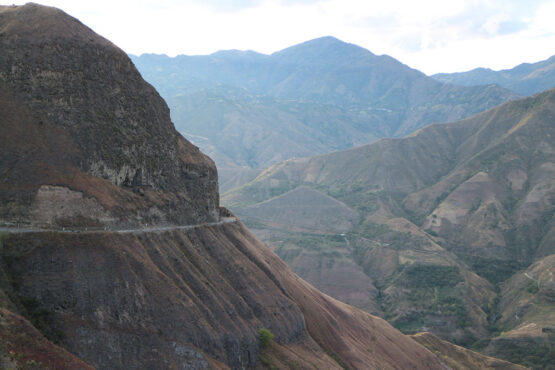

Buesaco is the traditional land of the Quillasingas, a people with a long and proud history of agriculture. The region was also home to the Pastos, and both nations have come to be regarded as sibling communities. Today, the Pastos and Quillasingas live across various indigenous reserves throughout Nariño. Though few of the Quillasinga population survived the brutal Spanish invasion of Nariño, their cultural heritage still lives on in the sustainable agricultural practices the region’s farmers employ. These learnings are first passed on at home, where each family carefully tends to a chagra, or patch of land dedicated to cultivation. Here, family elders share their knowledge on the making and implementation of organic fertilisers, seed propagation and herbal medicine — which have all contributed to the region’s reforestation efforts.
ABOUT NARIÑO
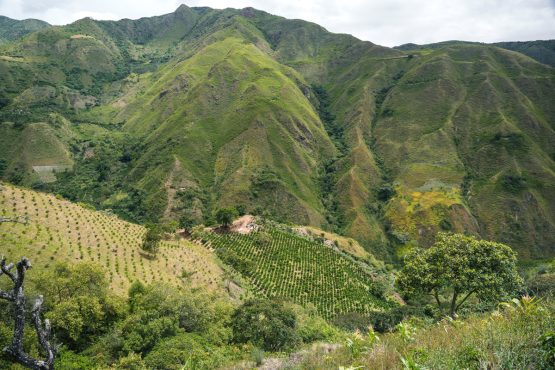
Nariño is located in Southwest Colombia, bordering Ecuador. Most of the forty thousand coffee producers in Nariño own tiny plots of land (averaging less than two hectares each) and are often located in very remote areas. Coffee in Nariño is grown at elevations that reach 2,200 metres above sea level, making it some of highest grown coffee in the world. Typically, it is very difficult to produce coffee at such high elevations (as many plants suffer from ‘die back’) – however, Nariño’s proximity to the equatorial line and steep hills around the volcanoes provide a great angle for sun exposure, creating the right micro-climate for coffee plants to thrive. The high elevation of cultivation, combined with warm tropical days and cool nights, allows for slow maturation and development of the coffee cherries, giving time for concentrated sugars to develop in the fruit and resulting in a very unique, sweet, and complex cup profile.
Nariño typically has a wet season with periods of continuous rain, followed by a dry season. Because of this, there is only one flowering period a year and, therefore, a single harvest, usually in April – July (this is different to other parts of Colombia where two harvests are the norm). In order to survive, producers in Nariño must have other economic activities, which typically include harvesting and selling plantains, fique (a fiber used to make rope) and/or cuy (guinea pigs).
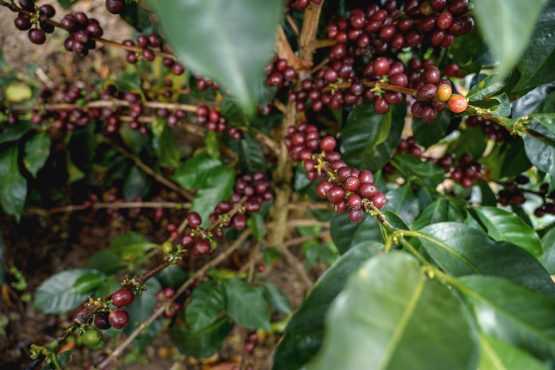
Our export partners for this coffee, Pergamino, have worked hard to commercialise specialty-grade coffee throughout Nariño, and have uncovered some stunning coffees and dedicated producers in the process. At the beginning of the harvest, the company sends one of their QC technicians (along with equipment like a sample roaster, manual mill, etc.) to spend three to four months on the ground, assisting allied producers and assessing small lots of dried parchment delivered by local farmers hoping to sell their crop. Upon delivery, a sample of the dried parchment is milled and assessed for physical attributes, including uniformity of size, presence of defects, moisture content and seed to hull ratio. If the coffee passes the physical assessment, it is accepted and the farmer receives their first payment for the coffee, calculated by the weight delivered and a base rate that includes a premium on top of the current local market rate.
The coffee is then sample milled, roasted and assessed for quality by Pergamino’s technician and sent weekly to the company’s QC lab in Medellín for further assessment by their expert team. There, each lot is carefully evaluated and, depending on the cup score and profile, sorted into different grades of quality and combined into larger volumes or kept separate as a single estate lot. Feedback on each lot is relayed back to the producer and after it has sold, a second payment is made to them according to the premium the coffee attracted.
The team at Pergamino cups through hundreds of small lots at their QC lab in Medellin, to select the coffees that are blended together into this special regional lot. The coffees included were chosen for their outstanding cup profile and distinct regional characteristics. Head here to learn more about the work of Pergamino.
HOW THIS COFFEE WAS PROCESSED
The coffee in this lot was selectively hand-harvested, with most labour being provided by Álvaro. It was processed using the washed method at the farm’s ‘micro-beneficio’ (mill).
Freshly picked cherries were pre-fermented in sacks for up to five days before being pulped using a small manual or electric pulper. The wet parchment was then placed into a fermentation tank, where it was fermented for 24 hours and then washed using cold, fresh water from surrounding streams. Coffee was then graded by density in washing channels and washed again using clean water.
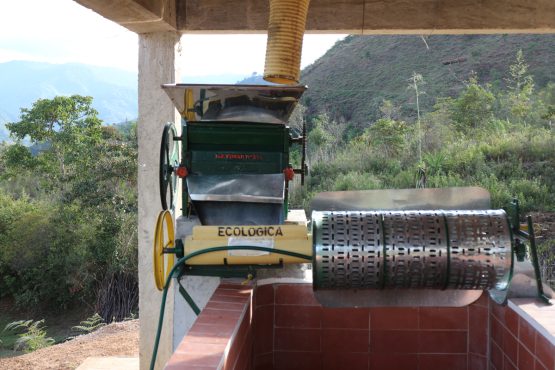
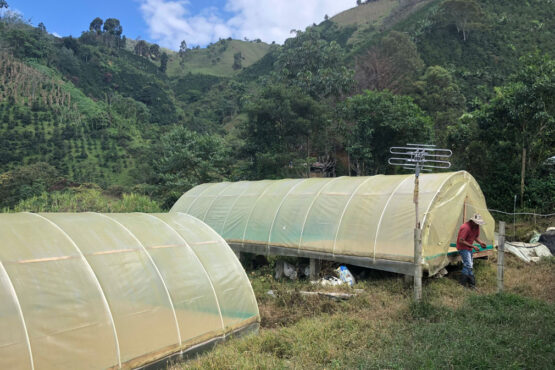
It was then carefully dried (over 10–18 days) on patios under the sun. Nariño is blessed with some of the best drying conditions in the country due to the micro-climate and high elevation of the region, providing lower relative humidity, more wind and more sunny days than other areas of the country.
Once dry, the coffee was delivered to Pergamino’s warehouse, where it was cupped and graded, and then rested in parchment until it was ready for export.