Trapiche Honey
Great clarity and structure with velvety mouthfeel. Candied orange, red grape and panela sugar.
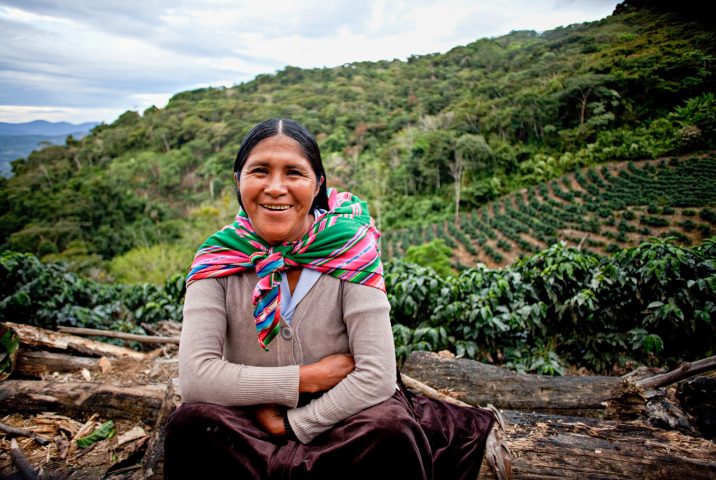
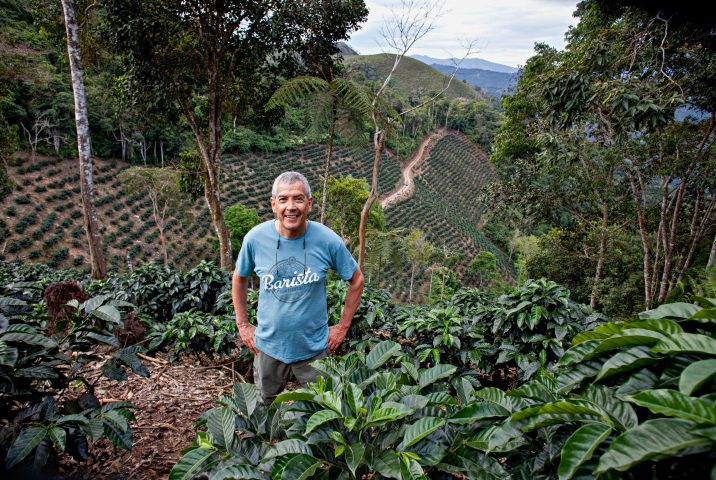
This special microlot comes from Trapiche, one of four farms owned and operated by the Rodríguez family in Bolivia’s Samaipata region. In Spanish, the farm’s name refers to a type of mill made of wooden rollers used to extract juice from fruit such as grapes or olives and was inspired by a vineyard of the same name in Argentina that Pedro Rodríguez visited in 2016.
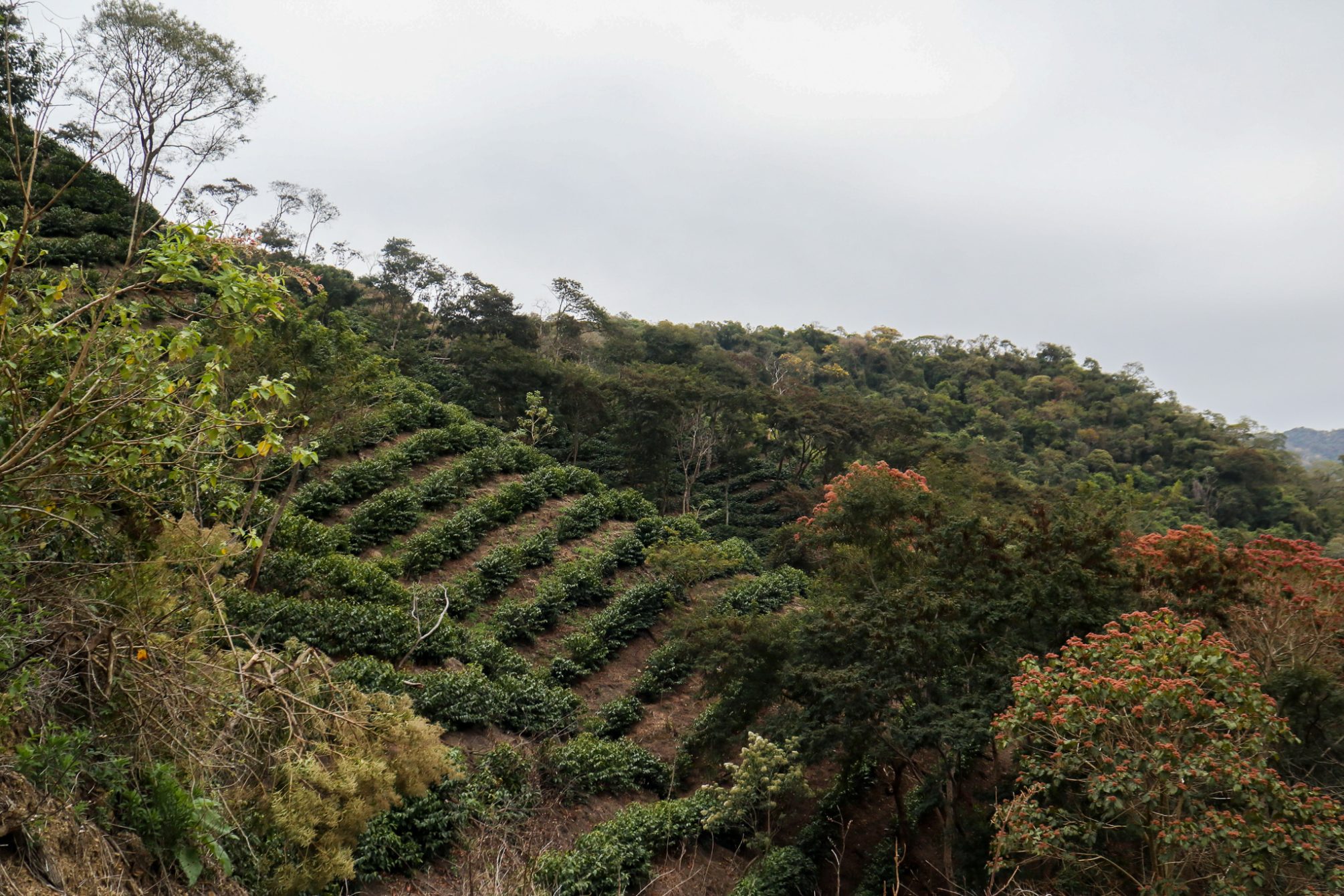
The beautiful farm is found at a staggering 1,670 meters above sea level, and has breathtaking views over the Amboró National Park, which is considered as having some of the world’s greatest biodiversity of flora and fauna. This protected park is located west of the department of Santa Cruz, in the so-called “Codo de los Andes”, where the western mountain range changes course to the south.
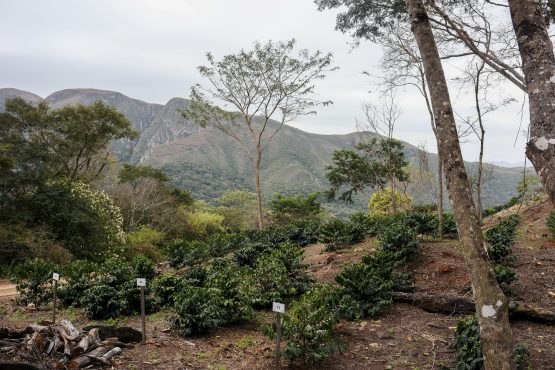
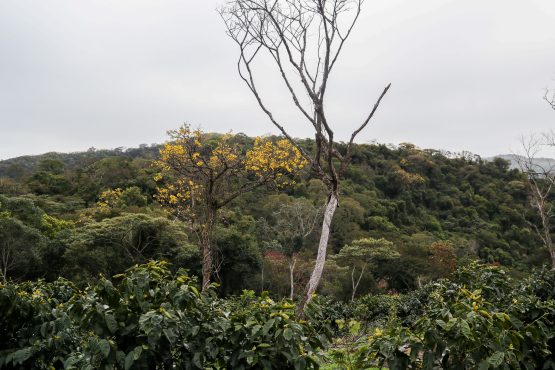
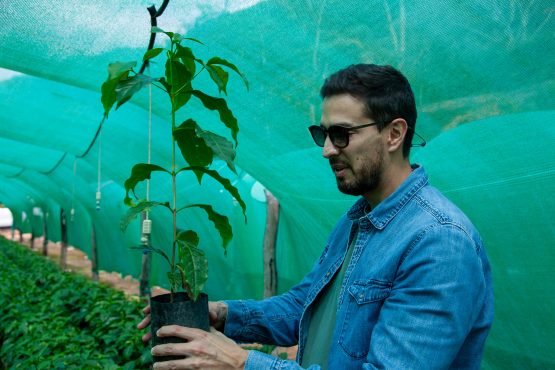
Trapiche is inspired by vineyards in more than just name, as coffee is also grown in neat, clearly labeled rows. Along with Caturra, the Rodríguez family also grow Bourbon, SL34, and Gesha at Trapiche. Seedlings for these come from Agricafe’s nursery in their nearby farm Floripondio.
On our most recent visit to the farm, Pedro Pablo Rodríguez told us their nursery was the most important part of their investment in the region. The young coffee trees spend nine months in bags, and then planted on the variety garden so that roots can deepen and strengthen. Planting is usually done in November, once the harvest has wrapped up, and by each tree’s second year, Agricafe expect a small production available.
The family’s learnings have also been shared with local producers through a training program they has developed called ‘Sol de la Mañana.’ Head here to learn more about this wonderful program, and here to learn more about the incredible work the Rodríguez family and Agricafe are doing in Bolivia.
ABOUT SAMAIPATA
Samaipata is a relatively new coffee growing region located in the department of Santa Cruz, at the foot of the Bolivian Andes. The Rodríguez family first established exporting company Agricafe Bolivia along with eight farms and a wet mill in the traditional coffee growing region of Caranavi. In 2012, they expanded to Samaipata, which is historically known for producing food crops like fruit and vegetables.
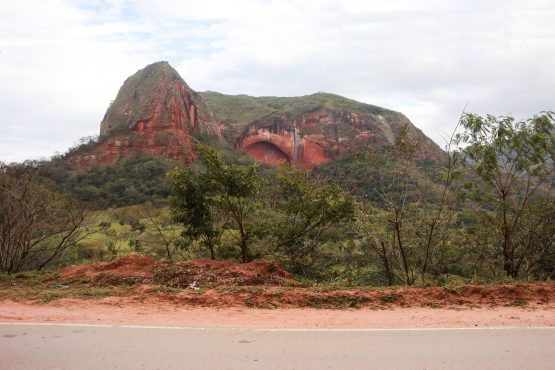
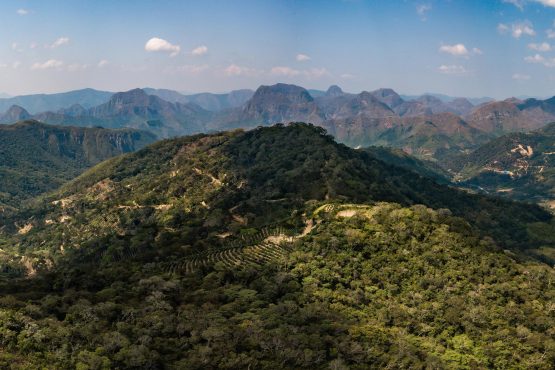
This was risky move – coffee had never been planted here before – but Pedro recognised the region had the right conditions to produce exceptional quality coffee, with high elevations, nutrient-rich soil and a similar climate to Caranavi’s (with the main difference being that Samaipata is drier and less tropical). After their success in growing exceptional coffee at their first farm in the region, El Fuerte, the Rodríguez family have continued investing more heavily in Samaipata, planting three more farms and building a wet mill to process the coffees grown here.
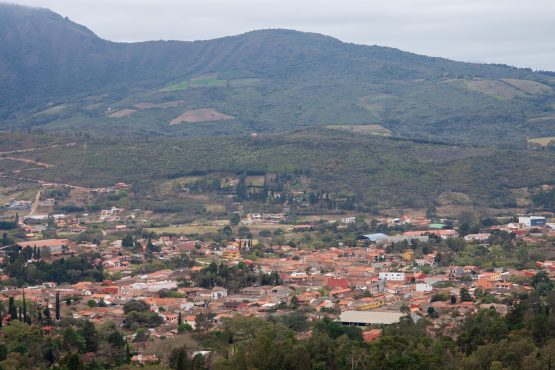
Culturally, Samaipata is largely Quechua. At one point, the city was the southernmost point of the Incan empire, with some 15% of the population still mainly speaking a Quechua dialect. The town’s name translates to ‘Rest of the Heights,’ and it is a small, picturesque town. A scenic road that runs along a beautiful river leads to the town centre, attracting Bolivians and tourists alike. The valley that surrounds it ranges between 1,600-1,800 meters above sea level, and has a fairly extreme climate. During the day the temperature is 25-30°C, dropping to as low as to 8-10°C during the night. This slows down the ripening of the coffee cherries, allowing the sugars of the fruit to concentrate in the flesh and bean, which in turn helps produce an incredibly sweet and complex coffee.
HOW THIS COFFEE WAS PROCESSED
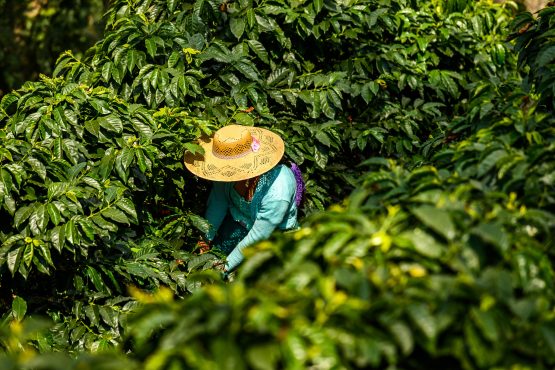
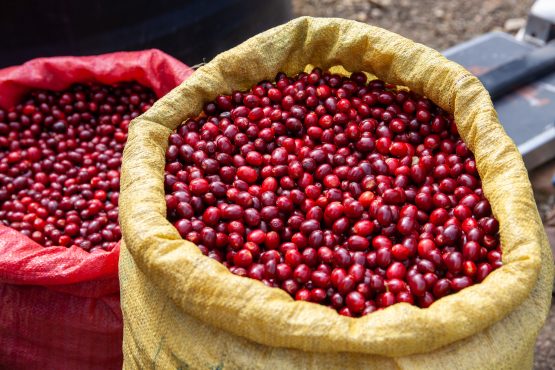
At all of the Rodríguez farms, Pedro hires pickers that are trained to select only the very ripest cherries, and multiple passes are made through the farm throughout the harvest to ensure the coffee is picked at its prime. The Rodríguez family has found that the very ripest (almost purple) cherries provide the best cup.
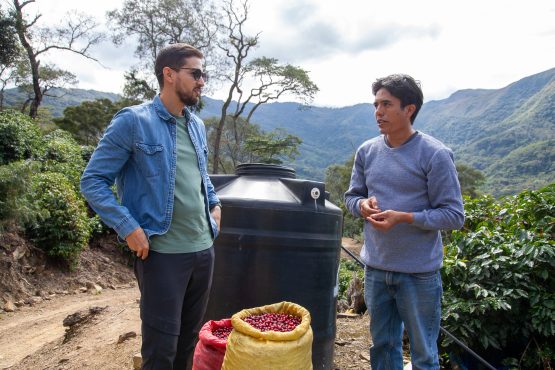
Pedro draws a lot of inspiration from the wine industry in his approach to coffee production, and is always innovating and trialling different processing techniques. This lot was processed with experimental techniques, part of the Rodriguez’ family’s long term strategy to achieve the greatest distinction and diversity in their special lots. As Pedro’s daughter, Daniela shares: “We’re keeping a registry of all the data we’re compiling, to use in the coming seasons. It includes information on the types of tanks used, bacteria and yeast activity, ambient temperature and weather conditions… we’re working hard to identify the ideal processing conditions for each variety and farm.”
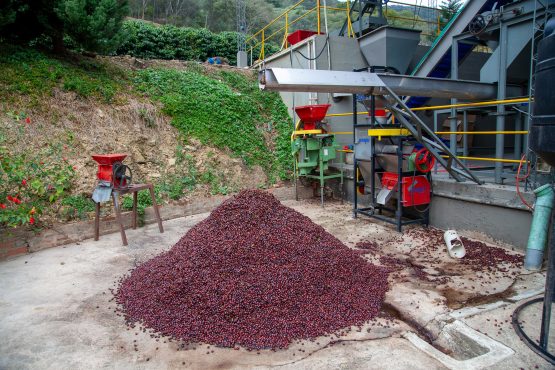
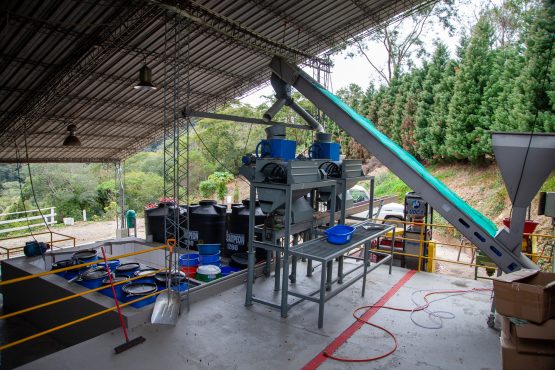
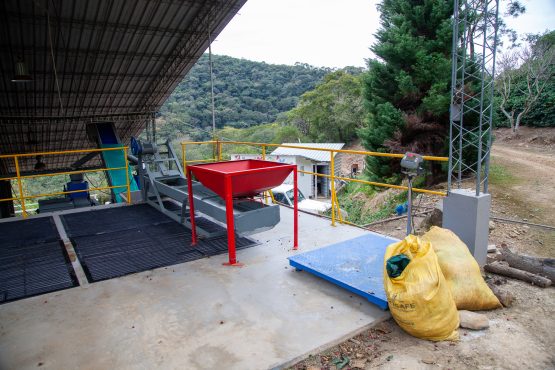
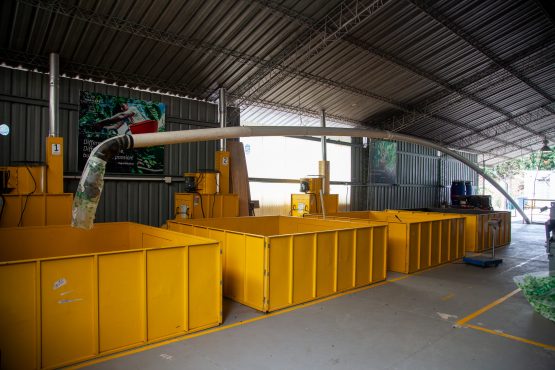
After being inspected and weighed, cherries were carefully sorted by weight using water, and floaters were removed. Following this, the coffee was disinfected, in a similar process used for wine grapes, and pulped, leaving beans with a layer of mucilage that resembles a glazing of sticky honey (hence the name ‘honey’ processing). This parchment was then dried in one of El Fuerte’s ‘stationary box’ (or coco) dryers for three weeks. These boxes are series of steel containers that are typically used for drying peanuts. They use a gentle flow of warm air from below the coffee bed to dry the parchment slowly and evenly. Coffee was stirred manually at regular intervals to further ensure it dried at a uniform rate. The mostly dried parchment was finished off using a ‘guardiola,’ a horizontal, rotating drum that gets rid of moisture by creating a warm, consistent flow of air around the coffee, until it reached 11.5% humidity.

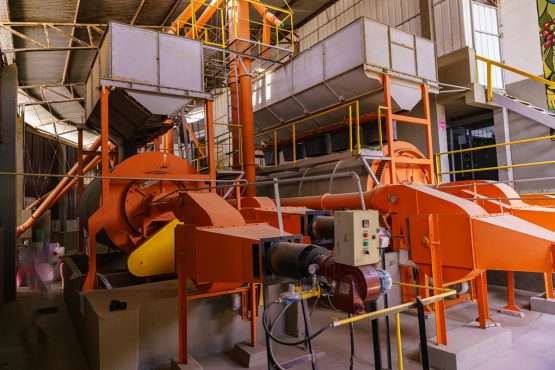
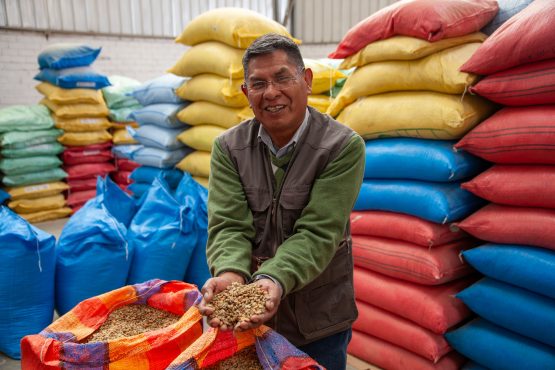
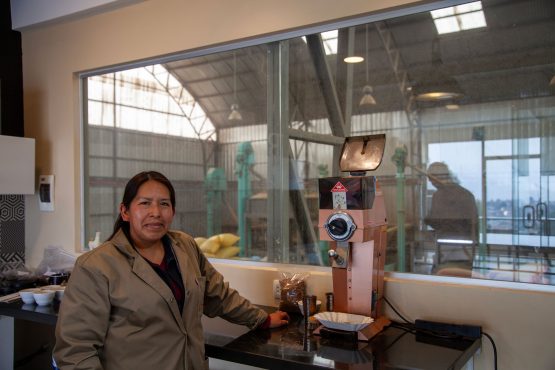
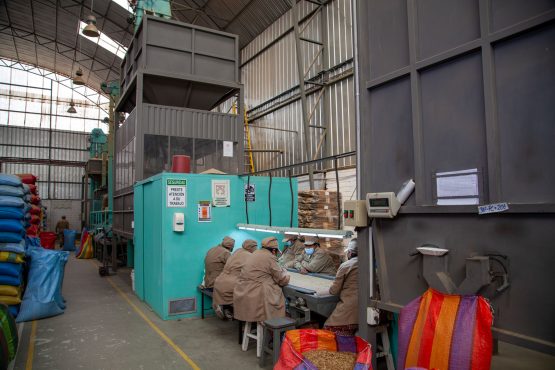
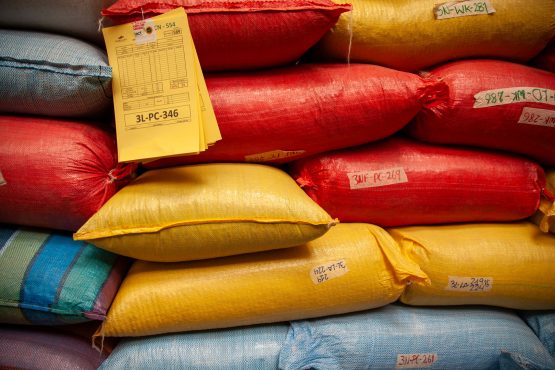
Once the coffee was dry, it was transported to La Paz where it was rested before being milled at Agricafe’s dry mill, La Luna. At this state-of-the-art mill, the coffee was first hulled and sorted using machinery, and then by a team of workers who meticulously sorted the coffee again (this time by hand) under UV and natural light. The mill is one of the cleanest and most impressive we have seen – you can read more about it here.