Waliki Java Washed
Floral and lifted, with delicate white blossoms, bergamot and honey aroma. Golden sultana, apricot and lemon curd in the cup.
This tiny 240kg Java micro-lot is from a small and relatively new farm called Waliki. The name is Ayamara greeting meaning “how’s everything” to which the answer is ‘all good’ or ‘Hakuna Matata’.
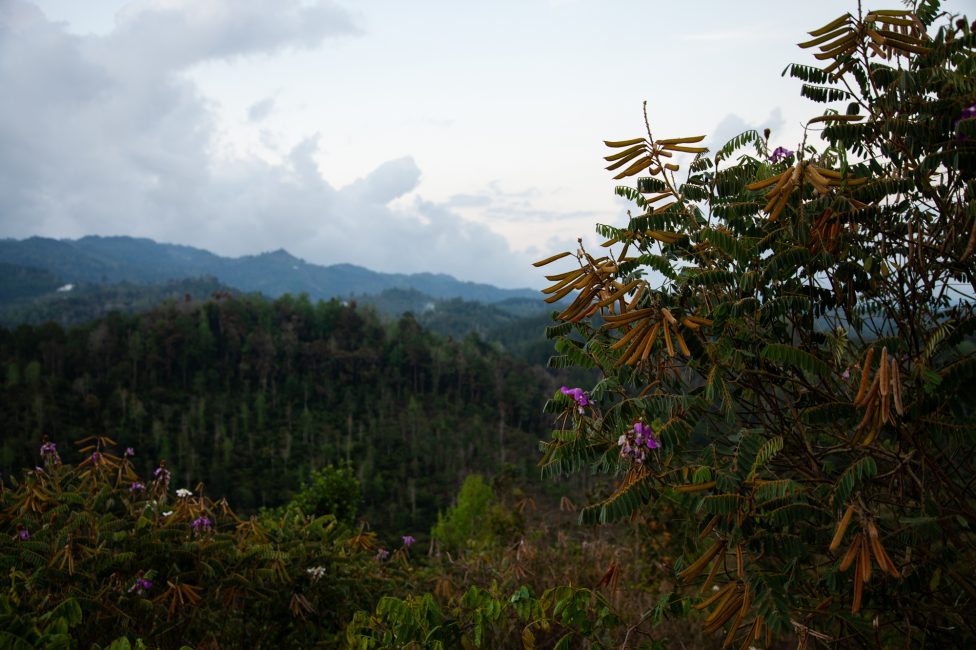
Waliki is located in the colony of Bolinda, which lies in a lush, steep mountain valley around 10 kilometres outside of the town of Caranavi, in the department of La Paz in Bolivia. The colony of Bolinda was founded 52 years ago and was once known as ‘Bolivia Linda’ or ‘Beautiful Bolivia’. Over the years this name was shortened to Bolinda, and it is now one of the larger settlements in the area.
Waliki is owned by the Rodriguez family. The Rodriguez family has a family business called Agricafe, that produces coffee from its own farms, and sources quality micro-lots from small producers in the Yungas region.
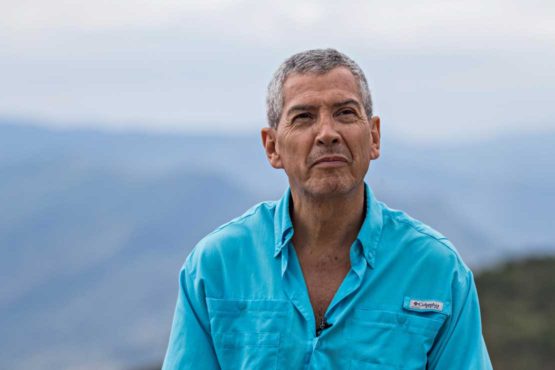
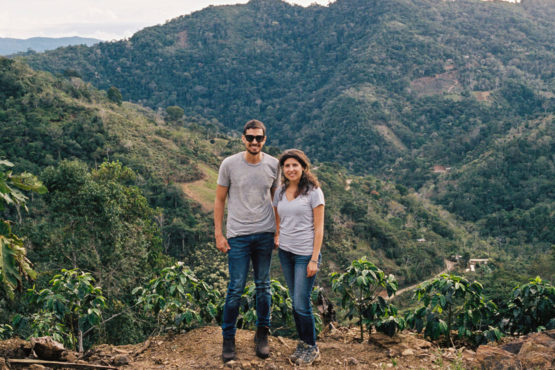
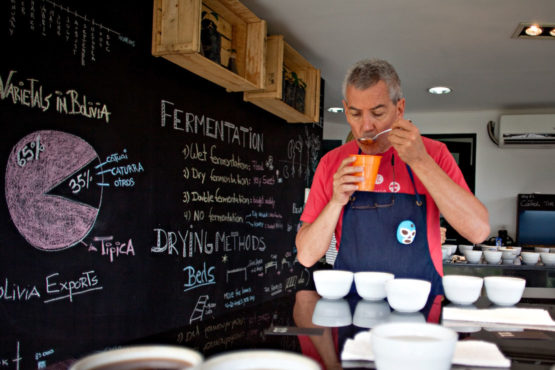
Coffee production in Bolivia is, and always has been, very small. Pedro began his journey in coffee by working with small producers in Caranavi, building a wet mill to process their coffee, and educating producers to selectively handpick their cherries. He also started to process small micro-lots from each of the producers, and because of the unique combination of heirloom varieties, rich soil and incredibly high altitudes, the results were outstanding.
However, despite increased international recognition for its quality, coffee production in Bolivia began to rapidly decline over a very short period of time for many reasons. Some farmers switched to coca – grown for the drug trade and illegal to produce in Caranavi – because it provided them with a high year-round income. For those still in coffee, their yields were also declining as a result of ageing coffee plantations, unsophisticated farming techniques, and leaf rust. The combination of these factors resulted in the nation’s coffee production decline by more than half.
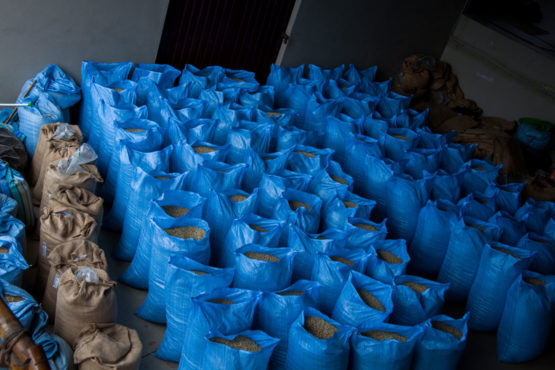
In 2012, as leaf rust started to obliterate the production in many small farms, Pedro and his family began to invest in their own plantations, fearing that coffee production in Bolivia would disappear completely. This, they recognised was critical to guarantee a minimum level of supply and thus ensure the future sustainability of their business. They acquired land in Caranavi near their Buena Vista mill and created their first farm, Finca La Linda. “This is where the dream started,” Pedro says. Waliki was planted four years later and is located right next to La Linda.
Today Agricafe has 12 farms and around 130 hectares of coffee under the banner of ‘Fincas Los Rodriguez’. Seven of these are in Caranavi, in the department of La Paz, and the remaining five are in Samaipata, in the department of Santa Cruz in Bolivia’s east.
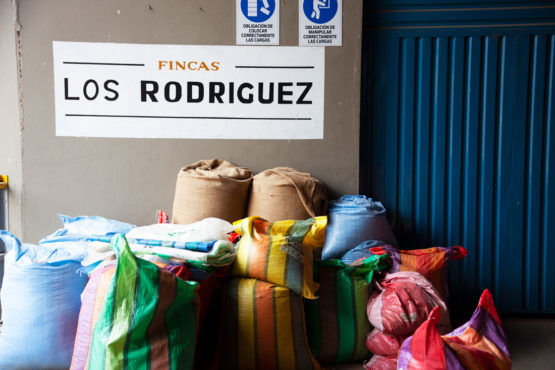
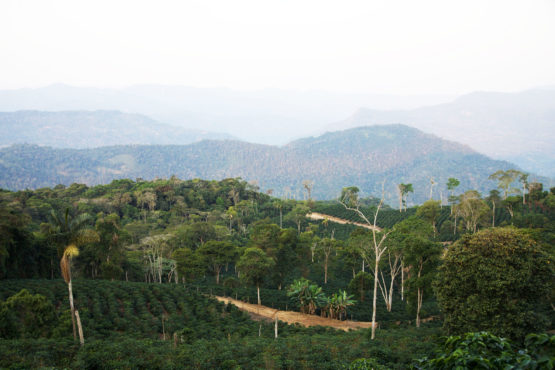
The Rodriguez family’s approach to coffee production has been extremely methodical, innovative and scientific. Along the way, they consulted leading specialty coffee agronomists from around the world to help them produce exceptional coffee and build sustainable and healthy farms. A wide range of varieties have been trialled, along with different farming techniques, to optimise quality and output. They have carefully documented their findings at every step of the way and continue to innovate and invest in improvements to produce the very best quality coffee they can.
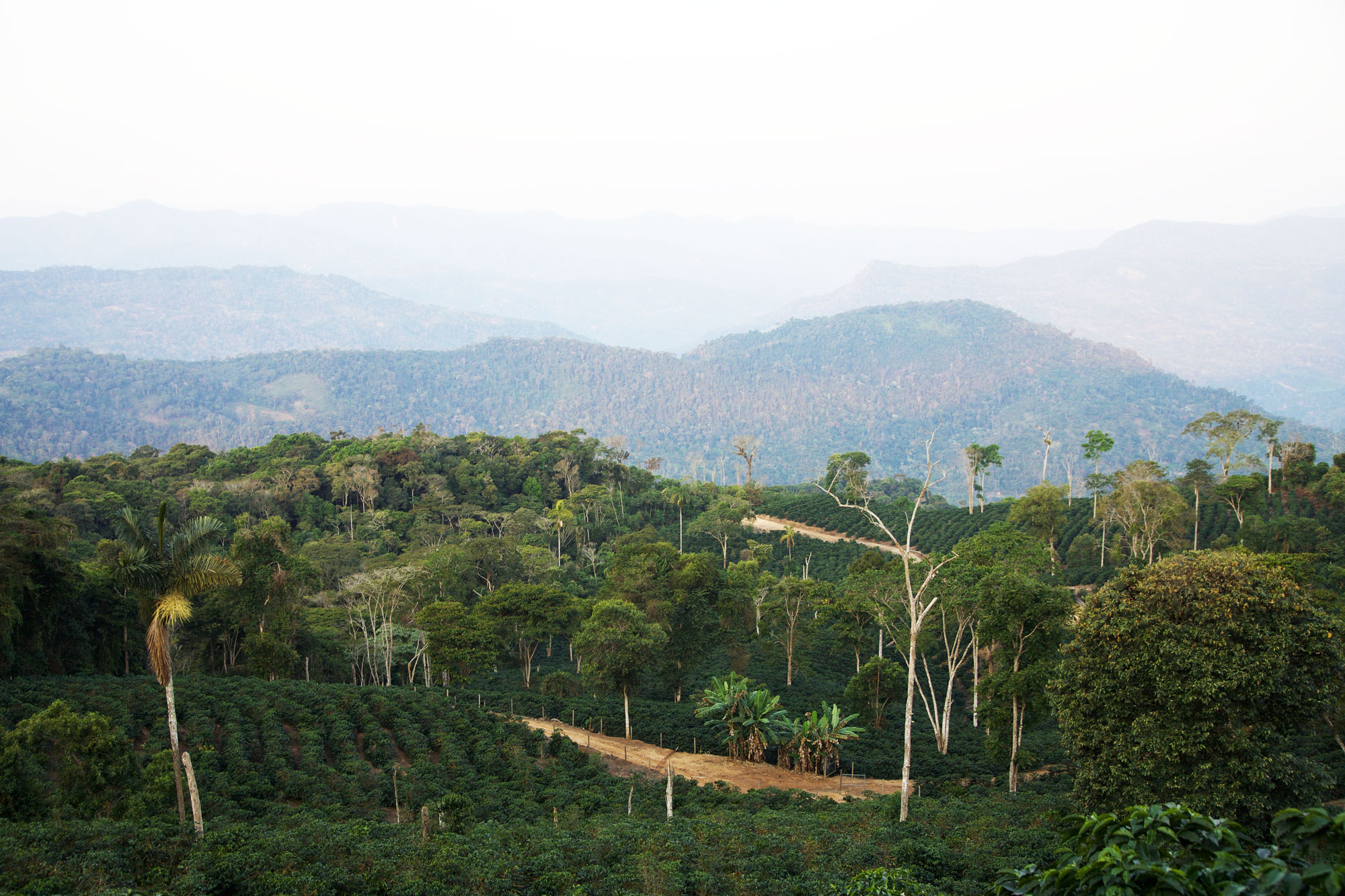
The Rodriguez farms are some of the most organised and beautiful we have come across. Coffee is well spaced in neat rows and meticulously organised by variety, making picking and lot separation much easier to manage than on more traditional farms in the region. The farms are vibrant, luscious and healthy, and produce exceptional quality and yields.
ABOUT WALIKI
Waliki is the Rodriguez family’s newest farms and was planted in 2016. They decided to call it Waliki as this phrase was always one of the first things they were greeted with when talking to local producers and pickers and demonstrated the local community spirit and camaraderie.
Waliki is 7.9 hectares in size. The farm sits at about 1,620 metres above sea level. This high altitude helps to ensure a slow maturation of the cherry because of the stable night-time temperature and mild day temperatures. The slow maturation leads to an increased concentration of sugars in the cherry and bean, which in turn helps to produce a sweeter cup of coffee.
Pedro and his family have invested a lot of time and effort into trying to make each of their plantations a ‘model’ farm that other producers in the area can learn from. Their learnings have also been shared with local producers through a training program that the family has developed called Sol de la Mañana.
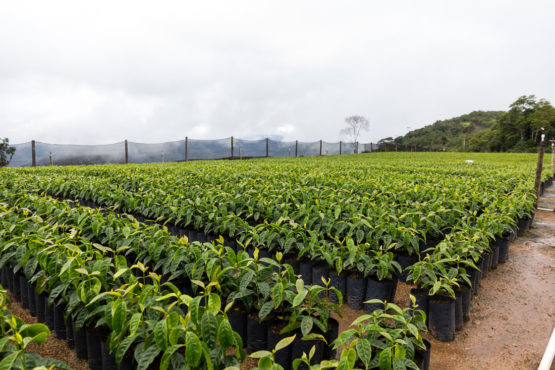
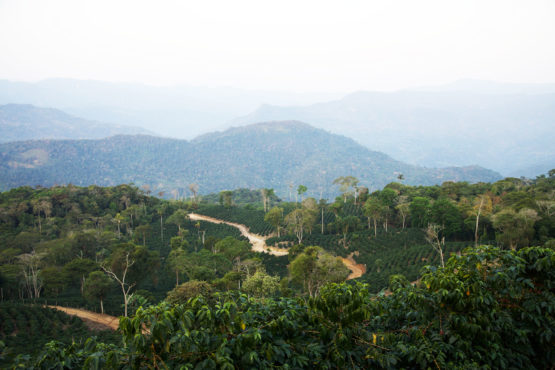
Pedro has trialled several varieties on this farm including Orange Bourbon, Geisha and Java. This particular lot is 100% Java.
HOW THIS COFFEE WAS PROCESSED
At Waliki, pickers from Bolinda community are hired to carefully handpick the coffee during the harvest. These pickers are trained to select only the very ripest cherries, and multiple passes are made through the farm throughout the harvest to ensure the coffee is picked at its prime.
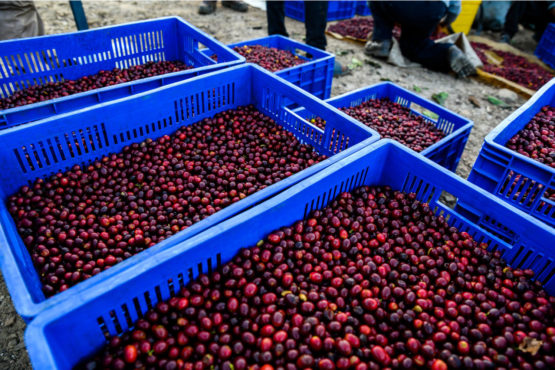
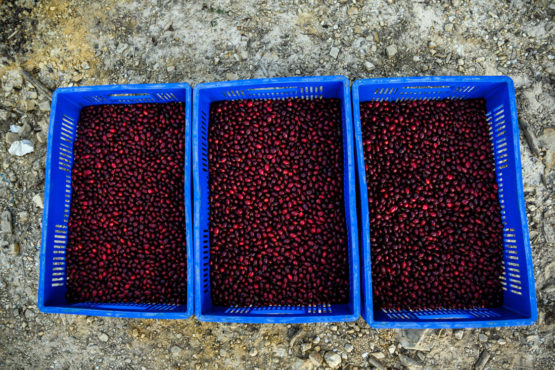
This coffee was carefully picked and processed on the same day at the Rodriguez family’s Buena Vista mill. After being weighed it was carefully sorted by weight using water, and any floaters were removed. It was then pulped and ‘dry fermented’ without water for around 46 hours.
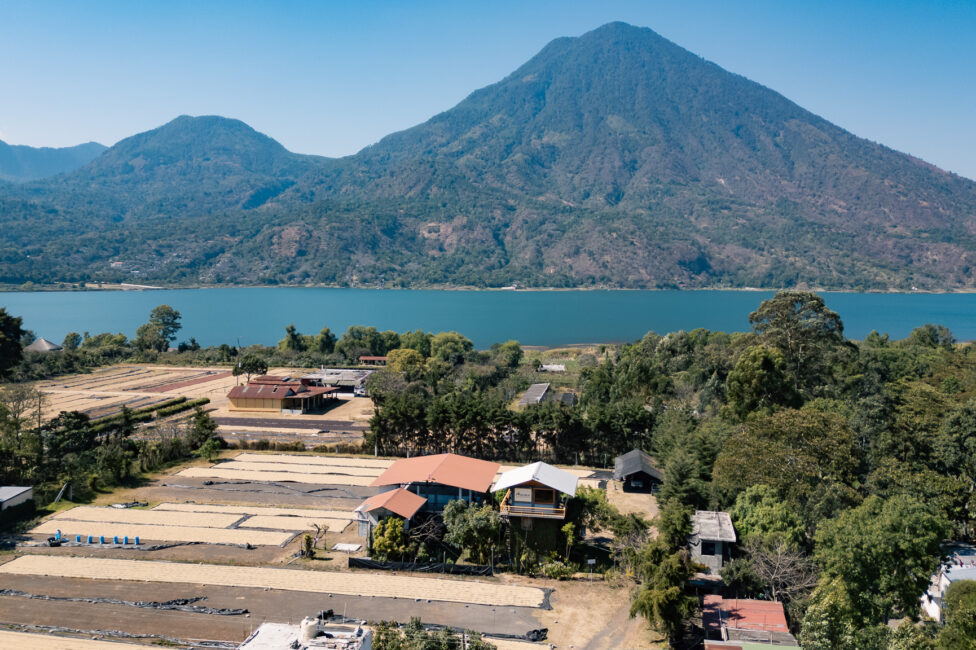
The coffee was then laid out to dry on raised beds and regularly turned for up to 48hrs, before being finished in a mechanical dryer for around 35hrs, with temperatures no higher than 40˚C. When the coffee reached 16% humidity it was rested for five hours in a silo, and then carefully dried until it reached 11.5% humidity.
Once the coffee was dry, it was transported to La Paz where it was rested before being milled at Agricafe’s dry mill, La Luna. At this state-of-the-art mill, the coffee is meticulously hulled and sorted using machinery and also a team of sorters who carefully sort the coffee by hand under UV and natural light. The mill is one of the cleanest and most impressive we have seen – you can read more about it here.
WANT TO KNOW MORE?
You can watch an interview with Pedro Rodriguez, the owner of Agricafe, here and about Agricafe’s small producer training program, Sol de la Mañana, here, and about Bolivian coffee more generally here.