Waturi Estate AA
Bright green apple with yellow peach and toffee. Transparent and juicy with a velvety texture.
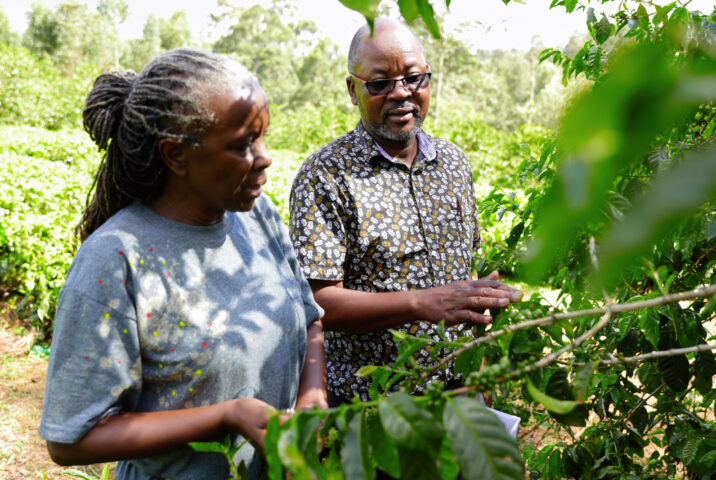
Waturi is an eight-hectare estate located in Murang’a County, operated by Allena Coffee. The coffee company was founded by David Murathe, who owns Waturi, and the estate is managed by Francis Murangu.
Waturi Estate was initially established by David’s father, William Murathe, who planted it with coffee in 1969. Back then, every grower had to be registered and regulated by the Coffee Board of Kenya and William was an early member of the historic Kenya Planters Cooperative Union. A savvy entrepreneur, William also ran one of Kenya’s most successful wine and spirit importers in tandem with coffee-growing.
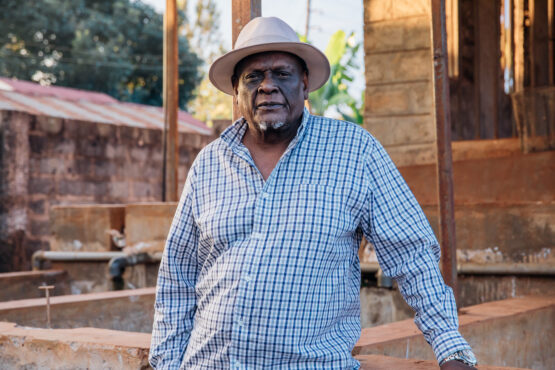
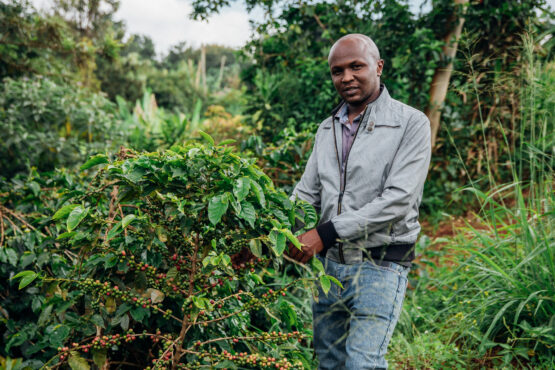
After William’s passing, David and his brother inherited the estate, splitting the property amongst themselves. David named his share Waturi, after their mother, with Allena Coffee being named after his daughter. By this point in his life, David had already built successful careers first in business, at one of Africa’s largest computer companies, and later in politics, as a member of Kenya’s parliament. During this time, he was part of the Departmental Committee of Agriculture, where he gained deeper insights into the country’s coffee supply chain. By traveling to places like Colombia, Costa Rica, the United States and Europe, David also saw the value international markets placed on Kenya’s coffee firsthand. As David himself put it on a recent call, “We have walked the coffee’s journey.”
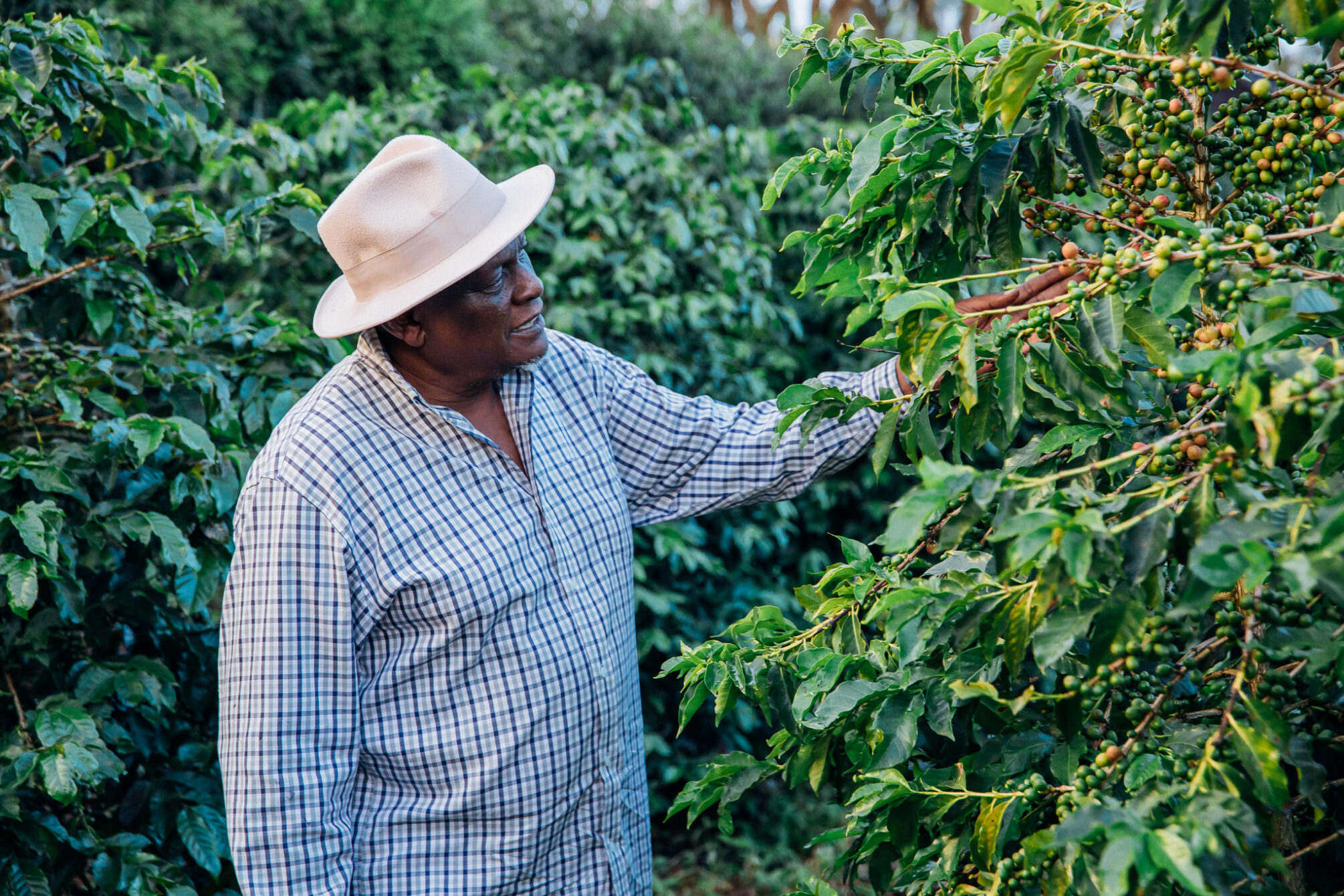
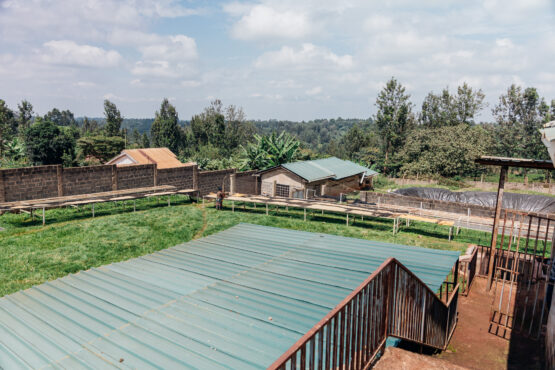
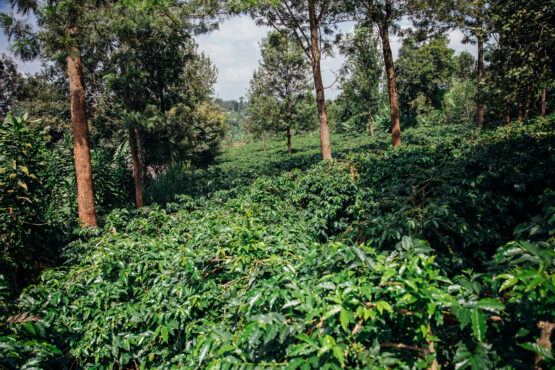
Now that he’s retired (or, semi-retired, as he continues to run a consultancy firm drawing from his vast experience in multiple fields), improving the standards and quality of Waturi’s coffee has become a greater focus for David. Farm manager Francis Murangu tends to SL28, Ruiru 11 and a few Batian trees, processing at an onsite factory (as wet mills are called in Kenya) established in 2016. This facility enables his team to process and dry his crop onsite, rather than selling fresh, whole cherry to the local cooperative.
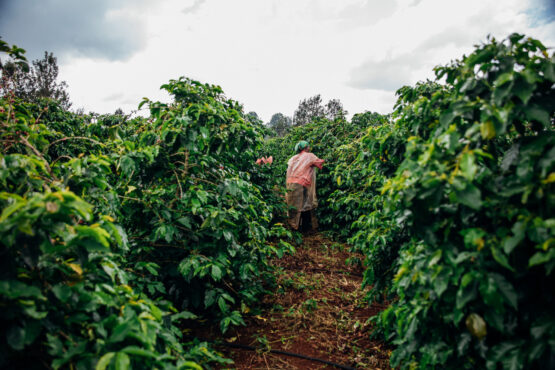
By processing Waturi’s coffee independently, David and Francis are able to control every step of the coffee’s production directly – from farming, to harvesting, processing, drying and sale – ensuring the full potential of the crop is achieved in terms of quality and sale price. The resulting coffee lots reflect the incredible amount of hard work and attention to managing every single variable that influences quality, even if it requires a greater investment in infrastructure, equipment and staff.
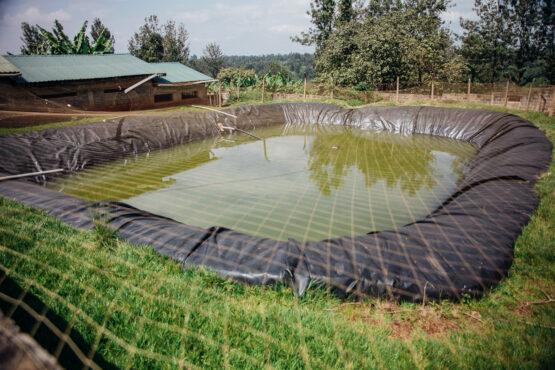
While David explained water can be a challenge at Waturi, a drip irrigation system has been installed to be used during years of drought. Further investment has been made in the application of farm inputs to strengthen the health of the coffee plantation, including the use of manure as an organic fertiliser. Ultimately, in David’s mind, the quality of his farm’s coffee is largely due to the region’s volcanic soils, which he believes are unlike anywhere else in the world.
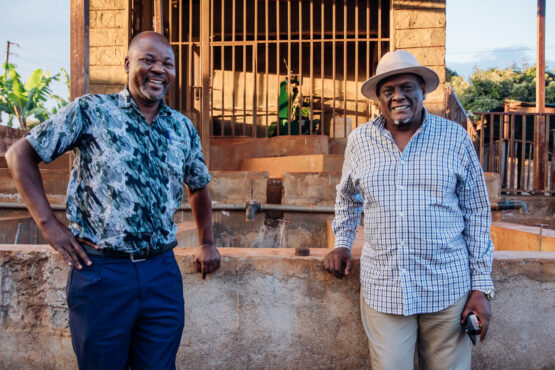
Following the Kenyan government’s coffee trade reforms of 2023, we source coffee from producers like David directly, with the help of Wycliffe Murwayi as the Direct Sales Agent. The benefits of the direct model are higher profits, as the buyer (in this case, MCM) must offer competitive pricing to secure the coffee, and a faster turnaround time between the sale and the grower receiving their payments. Direct sales also support a more meaningful and values-led relationship between the growers and their buyers and have become more widespread as the coffee sector adapts to the reforms.
ABOUT MURANG’A
Murang’a County is found in Kenya’s fertile central highlands, an area well-known in specialty coffee as it includes Murang’a, Nyeri, Kirinyaga and Kiambu Counties. Murang’a is considered the birthplace of the Kikiyu people, who have a long and proud history of agriculture. The region has great historical significance, as it is where the Mau Mau uprising that led to Kenya’s independence began. Nestled in the Aberdare Mountain Range, Murang’a has incredibly rich fertile soils and many waterways.
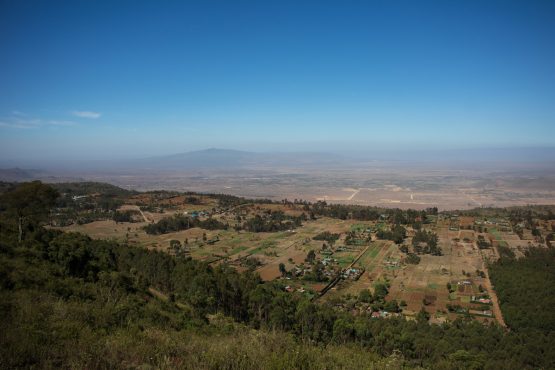
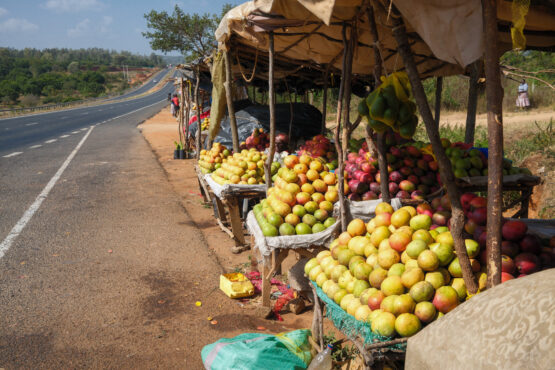
Like David, many of the producers in the region are second-generation landholders, whose parents purchased and planted the land in the 1950s and 1960s, after agricultural reforms allowed Kenyan farmers to produce cash crops on their family properties (instead of only on large, British owned estates). Farmers in Murang’a grow coffee as a cash crop alongside food crops like banana, maize, macadamia, avocados and other vegetables. Tea and dairy are also important sources of income for the producers.
GRADING
Kenya uses a grading system for all its exportable coffee lots. The grading system is based on the size and assumed quality of the bean. A coffee’s grade is directly correlated with the price it attracts at auction or through direct trade.
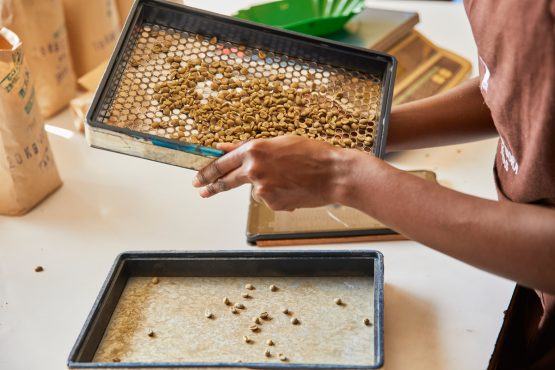
This coffee is AA grade. This grade is easily defined by size (in this case, AA means that the beans are screen size 18 and above) and to a certain extent, quality. While it is assumed that AA lots represent the highest quality, we have often found AB and peaberry lots to be just as good.
HOW THIS COFFEE WAS PROCESSED
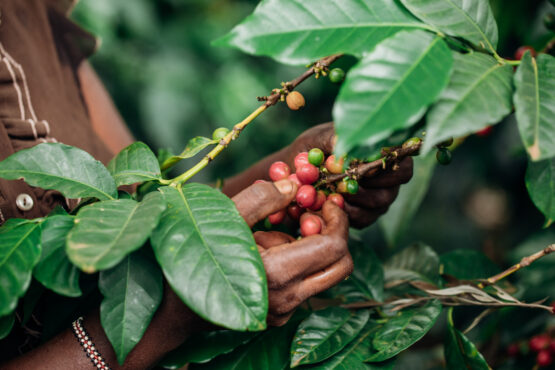
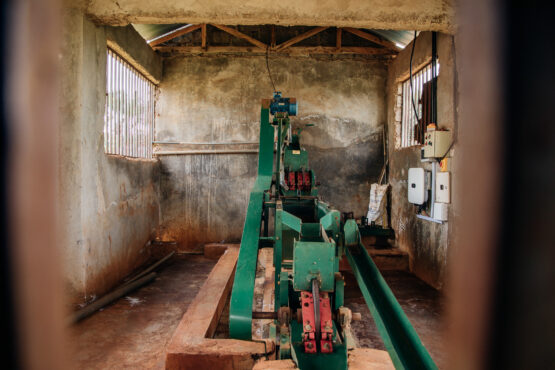
Coffee cherries were carefully handpicked by a team of seasonal workers that are led by estate manager Francis. After careful hand sorting, the coffee was pulped in the late afternoon of the day it was picked. Using a small pulping machine, Francis’s team removed the skin and mucilage (sticky fruit covering) from the inner parchment layer that protects the green coffee bean.
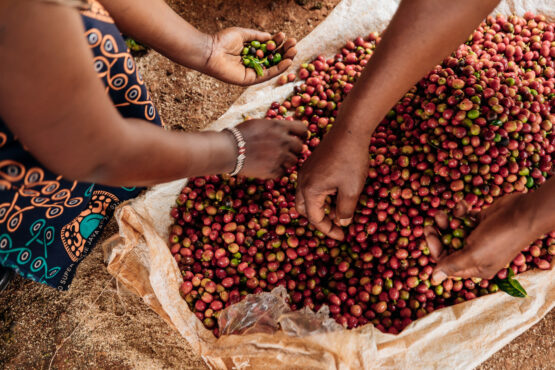
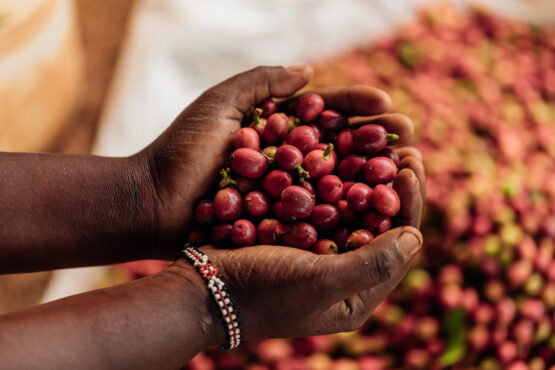
The parchment was then dry fermented overnight, or up to 24 hours depending on the weather, to break down the sugars and remove the remaining mucilage from the outside of the beans. The coffee was checked from the following afternoon onwards, and when it was ready, it was rinsed and removed from the tanks.
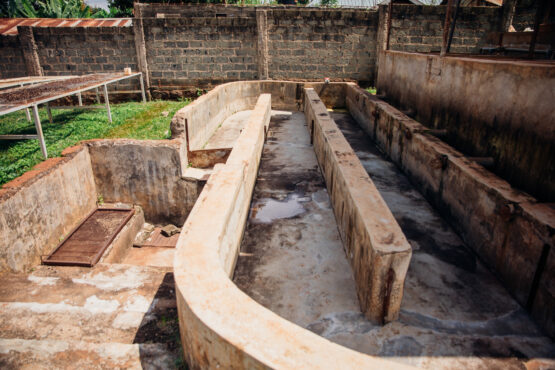
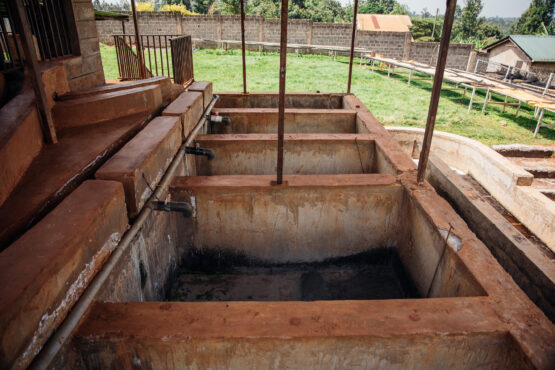
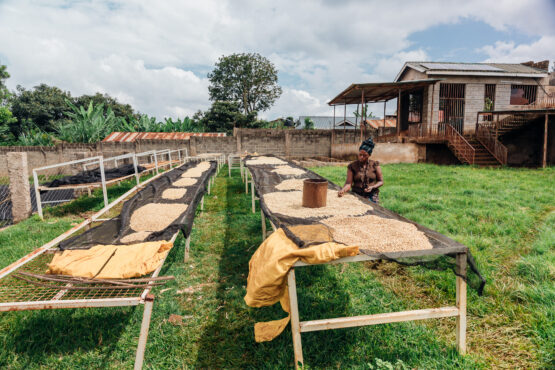
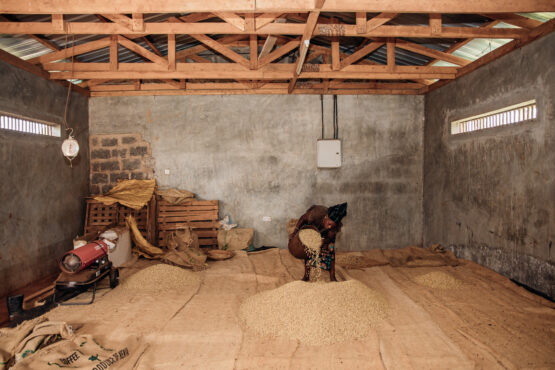
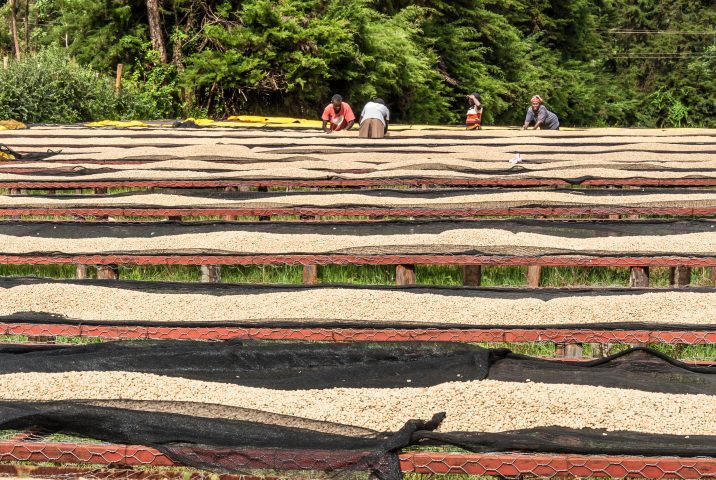
Using clean water from the nearby streams originating from the Aberdare mountain ranges, the parchment-covered coffee was then washed and graded in water channels, and left in soaking tanks for a further 12-24 hours. The following day, the parchment was rinsed and transferred to raised beds. During the drying stage, which takes up to three weeks, the parchment was turned constantly to ensure it dried evenly, until it reached an average of 10–11% humidity. The coffee was then stored at Waturi’s parchment warehouse until it was dry milled and prepared for export.