Meet Fessehaye Gebre
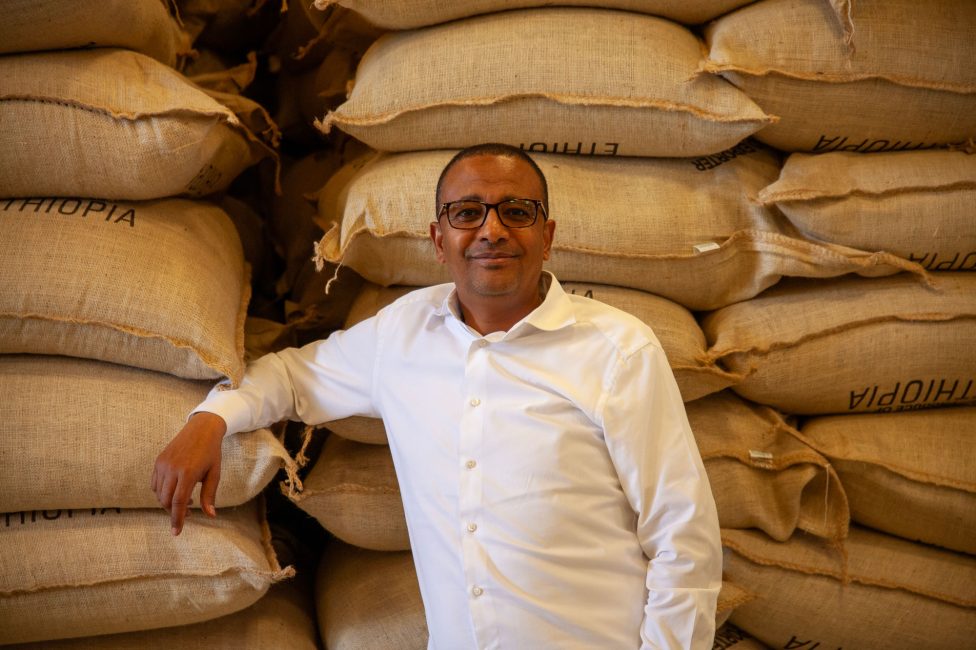
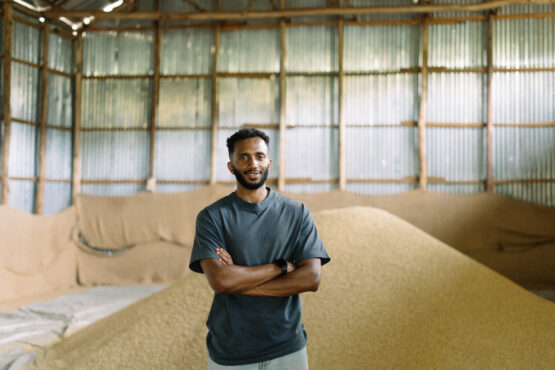
Whenever we visit and select coffees with Testi Specialty Coffee, we’re always fortunate to share a table with Fessehaye Gebre, a longtime member of Testi’s team with a deep knowledge of Ethiopia’s coffee regions and industry. We treasure our time with Testi and chats with Fish (as he’s been nicknamed) because his insights have enriched our understanding of the many nuances and complexities of the country’s coffee trade.
Published 28 May 2026
Earlier this month, we jumped on a call with Fish to learn more about his career in coffee and time at Testi. In the conversation, we spoke about how he developed his impressive cupping skills, Ethiopia’s heirloom varieties, his love for coffees from Guji, and why the future of Ethiopian coffee is young and bright — read on for the full interview.
MCM: How did you begin your career in coffee?
FG: [Before coffee] I worked in construction. After moving to Ethiopia everything was new to me in the country. A friend of mine helped me find a place to work at and fortunately it was in coffee. My first encounter with the coffee industry was working with an international importer. I was hired as an operations manager and then I became their local office manager in Ethiopia. After a few years, I joined Testi Specialty Coffee.
We’ve had the privilege of spending time with you on the cupping table and have greatly benefited from your expertise and incredible palate. When did you start tasting coffee?
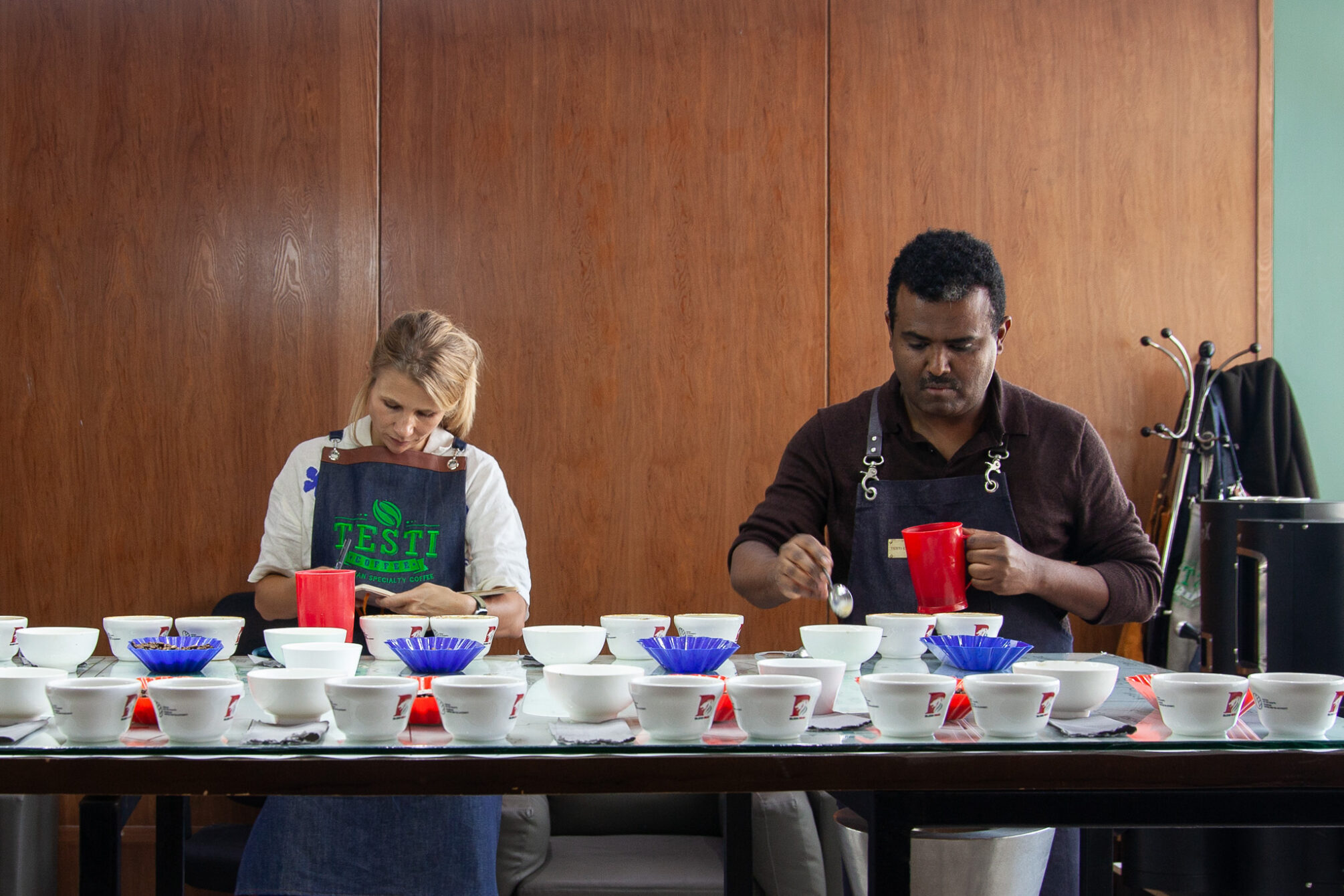
You know, when I started in coffee, one part of my job was to find good potential [coffee] in the country. Exporters go to different places where there is good potential for high standard coffee. So that was my job — but to do that I needed to know what coffee really tasted like. When you look for high standard coffee, you can’t simply rely on a cupper from the quality control department. So I decided to train myself, I was self-taught. Gradually, I started to learn by cupping with my colleagues in the office to start understanding everything in detail; the grading, the quality, the taste, everything. Over time, I started reading and taking courses in my own time, to try to experience everything.
At Testi, we work as a team when we assess quality; not only me, from the CEO to the person in charge of the quality control department. Everyone participates in deciding the quality. Specifically, to be in sales, you can’t simply rely 100% on the quality department. You have to know the coffees; you have to decide for yourself also. For example, when I get a request from a customer, instead of going and gathering information and then sending the feedback, it’s better to have every piece of data in the system — and you must have verified it yourself. So this is what we do, as a team and as individuals. We have this kind of culture here.
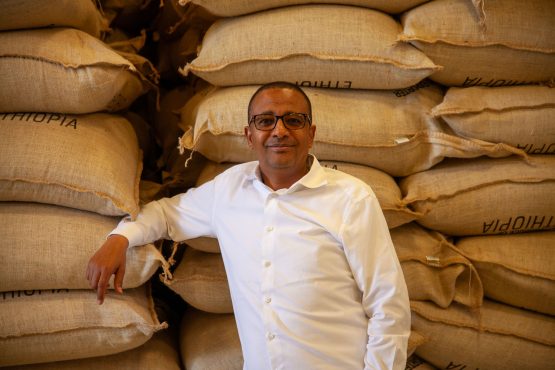
We’ve always been impressed by the company culture at Testi…
The team is a very good team! Especially the leadership; if you have good leadership, you always have good results. Even [Testi Specialty Coffee’s founder] Faysel himself, he works hard and he engages himself in the business a lot. Not just with cupping or with the decision-making, especially when we were quite small eight, nine, even ten years ago. Back then he even used to work in the documentation, when we didn’t have enough manpower. The work was growing, and sometimes he was even doing the typing and preparation of documents using an old typewriter. He is very acquainted with that, he’s not just focused on his main position within the company, he’s involved in everything — it could be by cupping, but it could also be in making important decisions.
Do you have a favourite washing station, or specific coffee-growing region?
For a long, long time, Guji has been my favourite region; mainly Shakisso woreda. Since joining Testi, my favourite sites are Jigesa and Hadeso. They should be very similar because they receive coffee from the same kebele, Dambi Uddo, but I tend to prefer Jigesa just a little bit more… but Hadeso is also awesome!
What is your favourite thing about coffees from Guji?
It could be everything, you know, but most importantly it’s their consistency. For many, many years, even when the crop may be affected by the weather or whatever, the quality is always very, very consistent. That’s why I always trust Guji coffees. Sometimes, even without cupping the coffee, when I see it, I feel the quality of that coffee. It’s very consistent, even for example this year when we had shortages of washed coffee, I never felt any issue with the quality in the Guji region; especially Jigesa. I’m always confident with that coffee.
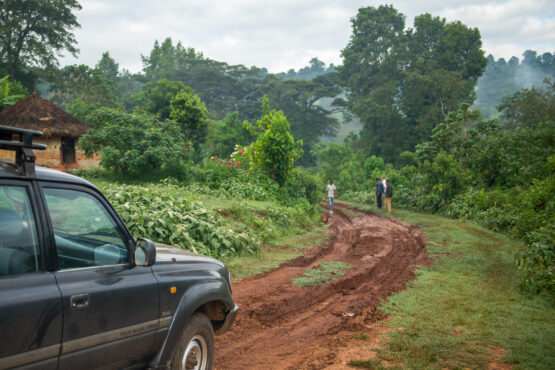
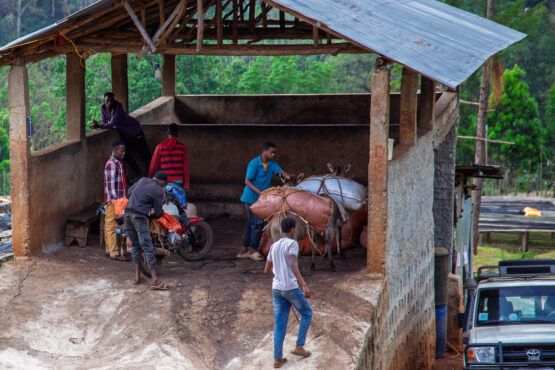
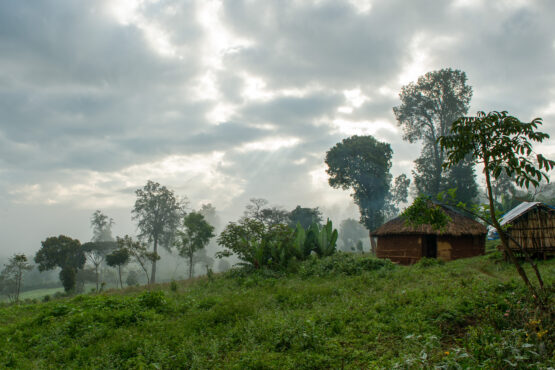
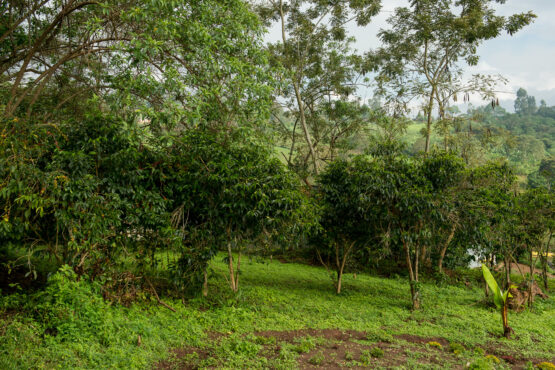
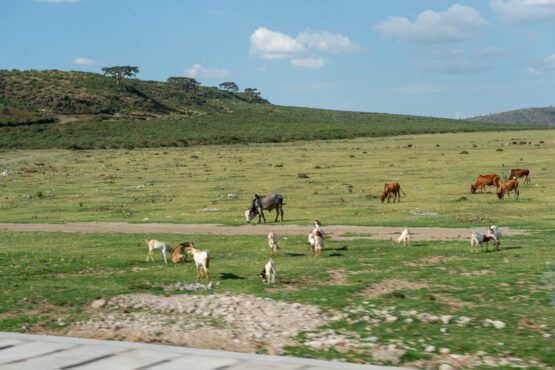
We’ve always heard most Ethiopian farmers farm organically; do you think that has something to do with the quality?
Yes. And traditionally, in Guji they also have great respect for the coffee tree, and any tree. You know, under the Oromo Gadaa system, they highly respect every tree and every fruit from any kind of tree, which also helps a lot in maintaining the quality of everything.
We often get asked about specific Ethiopian varieties — how traceable are these, really? Where do people acquire seedlings or trees?
Some people prepare seedlings from trees within their own area or farm. Others get seedlings from the Jimma Agricultural Research Centre (JARC), from the government or the Ministry of Agriculture. We do the same thing in Guji, Sidama and sometimes in Yirgacheffe because it helps farmers a lot. It’s a big investment to prepare special seedlings on your own, for your farm. So instead of them doing that, we help them. But most people get their seedlings from the Ministry of Agriculture.
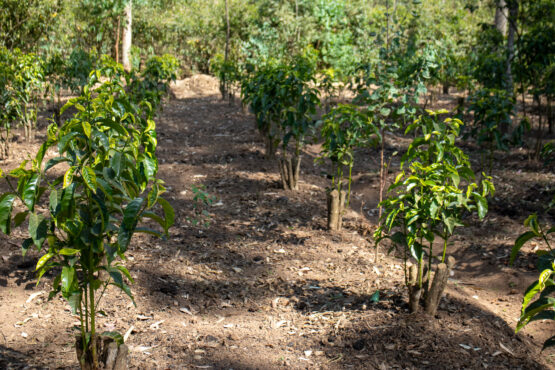
Kurume, Wolisho and Dega, for example, are indigenous varieties. These appear more in areas near Yirgacheffe, like Idido, Aricha, Gersi… some even further away near Gedeb, like in Banko Gotiti or Chelbesa — but we’re not only reliant on these varieties. We mainly work with varieties from the JARC, like 74110 and 74112. The most popular ones are very, very close to each other, specifically 74110 and 74112 are similar to Kurume. These two are highly recommended by specialists. You can find them in some parts of Sidama, but especially in the Yirgacheffe and Guji and even in western parts of Ethiopia.
It’s much easier [to get traceability] in Yirgacheffe. Most people keep a lot of information, farmers know when seedlings were planted, how old their trees are and where they got them from. In some farms, for example, you can even see the variety number tagged on the tree. In Sidama, it’s also quite well-known, because trees are much younger than in Yirgacheffe, so people in Sidama keep all the information too. It’s mostly varieties JARC 74148 and 74158 along with 74110 and 74112. It’s easy for people to have a handle of their varieties in Yirgacheffe and Sidama. In Guji, unless a farm is young and new plantation, it’s very hard to track varieties. That’s why normally we prefer to use the term ‘mixed heirloom.’
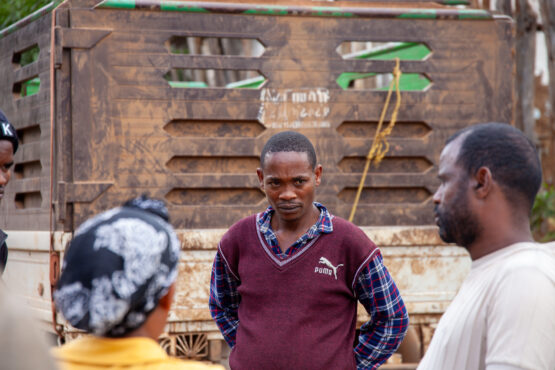
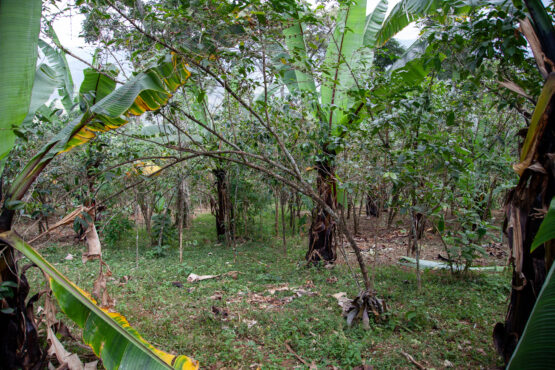
You’ve had a successful, ten-year career at Testi. How have you seen the industry change in your time at the company?
The changes are visible, there’s been big changes, you know. Of course, there has been a lot of change with quality because people are able to acquire better knowledge about coffee. You know, many people who have been in the coffee industry for a long time, they have been doing everything traditionally, but now they’re doing it with more knowledge. This is the main thing I have noticed, and it is great progress generally for the country.
[This knowledge] has brought a lot of improvements to quality, in the market we have seen a lot of growth… you now see more specialty exporters and even partners who can export their coffee directly. Within the last year, we’ve seen many farmers exporting directly, individually or as a group. They either hire experts or they work with their children. Nowadays, there are well-educated children in every farmer’s household, so we’ve seen a lot of progress in quality and in the market.
That’s so interesting! In many coffee-growing countries, there is a concern not enough young people are getting involved in coffee, which is challenging for farmers who aren’t sure who will take over their farms in the future. Why do you think this is not a problem in Ethiopia?
It’s because when [young people] have gone to the big city to study, for university or other purposes, they have gotten exposure and can see how the world works as it relates to their coffee communities. When they see progress and how the market has changed, they decide to look after their own family farming business.
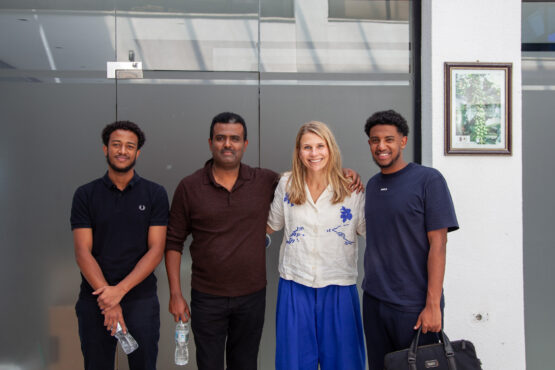
Here, [Mr. Faysel’s sons] Fahmi started working at the company three years ago and Testi joined last year, and even Yisak, Mr. Faysel’s nephew, came on board after the pandemic. You see a lot of progress whenever young people join [a business] because most of them have a different perspective. They see things differently. When they join you, they have their own contribution, and you can literally see the impact in the company. So yeah, of course even when they’re still learning, they can make a lot of difference.
Finally, what would you tell Australian coffee drinkers who love Testi coffees?
That they don’t need to worry about whether they will get the same coffee next year or not. We would like to guarantee that. When they drink [our] coffee, I hope they think about the commitment and consistency behind it. That coffee is guaranteed — they don’t need to worry about tomorrow, or to wonder whether they’re going to get that coffee again from you or not. We guarantee that they will get the same or better, even in the future. That is our commitment to you guys and to your customers as well.