Meet Laetitia Mukandahiro
This year, we’re thrilled to include a handful of vibrant, expressive naturally-processed coffees from supply partners Ikawa House in our Rwandan line up!
Ahead of their arrival, we jumped on a call with co-founder Laetitia Mukandahiro to learn more about her storied career, and how her and and business partner Uzziel Habimana have combined their years of experience to establish one of Rwanda’s most exciting coffee companies.
Published 28 Aug 2026
Since starting her coffee career in 2004, Laetitia Mukandahiro has become one of Rwanda’s most accomplished coffee professionals. Her and Uzziel’s Ikawa House is a Rwandan exporter and consultancy agency pushing the local industry forward while connecting quality-focused international buyers with some truly incredible Rwandan producers and offerings — which we’ll soon be sharing with our roasting partners.
MCM: Laetitia, you’ve worked in coffee your whole adult life. Did you also grow up in a coffee family?
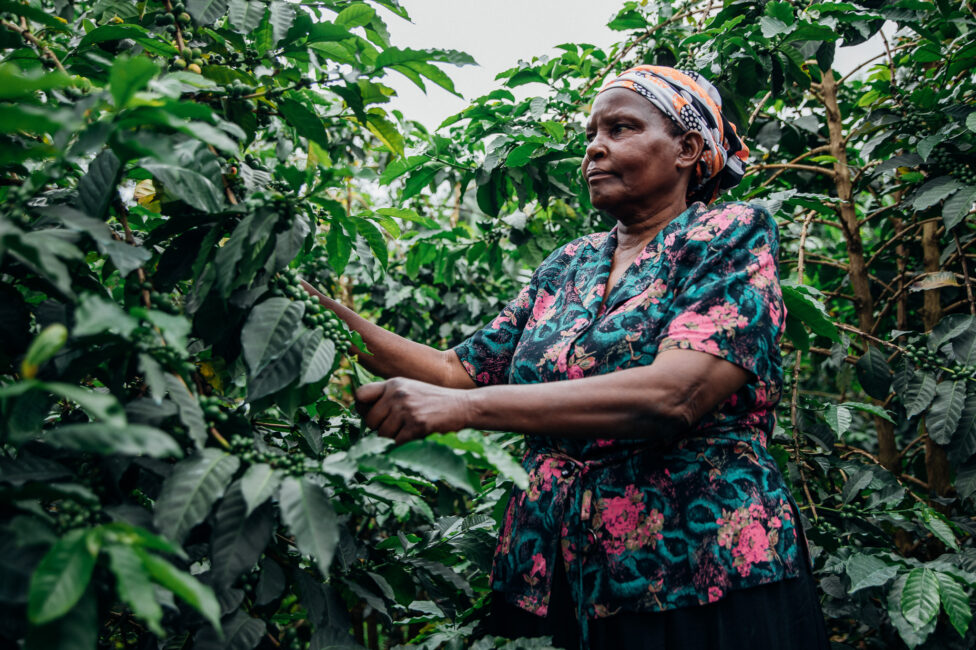
LM: Yeah, yeah. I was born and raised in a coffee family. My dad, even though he passed away two years ago, he used to be a coffee farmer. He owned a big plantation of 2,000 trees, so we grew up working in the farm, helping dad. From his coffee earnings, my dad used to pay our school and university fees, but [those funds] would also help feed my family because we are a family of six kids, which is a big number. He also used to be a primary school teacher; he had to have another income from coffee to support and take care of us.
For sure, I can say I didn’t choose coffee, but by surprise, coffee chose me.
Wow! He was a member of Dukunde Kawa, correct?
Dukunde Kawa is like my home village; it is where my story in the coffee industry began. Ruli is my hometown and my parents lived there; my family were also cooperative members. After I finished high school, the co-op had just started, and they asked members if they had children who were getting ready to go to university. Dukunde Kawa offered them the chance to have their kids work at the cooperative so that they could earn some pocket money while they were on vacation.
That’s how I joined the industry, but I was not expecting to stay there! My expectation was for it to be just for a short time before I started university. I thought, ‘Okay, it is only one year, let me join!’ For sure, I can say I didn’t choose coffee, but by surprise, coffee chose me.
Did that experience ignite your passion for coffee?
I went there the first day, second day… and it was tough. I even came back home and told my dad, ‘It is crazy! We’ve spent the whole day walking near the drying tables, and the smell is not good!’ But he encouraged me, telling me to please go just for one, two or even three months, earn some pocket money, then come back. To not give up. So, I said I’d do three months maximum, but then…
It’s been 22 years!
Yeah, yeah, at that time I was 19 years old. I was very young. That same week, a USAID project called SPREAD, together with Starbucks, came to the cooperative to train staff and launch the co-op, because [this style of] coffee processing was new in Rwanda at the time. Fully washed processing was very, very new.
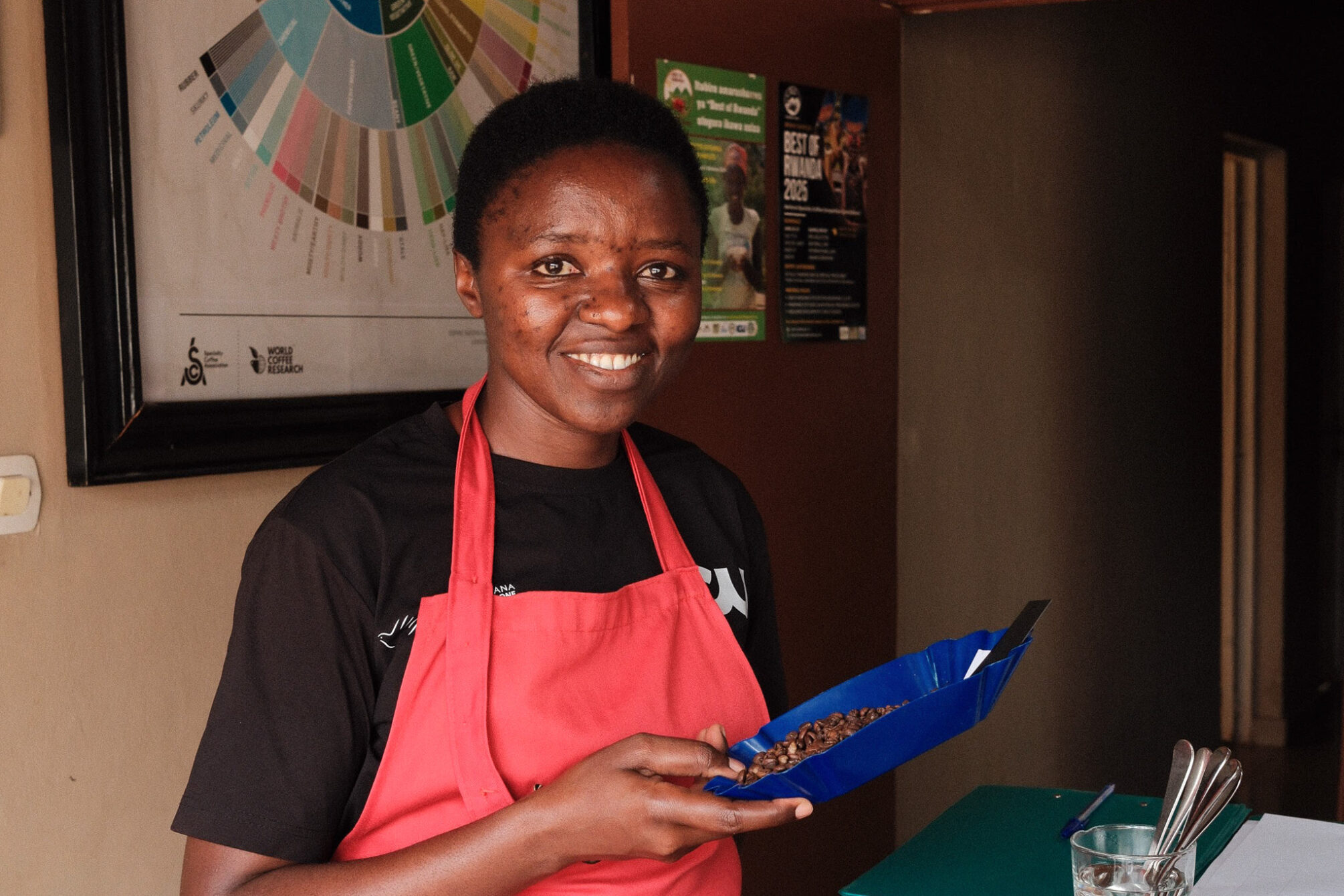
They trained us for the first day, then the second day, and then they told us there was another industry field they wanted to develop, coffee cupping. They asked if there were any young people who wanted to join and learn, and everyone said no. At the time, people had an anti-caffeine ideology, and believed coffee was not good for health — especially for women. Me, as I was 19 years old, I thought, ‘Okay, I’m not losing anything. I don’t have that many responsibilities around me. Maybe let me go and try,’ and I raised my hand.
We got the chance to get training with amazing coffee professionals from all over the world. They came from famous companies like Intelligentsia and Union Coffee, and we did a six-weeks intensive together and then had to pass a cupping exam. We were a group of 28 people in total and I was number one of the team.
And THAT’S when you realised where you actually belonged in coffee…
At first, I was running [from working in processing] because I didn’t like the smell of coffee cherries, or the coffee pulp. At the end of the day, you smell your hands, your arms and it’s really not good. But when I started cupping, yeah, I was passionate about that.
From that time, every coffee company, big and small, has wanted to hire me! It caused Dukunde Kawa to double my salary. Some people were offering me more, but I was loyal to my cooperative because they were the first to give me a chance.
After two years, I had to go to university. I studied Economics at the National University. On the same day I was resigning from my post [at Dukunde Kawa], I got a call from the Managing Director of exporter RWASHOSCCO offering me the Head of Quality Control position. So, I shifted my university classes from morning to evening and would work at RWASHOSCCO before going to university.
Uzziel and I sat down and asked ourselves, ‘If everyone can’t wait to employ us, it must be because they can see potential in us. Why can’t we sit and draw up our own thing and see if we can make our potential work?’
You’ve spent your career advancing Rwanda’s specialty coffee industry, meeting and working with business partner Uzziel along the way, and also judging competitions like Rwanda’s Cup of Excellence and Best of Harvest. How did Ikawa House come to be?
In 2020, with Covid, the private coffee company I was at closed over financial difficulties. I was working with Uzziel; I was the Quality Manager and he was the Production Manager. We lost our jobs at the same time, and every company here wanted to hire us, even big ones like Sucafina and Dormans. So we sat down and asked ourselves, ‘If everyone can’t wait to employ us, it must be because they can see potential in us. Why can’t we sit and draw up our own thing and see if we can make our potential work?’ So we told all the big companies, that after 15 years of working for others, we wanted two to three to think about ourselves and try our own thing.
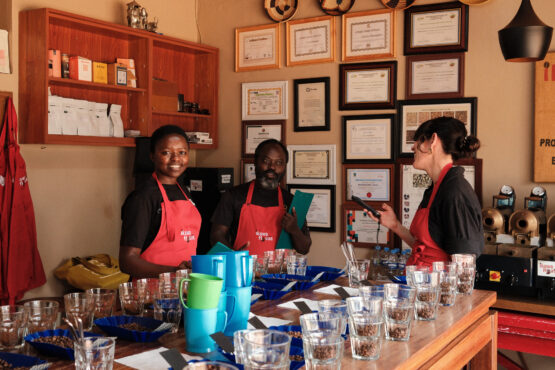
The first idea we had was to start teaching people about coffee; how to grow it, how to process, how to cup, and how to roast. You know, in our mind, it was just that. Uzziel is very good at processing, so he told me, ‘I will be at a coffee washing station teaching and you will stay in the lab teaching people about cupping.’ We started like that for a month.
Uzziel is very skilled at processing, yes! When we first cupped your naturals and honeys at the office, we were amazed by how complex and transparent they were. How was that first harvest?
When the people we trained went back to their own washing stations, they processed coffee in the way they learned from us. When they sent samples to us, the quality was crazy! It was amazing. They told us, ‘Okay, you have trained our staff. Now we can imagine producing a coffee with a 90 score, when we used to produce 83, 84, or maximum 85-point lots. Do you think we’re going to sell this coffee locally? Come on, at least help us get these high quality lots to [international] markets.’ And then our second idea came.
I wrote emails to friends overseas telling them Uzziel and I had a very, very small company called Ikawa House that was trying new things. We sent different batches to France, America, the UK, and many said, ‘Wow! Are you sure you can get this quality? Are you sure you can do the export on your own as Ikawa House?’ I explained that yes, I could, because I used to do it for other companies, so why not do it for my own?
At first, everyone was afraid to commit to much volume. So I said, ‘Okay, let me give you 50 bags. If we lose it, that’s okay.’ But everyone was afraid to be the first person to work with us. And I can understand that it is a risk, because export logistics requires a lot of things. That first year, we had the chance to sell one container and a half, and we tried our best to get the best coffee. When we shipped them, they even arrived earlier than expected. Once there, buyers told me, ‘Laetitia this is not possible. I was expecting maybe 80, 79-point coffee, but these have landed at 88 points!’ We got the same email, same comments and same feedback from every client. The next year we moved three containers; on our third year, we moved six; on our fourth, we moved ten and now we are exporting between 12 and 15.
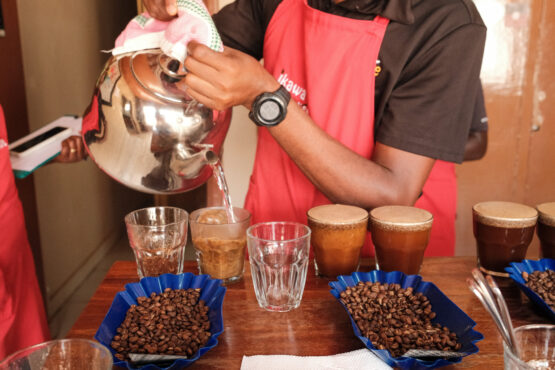
How has Ikawa House evolved since then?
Now, we have also established our own farm, but at the beginning, it was for education purposes. We bought a plantation in the Western province on very high elevation, around 2,100m above sea level. We started with 4,000 trees and when cupping the samples, everyone went super crazy for them. Buyers told us, ‘Come on, guys. Can you please increase volumes? We are ready to buy this.’ So now we have reached 18,000 trees. We’re thinking that by next year, we’re going to be planted up to 25,000 trees.
The coffee industry is not a straight line; it has ups and downs. It also depends on climate change, staff, productivity, competition… That’s why we’re always vigilant, especially with quality.
That’s incredible! So, Ikawa House then operates with coffees from your own farms, and also from quality-focused producers?
Yes, yes. Normally our business is not to sell large volumes. We sell small volumes, but of excellent quality. That’s why, for Ikawa House’s [supply] partners, we sign contracts every year. The condition for each producer to work with us is that they accept us getting involved in the processing. Then, every year we visit them to refresh the practices and to experiment with new ones.
We are trying our best to be loyal to both sides, the market and also producers. We make sure that our producer partners get a very good price, so they are happy working with us. Another thing that we’re not afraid of, is that we always mention where our coffee comes from. When the customer comes, they can go visit those producers. And that’s why the producers that work with us are always happy. We don’t hide their names.
In the more than 20 years since you started in the coffee industry, how much have you seen things change?
I can say it has its ups and downs. The path is not straight. Some people, yes, may stay consistent; others may rise and then in two years disappear. That’s why, we stay in touch with our producing partners every year. The coffee industry is not a straight line; it has ups and downs. It also depends on climate change, staff, productivity, competition… That’s why we’re always vigilant, especially with quality.
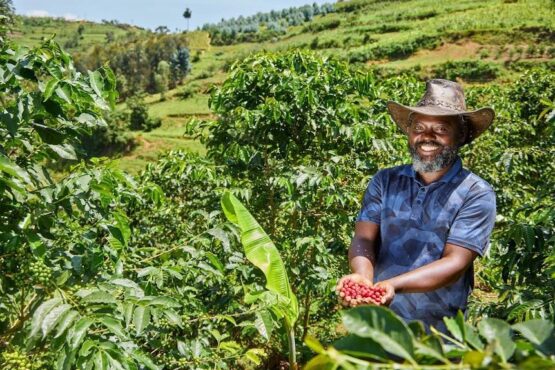
One of the things we have noticed when visiting Rwanda in recent years, is how much internal consumption has grown. We’ve seen many great coffee shops and roasteries opening. Does Ikawa House engage with the local market much?
The local market is increasing super, super crazily. In the past 15 years, we used to consume only one percent. After the pandemic, local consumption increased to three percent, and now we are close to reaching seven. At the office, we have initiated a roasting brand — our purpose with it has been to put high-quality coffee out there, locally, to see if people will drink it.
At first, every week, we would roast a new batch. We thought it would only be for offices, embassies, and people who cared about quality. But in one month, we were surprised to sell a full tonne, 1,000kg. Restaurants and hotels started asking for 50kg, because what we offered was totally different from what they found in the supermarket. And once you have opened this opportunity, you have the duty to always provide it.
In December, you’re going to ask me if we have any stock remaining, and I’ll say, ‘No. Sorry. Next year, see you later!’
How do you think this growth within Rwanda is benefiting the country?
Producers benefit from this a lot. When you have a big demand, the price also increases. They are no longer selling their coffee internationally at a cheap price because they know that locally they have someone who will offer them more money. For producers, this is very good news, especially at the end of the season; now they are happy from January to December.
As a final question, what would you say to our roasting partners who will enjoy coffee from Ikawa House soon?
Tell them to get ready because there is a bomb coming from Rwanda! Tell them they’re going to receive coffee from Ruronzi farm that will be holding the Rwandan flag. Tell them the Rwanda flag is coming! In December, you’re going to ask me if we have any stock remaining, and I’ll say, ‘No. Sorry. Next year, see you later!’