Ruronzi Natural
Purple grape, cherry liqueur and brown sugar. Winey and complex with grilled pineapple sweetness.
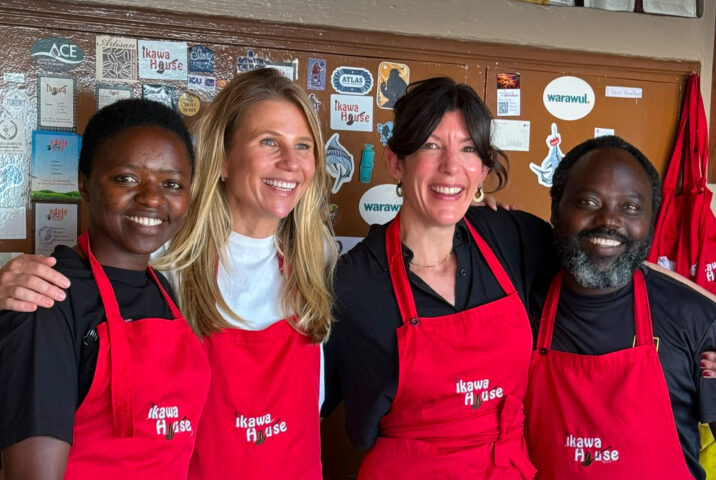
This special microlot was produced at Ikawa House‘s Ruronzi farm and washing station in Rwanda’s Western Province. Ikawa House was founded by Laetitia Mukandahiro and Uzziel Habimana, two of Rwanda’s most experienced coffee professionals. While this is our first year sourcing their coffees, we’d known Laetitia and Uzziel for years before they founded the company. The pair were some of the first young professionals to be trained as cuppers back in 2004, when the country’s specialty coffee industry was being established.
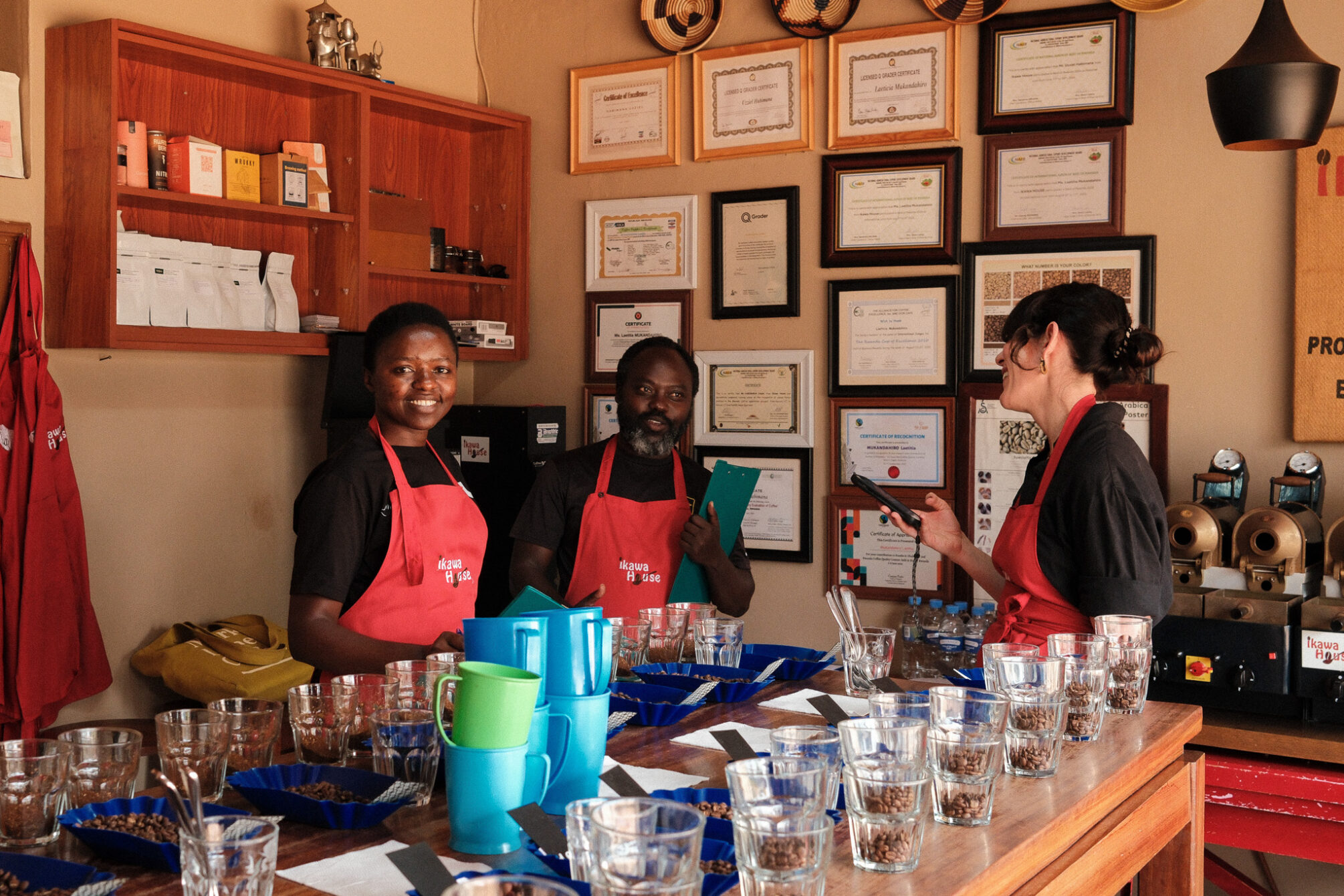
Because both Laetitia and Uzziel have worked at various local and international traders and exporters, over the last decade we’ve had the privilege of sharing cupping tables together and having conversations about the country’s coffee industry and its future — though no cupping session has been as exciting as the one we shared with them in 2026. Through the transparent, expressive natural and anaerobic natural lots they source and produce, Ikawa House are creating differentiated lots within Rwanda’s already established infrastructure, adding value to the crop while fulfilling the needs of a changing and growing international market. Having developed a deep trust in and admiration for them over more than a decade of knowing each other, we were delighted to taste what they had been working on and to now share it with our roasting community in Australia.
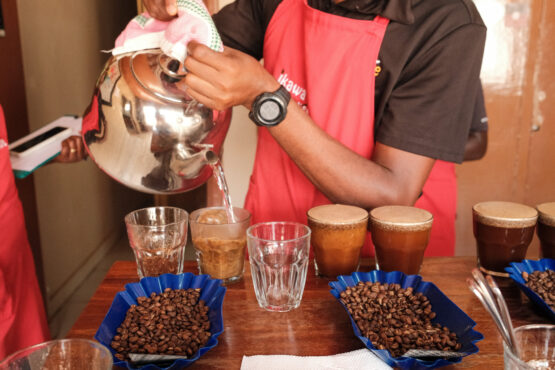
Given Laetitia and Uzziel’s ample experience, it’s no surprise the exporting company quickly began achieving its primary goal of elevating the quality of the country’s coffee, ensuring their producing partners can earn higher prices for their crop as a result. Initially, Ikawa House was a consulting agency that partnered with Rwandan producers who wanted to better their cup scores to earn higher prices in the international market. While Uzziel focused on teaching improved processing practices (including experimental anaerobic and natural lots), Laetitia taught producers how these techniques affected quality on the cupping table.
Following their very successful first harvest in operation, Laetitia and Uzziel decided to plant their own farm and build a wet mill in Rwanda’s Western Province, to use as a model plot and to train more producers to improve the quality of their coffee through processing. Initially, Ruronzi farm was planted with 4,000 coffee trees, but the quality of the coffees processed here — and demand for them — was so high, that production has been expanded year-on-year since it was first established due to its demand. Today, the farm includes 18,000 trees (with the goal of reaching 25,000), mostly of the Red Bourbon variety, but also including others like Mibirizi, Batian and Gesha.
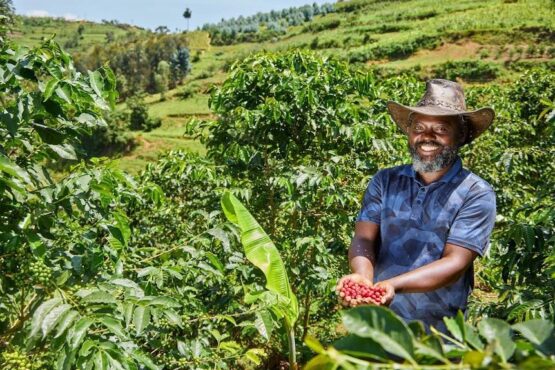
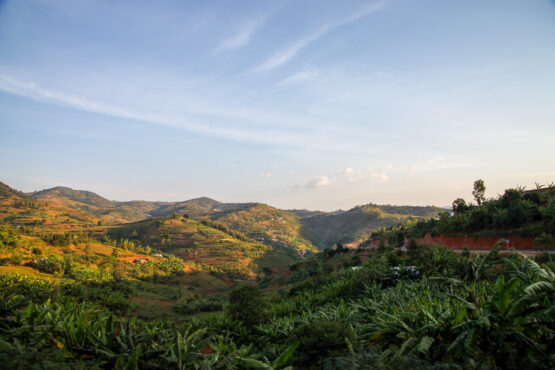
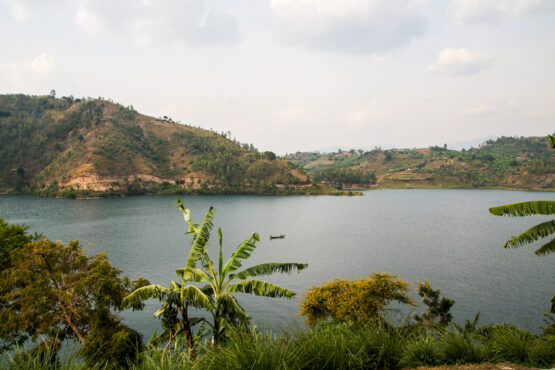
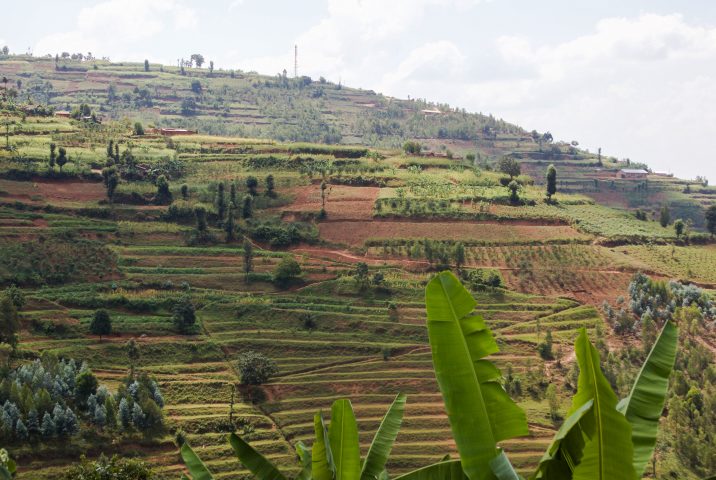
For Uzziel, working at Ruronzi is a dream come true. A self-confessed outdoor person, Uzziel’s face lights up when he talks about the farm because he “really likes doing field work […] and loves spending time at Ruronzi.” Located in the country’s fertile Western Province, Uzziel explained Ruronzi is particularly special because of its high elevation and close proximity to both Lake Kivu and the Nyungwe forest. While the lake does have an incidence, Uzziel explained Ruronzi’s “climate tends to be more like the forest’s than the lake’s — it’s very constant and never too hot.” This stability doesn’t only help in cherry maturation, but it also helps in “fermentation and flavour generation” when processing and drying coffee.
NATURAL PROCESSING AT RURONZI
At Ruronzi, Uzziel spearheads the processing, which has become a specialty for him. Having received training from Costa Rican and Colombian producers, along with using “archaic knowledge” gained from his grandparents, who he used to see fermenting milk and fruits (and making sorghum beer), Uzziel has developed techniques that are tailored to Rwanda’s climate and varieties. He is passionate about clean coffees, as he told us he “doesn’t let his coffee get funky. The secret for this is in the drying.”
- Cherries are delivered to the washing station on the same day as they are picked and are inspected and sorted to ensure only the very ripest cherries are processed.
- After sorting, coffee cherries are laid out to dry in the sun for between 35-45 days, depending on weather conditions.
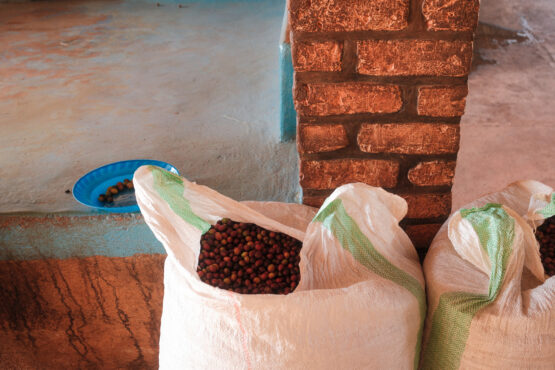
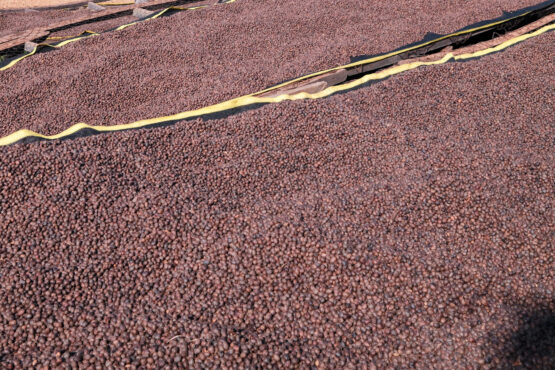
- Initially, Uzziel prefers for the fresh coffee cherries to dry directly in the sun for around a week, a step that is key in ensuring no mould or fungus develops as the cherries’ moisture stabilises.
- Once Uzziel is certain cherries have stabilised, he reduces the sun exposure to only four hours a day to control the process more carefully and avoid over-fermented flavours to develop.
- As coffee dries, it is sorted and turned by hand and protected from rain and the midday sun by covers, ensuring both even drying and the removal of any damaged or defective beans. This added work also ensures the coffee dries evenly and consistently.
- After reaching their target humidity readings, the coffee is prepared for export.
WHY WE LOVE IT
This is our first year working with Ikawa House and coffees from their Ruronzi farm — we’re thrilled to introduce their offerings to our roasting partners. This lot jumped out at us on the cupping table, thanks to winey and complex flavour profile and notes of purple grape, cherry liqueur and grilled pineapple.